


Additional Report Ordered in Fazilet Apartment Case After It Became a Grave for 19 People
Translated from Turkish and summarized by DistantNews. Read the original for the full story.
At a glance
News
Named sources
Context piece
- A court in Kahramanmaraş, Turkey, is continuing the trial related to the collapse of the Fazilet Apartment building during the February 6 earthquake.
- The trial involves the building's contractor, structural project designer, and supervisors, as well as the operators of a bakery on the ground floor.
- The court decided to merge this case with a separate trial involving 10 public officials and send the file for an additional expert report to determine the impact of building renovations on its collapse.
The legal proceedings continue in Kahramanmaraş concerning the tragic collapse of the Fazilet Apartment building, a structure that became a tomb for 19 people following the devastating earthquake on February 6. The trial, held at the 4th High Criminal Court, focuses on charges of 'causing death and injury by conscious negligence,' with potential sentences of up to 22 years and 6 months for the defendants.
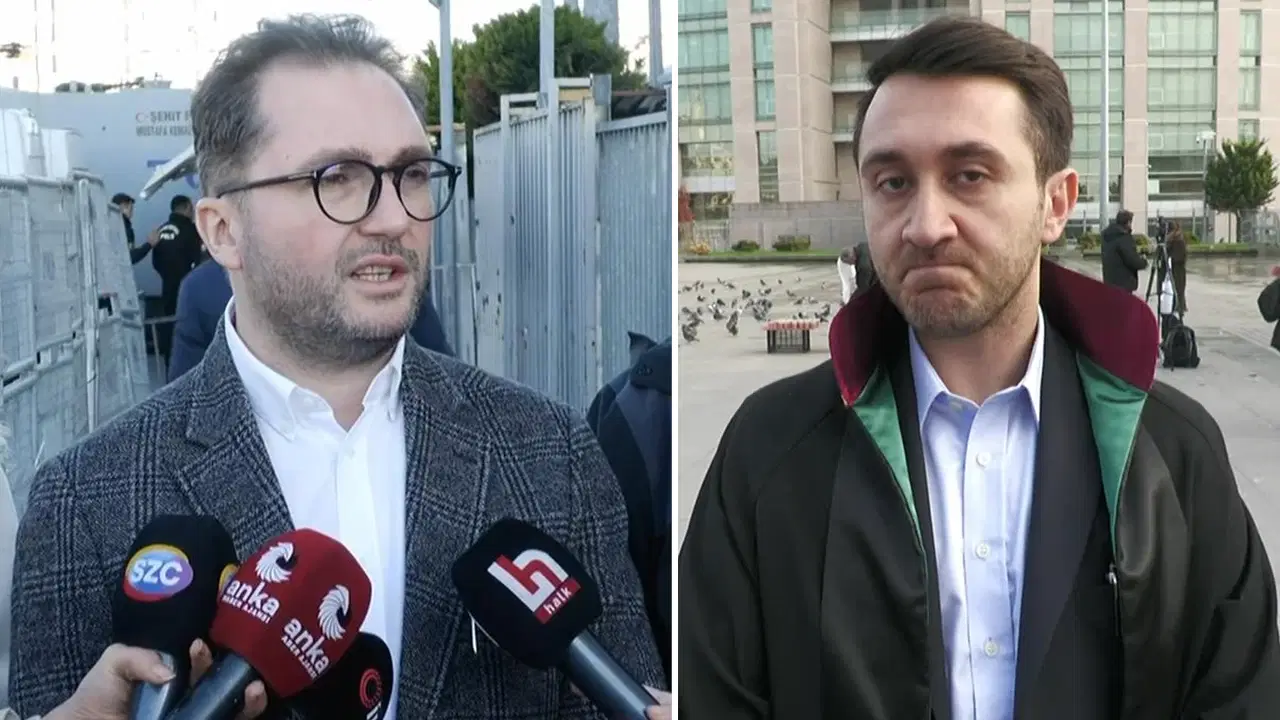
The defendants include Mahmut Oktay Hartavi, the building's contractor, structural project designer, and technical supervisor, who is currently on trial without detention. Also facing charges are Akın Yağcı and his wife Ferihan Yağcı, the operators of the Akın Ekmek Factory located on the ground floor. While Hartavi appeared in court and reiterated his plea for acquittal, the Yağcı couple was not present at this hearing.
In a significant development, the court decided to merge the current case with another trial involving 10 public officials accused of similar negligence. Furthermore, the court has ordered the case file to be sent back to Pamukkale University for an additional expert report. This report is crucial for evaluating the specific impact of renovations made to the ground-floor business premises, including the merging of units and the removal of internal walls, on the building's structural integrity and subsequent collapse. The court aims to precisely determine each defendant's responsibility in relation to these modifications.
From the perspective of Cumhuriyet newspaper, this trial underscores the critical need for accountability in construction and urban planning, especially in earthquake-prone regions like Turkey. While the legal process unfolds, the focus on an additional expert report highlights the complexities of assigning blame, particularly when building modifications may have contributed to the disaster. The merging of cases suggests a broader effort to consolidate related legal actions and ensure a comprehensive examination of all parties potentially responsible, including public officials overseeing building safety. This case is a stark reminder of the human cost of negligence and the importance of rigorous oversight in ensuring building safety, a sentiment deeply felt across Turkey following the catastrophic earthquakes.
I have nothing to add to my previous statements.
About this summary
Originally published by Cumhuriyet in Turkish. Translated, summarized, and contextualized automatically by DistantNews, with a note on how the source frames the story. Not individually reviewed before publishing. How this works.
More Stories

From Our Blog

News in Translation: What Gets Lost, and How We Keep the Framing

Diaspora Media: How Communities Abroad Follow Home

Traveling Where the Press Is Not Free: How to Read the News There

The Digital Nomad's Guide to Local News

The Same Story, Different Countries: How Coverage Changes at the Border
