


Advocates warn of escalating adolescent home violence after Perth alleged murder
Summarized and contextualized by DistantNews.
At a glance
News
Sources not specified
Context piece
- Family violence advocates are calling for increased support following a reported rise in adolescent violence against parents.
- A 16-year-old boy has been charged with murdering his mother and attempting to kill his sister in Perth.
- Experts cite complex factors including mental health and emotional regulation difficulties, urging early intervention.
Family violence advocates are sounding the alarm over a concerning escalation in adolescent violence within homes, urging for greater specialist support to address the trend. The call comes in the wake of a tragic incident in Perth where a 16-year-old boy faces charges of murdering his mother and attempting to kill his sister.
We know in Western Australia and across Australia and probably across the world, we're seeing a significant escalation of family violence reports to police across the board.
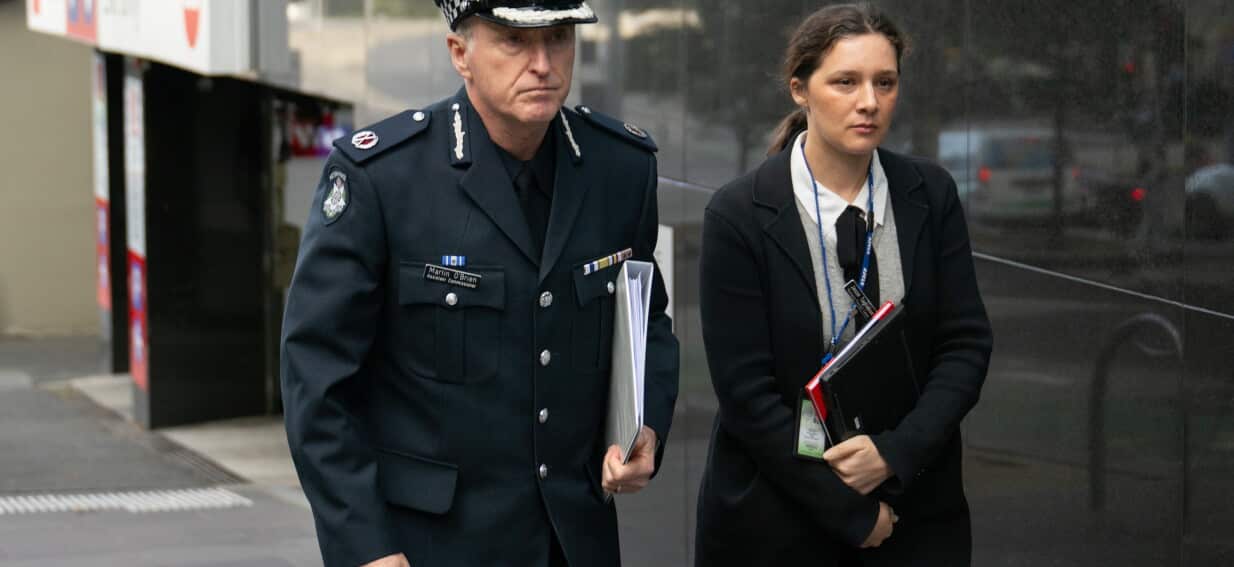
WA Police Commissioner Col Blanch noted a significant increase in family violence reports across Western Australia and nationally, many involving children exhibiting violence towards their parents. "We know in Western Australia and across Australia and probably across the world, we're seeing a significant escalation of family violence reports to police across the board," he stated. While specific data from WA Police was not readily available, organizations like the Domestic Abuse Resource and Training Group (DART) report a surge in demand for training related to adolescent violence in the home over the past year.
Organisations are coming to us, seeking adolescent violence in the home training for their practitioners on the ground, who are reporting that there's more abusive behaviours demonstrated inside the home. This is not general teenage conflict. There's cohesive control, there are family members that are in fear or are shifting behaviours because they're worried about how a young person is going to respond.
Jolene Ellat, chief executive of DART, described an increase in "abusive behaviours demonstrated inside the home," distinguishing it from general teenage conflict. She noted instances of "cohesive control" and family members altering their behavior out of fear of a young person's reaction. Ellat stressed that adolescent violence stems from a complex interplay of factors, including mental health challenges, neurodevelopmental differences, substance use, and difficulties with emotional regulation, though these issues do not solely cause violence.
Mental health challenges, neurodevelopmental differences, substance use or difficulties with emotional regulation can also contribute, although these do not cause violence on their own. What's important to note is not labelling young people as perpetrators of violence, but really noticing emerging abusive behaviours taking place early in order to interrupt that trajectory.
Advocates emphasize the importance of identifying and interrupting emerging abusive behaviors early, rather than labeling young people as perpetrators. WA cabinet minister Amber-Jade Sanderson echoed the sentiment that preventing family and domestic violence is a collective responsibility, urging community leaders to "keep the temperature down." Both government officials and police reiterate that family and domestic violence remains a top priority, with ongoing efforts to protect victims and hold offenders accountable.
We are doing everything we can as a government, but ... this is a broader community issue that everyone needs to take up and address.
DistantNews Editorial
Originally published by ABC Australia. Summarized and contextualized by our editorial team with added local perspective. Read our editorial standards.
More Stories


From Our Blog

What Gets Lost (and Found) When News Is Translated

The Critical Role of Diaspora Media in Global News

What Travellers Should Know About Countries with Restricted Press

A Digital Nomad's Guide to Following Local News

How the Same Story Looks Different in Different Countries
