

AfD Leader Calls for End to Russian Energy Boycott to Revive German Economy
Translated from Turkish, summarized and contextualized by DistantNews.
At a glance
News
Named sources
Context piece
- Alice Weidel, leader of Germany's AfD party, called for an end to the Russian energy boycott to help Germany overcome its economic stagnation.
- She argued that cheap Russian energy was key to the success of 'Made in Germany' products and that abandoning it has harmed German industry and led to dependency on more expensive U.S. energy.
- Weidel also expressed confidence in the AfD's electoral prospects in upcoming state elections, viewing them as crucial for the party's national ambitions.
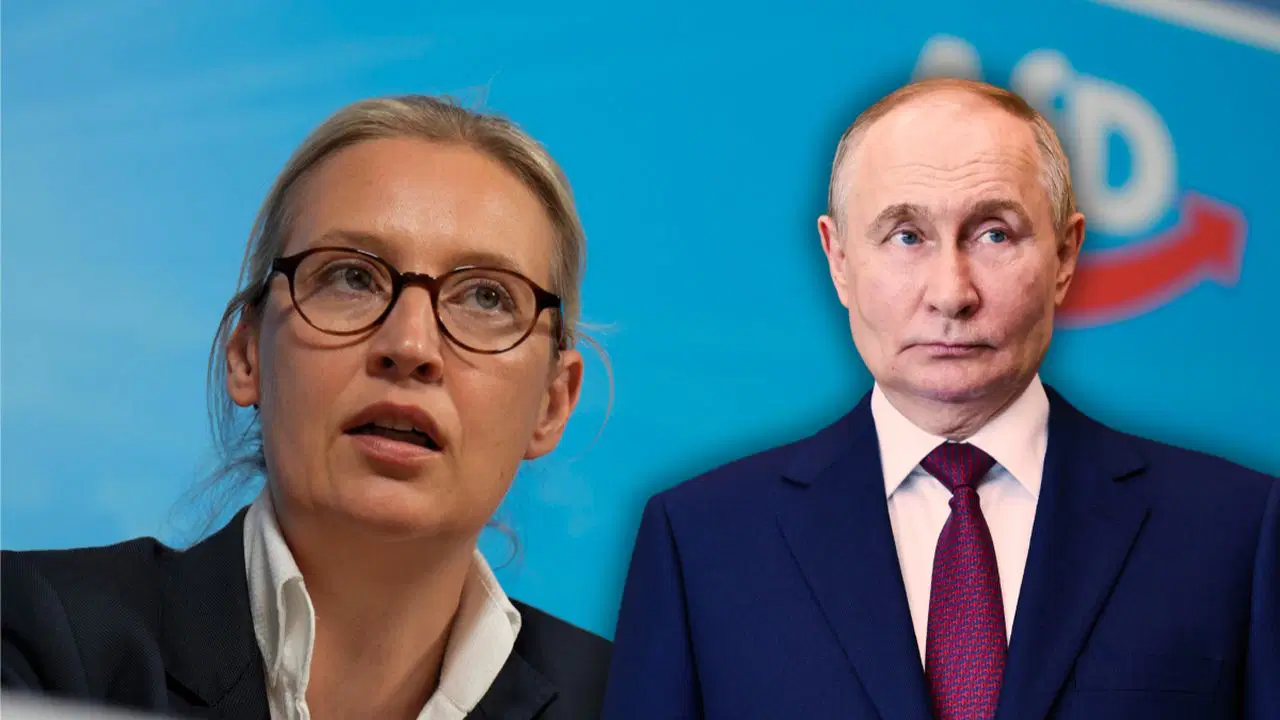
Alice Weidel, co-leader of Germany's far-right Alternative for Germany (AfD) party, has advocated for lifting the boycott on Russian energy imports, asserting it is essential for Germany to escape its economic downturn. Weidel argued that affordable energy from Russia was a cornerstone of the 'Made in Germany' success story and that its absence has significantly damaged German industry, leading to job losses and increased reliance on costlier energy sources from the United States.
"Cheap energy from Russia was the secret to the success of 'Made in Germany.' We must bring this back," Weidel stated in an interview with Reuters. She contended that Germany has been set back years by foregoing Russian energy, resulting in the loss of hundreds of thousands of jobs. The AfD leader believes that Germany has become dependent on the U.S. for energy, which comes at a higher price.
Weidel expressed optimism about the AfD's performance in the upcoming state elections in Saxony-Anhalt and Mecklenburg-Vorpommern. She described these elections as "decisive turning points" for the party's ultimate goal of achieving federal power. Weidel suggested that if the AfD secures victories in these eastern German states, it could lead to more confrontational interactions with the federal government in Berlin regarding migration policies and the financial burdens on local authorities.
Her remarks have reignited debates within Germany about its support for Ukraine and its overall policy toward Russia. While the current German government backs Ukraine, a segment of the electorate, particularly in the eastern states, holds more favorable views toward Russia and is critical of perceived U.S. influence over Germany. Prior to Russia's full-scale invasion of Ukraine in 2022, Germany relied heavily on Russian energy, importing over a third of its crude oil and more than half of its natural gas from Russia. The sabotage of the Nord Stream pipeline in September 2022 further intensified the pressure on German industry.
DistantNews Editorial
Originally published by Cumhuriyet in Turkish. Translated, summarized, and contextualized by our editorial team with added local perspective. Read our editorial standards.
More Stories

From Our Blog

What Gets Lost (and Found) When News Is Translated

The Critical Role of Diaspora Media in Global News

What Travellers Should Know About Countries with Restricted Press

A Digital Nomad's Guide to Following Local News

How the Same Story Looks Different in Different Countries
