


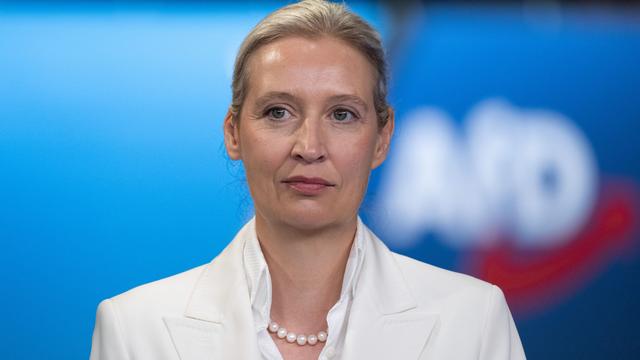
AfD leader Weidel distances herself from party's traditional family model
Translated from German, summarized and contextualized by DistantNews.
At a glance
News
Named sources
New plan
- AfD leader Alice Weidel distanced herself from a traditional family model described in the party's program in Saxony-Anhalt.
- Weidel stated that her own family life, raising two children with her female partner, represents a different reality.
- She defended the party's right to advocate for a traditional family as a societal ideal, while asserting that same-sex relationships are equally valid.
Alice Weidel, the co-leader of Germany's far-right Alternative for Germany (AfD) party, has openly criticized a statement in the party's program for the state of Saxony-Anhalt that defines an "intact family" as consisting of a mother, father, and children.
They can write what they want. I live something different.
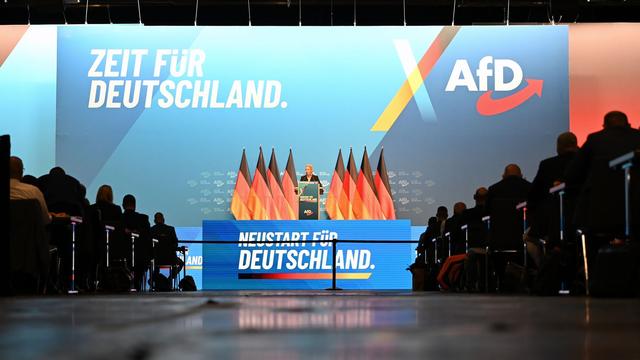
Weidel, who lives with her female partner and raises their two children, told RTL/ntv that she is not provoked by such statements. "They can write what they want. I live something different," she said on the sidelines of the federal party congress in Erfurt.
She emphasized that her children are receiving the best upbringing and have the best conditions. "We now live in a completely different reality. So, same-sex relationships must be treated equally," Weidel stated, defending her personal life while indirectly challenging the party's official stance.
My children have the best upbringing, the best conditions. We now live in a completely different reality. So, same-sex relationships must be treated equally.
Despite her personal stance, Weidel also defended the party's broader orientation, suggesting that as a politician, advocating for a traditional family as a societal ideal is not a contradiction. This highlights a tension within the AfD between its official platform and the personal lives of its prominent members.
If I, as a politician, talk about a societal ideal, and that is the traditional family, then I can advocate for it and it is not a contradiction.
DistantNews Editorial
Originally published by Die Zeit in German. Translated, summarized, and contextualized by our editorial team with added local perspective. Read our editorial standards.
More Stories

From Our Blog

What Gets Lost (and Found) When News Is Translated

How the Same Story Looks Different in Different Countries

The Critical Role of Diaspora Media in Global News

What Travellers Should Know About Countries with Restricted Press

A Digital Nomad's Guide to Following Local News
