



AfD’s advance in Germany and the AUR trend
Translated from Romanian and summarized by DistantNews. Read the original for the full story.
At a glance
Analysis
Sources not specified
Context piece
- AfD won nearly 44% in Saxony-Anhalt, more than twice the Christian Democrats’ share, while Romania’s AUR is polling at 36% to 38% in the article’s comparison.
- The results could force German parties to seek a difficult coalition or minority government while intensifying debate over political isolation of AfD.
- The article argues that rising nationalism, populism and extremism pose particular risks in Eastern Europe, where support for authoritarian systems remains significant.
The AfD’s sweeping victory in Saxony-Anhalt has pushed Germany’s right-wing political shift into sharper focus. According to partial results cited in the article, the party won almost 44% of the vote, more than twice the Christian Democrats’ result of under 18%. It was described as the strongest performance by a party considered partly far-right since the Second World War.
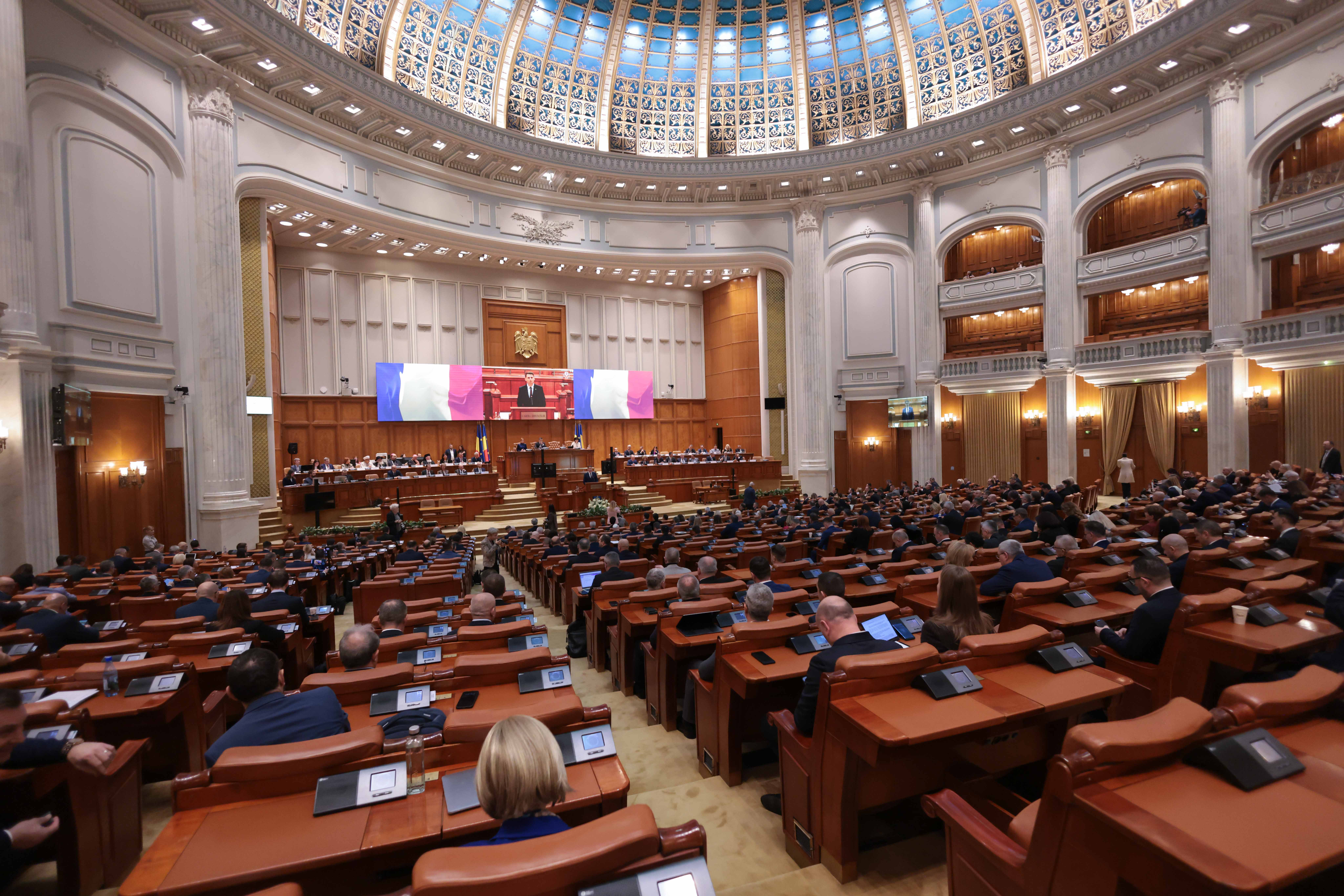
The article compares that advance with Romania, where AUR stands at between 36% and 38%, roughly twice the support for the Social Democratic Party. It remains unclear whether AUR can preserve that level amid divisions between its internal factions. The party already holds 18% of seats in Parliament, making it the second-largest parliamentary force, but it has not formed a systematic alliance with the nationalist-populist SOS and POT parties. Members of those groups have instead moved toward PSD and PNL.
Together, the three extremist parties won almost one-third of parliamentary seats in the 2024 election, the article says. Their strength has contributed to Romania’s prolonged political crisis, as parties viewed as democratic have tried to isolate AUR and prevent it from entering government.
Saxony-Anhalt now faces difficult choices. AfD’s near-majority result could require a broad CDU, Left Party, SPD and Greens coalition, or an equally complicated minority government. Either option could fuel anger among extremist voters, who accuse democratic parties of forming a cartel and disregarding the popular will. The article says a debate over banning AfD may continue in theory, but removing a party with nearly 44% support from the ballot would damage the legitimacy of Germany’s legal system.
The article links these developments to the war in Ukraine, Russian propaganda and Moscow’s hybrid warfare. It argues that the trend is especially dangerous in Eastern Europe because nostalgia and greater trust in authoritarian systems remain stronger there than support for individual freedom. It cites figures showing that 36% of Slovaks and Romanians, and 33% of Czechs, consider a totalitarian system without regular elections a good option. The supplied text ends while continuing that argument.
About this summary
Originally published by Adevărul in Romanian. Translated, summarized, and contextualized automatically by DistantNews, with a note on how the source frames the story. Not individually reviewed before publishing. How this works.
More Stories


From Our Blog

News in Translation: What Gets Lost, and How We Keep the Framing

Diaspora Media: How Communities Follow News From Home

Traveling Where the Press Is Not Free: How to Read the News There

The Digital Nomad's Guide to Local News

The Same Story, Different Countries: How Coverage Changes at the Border
