


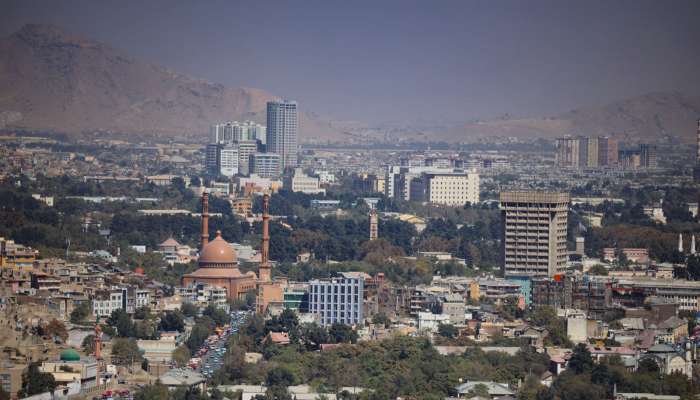
Afghanistan: Rising temperatures lead to power rationing, electricity shortages
Translated from English, summarized and contextualized by DistantNews.
At a glance
News
Named sources
Context piece
- Kabul residents face severe power rationing, receiving electricity for only six to seven hours daily due to rising temperatures.
- Demand for cooling appliances, especially solar-powered ones, has surged as residents seek reliable alternatives to the public grid.
- Afghanistan's power company attributes the shortages to high summer consumption and outdated infrastructure, with efforts underway to improve supply.
Kabul is grappling with a severe electricity crisis as soaring temperatures push the capital's power grid to its limits. Residents are enduring extensive power rationing, with many areas receiving electricity for a mere six to seven hours per day, according to a Tolo News report.
This year, most of our customers prefer solar-powered appliances because electricity is unreliable in many areas. These devices can also run on battery power.
The sweltering heat has driven a surge in demand for cooling appliances. Retailers report that customers are increasingly opting for solar-powered devices, seeking a more reliable alternative to the erratic public electricity supply. "This year, most of our customers prefer solar-powered appliances because electricity is unreliable in many areas," one vendor told Tolo News. "These devices can also run on battery power."
Afghanistan's national power company, Da Afghanistan Breshna Sherkat (DABS), has acknowledged the intensified rationing during the summer months. A spokesperson attributed the problem to increased electricity consumption during the hot season. "Another reason for the power outages in Kabul is that many of the transmission lines and transformers installed during the previous government do not meet technical standards and need to be replaced," the spokesperson added.
The lack of electricity has created many challenges for us. We ask the government to work on a permanent solution to this problem.
DABS stated that efforts are underway to mitigate the outages, with upgrades to infrastructure ongoing in many areas. However, Kabul's electricity demand reaches up to 700 megawatts, while the current domestic generation and imported electricity can only supply about 450 megawatts to the capital, highlighting a significant deficit that persists despite ongoing work.
Another reason for the power outages in Kabul is that many of the transmission lines and transformers installed during the previous government do not meet technical standards and need to be replaced.
DistantNews Editorial
Originally published by Times of Oman in English. Translated, summarized, and contextualized by our editorial team with added local perspective. Read our editorial standards.
More Stories
From Our Blog

What Gets Lost (and Found) When News Is Translated

The Critical Role of Diaspora Media in Global News

What Travellers Should Know About Countries with Restricted Press

A Digital Nomad's Guide to Following Local News

How the Same Story Looks Different in Different Countries
