

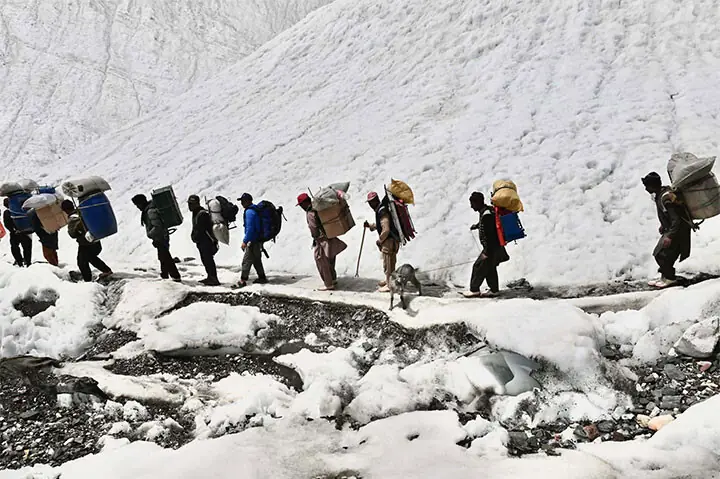

Afghanistan's humanitarian crisis deepens despite Taliban's military victory
Translated from English, summarized and contextualized by DistantNews.
At a glance
News
Sources not specified
Context piece
- Afghanistan faces a severe humanitarian crisis nearly five years after the Taliban's return, with nearly half the population needing assistance.
- Despite the Taliban's military victory and reduced conflict, the economy suffers from a collapsed banking system, widespread unemployment, and absent private investment, leading to stability without prosperity.
- Humanitarian aid, while preventing famine, has become a substitute for development, failing to create sustainable jobs or restore dignity.
Nearly five years after the Taliban's return to power, Afghanistan remains mired in one of the world's most severe humanitarian crises. Fears of an unprecedented catastrophe have proven well-founded, with the United Nations warning that almost 22 million Afghans will require humanitarian assistance in 2026.
The Taliban have achieved military success, ending a four-decade insurgency and establishing control over the country. Armed conflict has significantly decreased. However, this victory has not translated into economic recovery or national prosperity. The World Bank notes that while domestic revenues have increased and inflation has eased, population growth outpaces economic expansion, foreign aid is declining, and unemployment remains at an all-time high.
This situation has created a paradox of stability without prosperity. The economy may appear resilient on paper, but living standards continue to deteriorate for many Afghans. Private investment is virtually absent, and the banking system collapsed following the Taliban's takeover, leading millions to lose their livelihoods.
The humanitarian situation is dire, with millions experiencing acute food insecurity and child malnutrition rates among the highest globally. International agencies are providing essential relief, preventing widespread famine through food assistance, healthcare, and cash transfers. Yet, this aid functions as a substitute for development rather than a bridge towards it, failing to create sustainable employment or rebuild financial institutions.
DistantNews Editorial
Originally published by Dawn in English. Translated, summarized, and contextualized by our editorial team with added local perspective. Read our editorial standards.
More Stories

From Our Blog

What Gets Lost (and Found) When News Is Translated

The Critical Role of Diaspora Media in Global News

What Travellers Should Know About Countries with Restricted Press

A Digital Nomad's Guide to Following Local News

How the Same Story Looks Different in Different Countries
