


Africa CDC: Nearly 90% of DRC Ebola contacts untraceable
Summarized and contextualized by DistantNews.
At a glance
News
Named sources
Ongoing story
- Nearly 90% of contacts traced in the Democratic Republic of Congo's Ebola outbreak are untraceable, according to the Africa CDC.
- Major gaps in contact tracing systems are hindering containment efforts in Uganda and the DRC.
- The Africa CDC warns that the Ebola outbreak remains far from being controlled due to these tracing deficiencies.
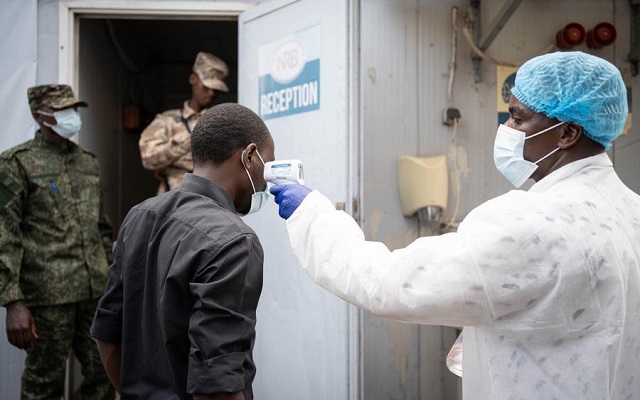
The Ebola outbreak in the Democratic Republic of Congo and neighboring Uganda is far from contained, primarily due to critical failures in contact tracing, the Africa Centres for Disease Control and Prevention (Africa CDC) has warned. A staggering 90% of individuals identified as contacts in the DRC are currently untraceable, posing a significant threat to efforts to control the spread of the Bundibugyo virus.
Dr. Jean Kaseya, director general of the Africa CDC, highlighted these major gaps during a press conference, emphasizing that the lack of effective tracing systems is a primary obstacle to containing the epidemic. When contacts cannot be monitored, it becomes exceedingly difficult to track potential new infections, provide timely medical care, and prevent further transmission within communities.
The situation underscores the persistent challenges in public health infrastructure and response mechanisms in the affected regions. Without robust contact tracing, which involves identifying, monitoring, and supporting individuals who may have been exposed to the virus, the ongoing efforts to curb the outbreak are severely undermined. The Africa CDC's warning signals a critical need for immediate intervention and improved strategies to bolster tracing capabilities.
The Ebola Bundibugyo virus disease outbreak in Uganda and the neighbouring Democratic Republic of Congo remains far from being contained due to major gaps in contact tracing systems.
DistantNews Editorial
Originally published by The Independent Uganda. Summarized and contextualized by our editorial team with added local perspective. Read our editorial standards.
More Stories


From Our Blog

What Gets Lost (and Found) When News Is Translated

The Critical Role of Diaspora Media in Global News

What Travellers Should Know About Countries with Restricted Press

A Digital Nomad's Guide to Following Local News

How the Same Story Looks Different in Different Countries
