

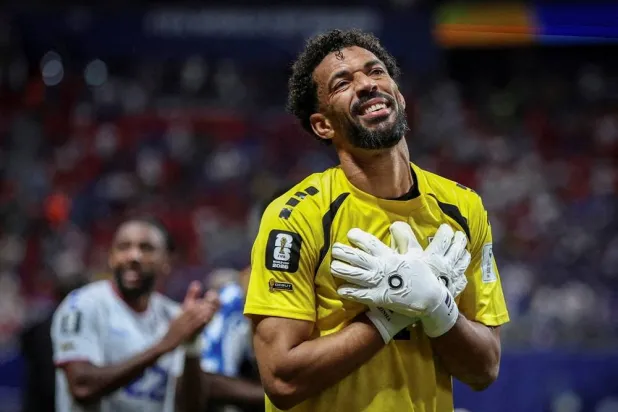

Africa's World Cup representation justified by group stage success, but knockout struggles persist
Translated from English, summarized and contextualized by DistantNews.
At a glance
News
Sources not specified
Context piece
- African teams performed competitively at the expanded World Cup, with nine of the 10 representatives reaching the knockout stage.
- Despite strong regional success rates, African teams struggled in the knockout rounds, with only two reaching the quarterfinals.
- Controversial officiating and late goals were cited as factors in some African teams' early exits, prompting debate about continental representation.
Africa's increased representation at the expanded World Cup was largely justified by competitive performances, with nine out of ten teams reaching the knockout stages. However, the continent's success faltered in the latter rounds, with only two teams making it to the quarterfinals.
Africa deserves fewer World Cup slots
The tournament saw a high success rate for African nations in the group stages, outperforming other FIFA regions. Egypt reached the round of 16, and Morocco advanced to the quarterfinals for the second time. Despite these achievements, a concerning trend of conceding late goals plagued several teams, costing them crucial matches.
Match officials make honest decisions and, just like players and coaches, they always try to do their best.
Controversies surrounding officiating and late collapses in crucial games fueled debate about the continent's World Cup slots. One coach speculated about "external pressure" on referees favoring Argentina, while FIFA's head of referees defended match officials' integrity. The performances have sparked discussions about whether Africa's increased allocation of World Cup places is warranted, despite the overall positive group stage results.
African sides relax too early. People talk about talent and passion, but when they go two goals up, the focus d
DistantNews Editorial
Originally published by Asharq Al-Awsat in English. Translated, summarized, and contextualized by our editorial team with added local perspective. Read our editorial standards.
More Stories


From Our Blog

What Gets Lost (and Found) When News Is Translated

The Critical Role of Diaspora Media in Global News

What Travellers Should Know About Countries with Restricted Press

A Digital Nomad's Guide to Following Local News

How the Same Story Looks Different in Different Countries
