


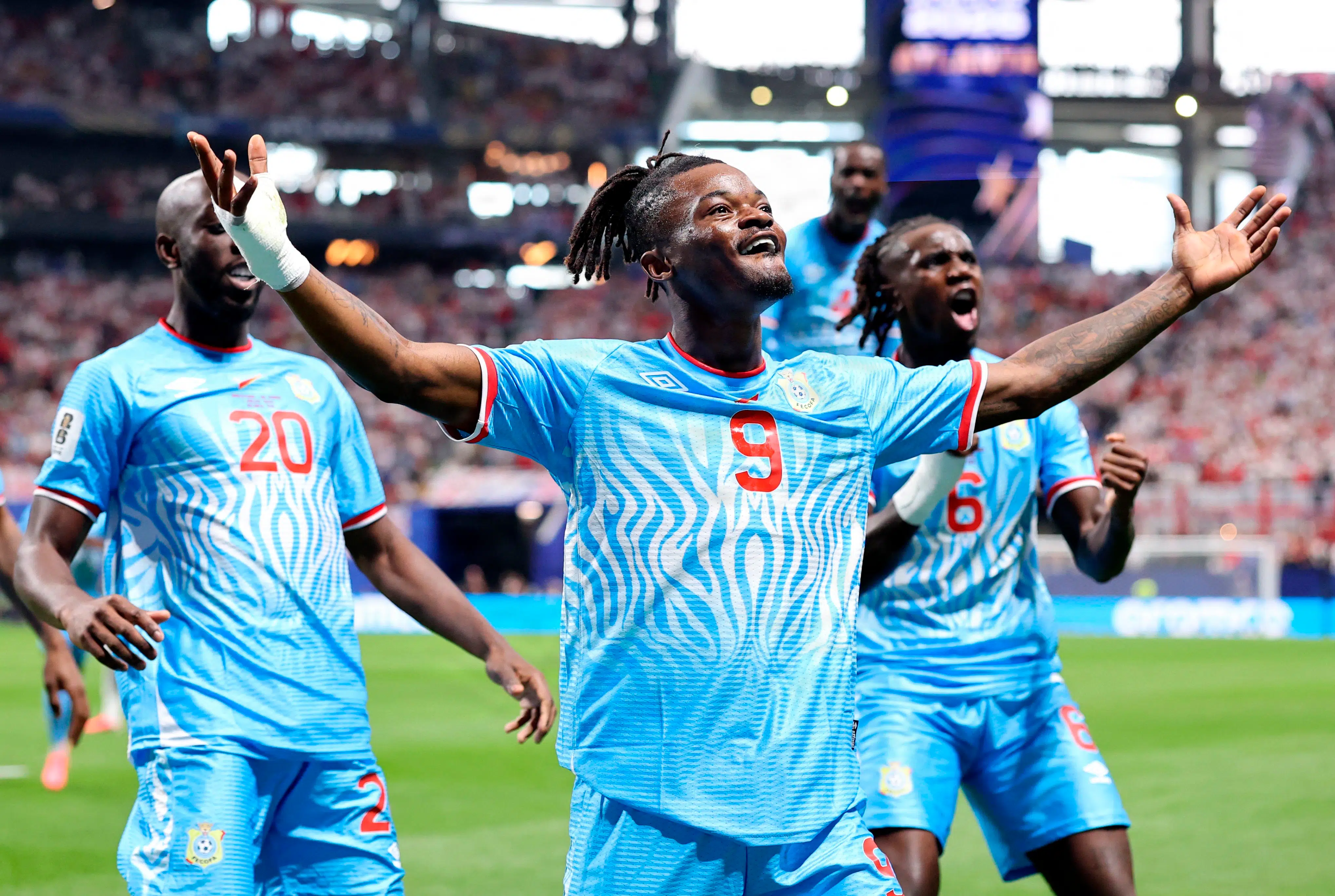
African nations' success at 2026 World Cup shows integration works
Translated from Danish, summarized and contextualized by DistantNews.
At a glance
Opinion
Sources not specified
Context piece
- The article argues that the success of African nations at the 2026 World Cup signifies the effectiveness of integration.
- It highlights Senegal's near-victory against Belgium as a symbolic moment, challenging colonial power dynamics.
- The piece suggests a shift from Europe and South America dominating football to a more globally competitive landscape.
The success of African teams at the 2026 World Cup is presented as a powerful symbol of integration, challenging the traditional narrative of European and South American dominance in international football. Historically, African nations were often seen as colorful outsiders, rarely progressing far in the tournament. This perception, the article argues, is no longer accurate.
A particularly symbolic moment highlighted is Senegal's strong performance against Belgium. For decades, Senegal was under French colonial rule, and their near-victory against a former colonial power at the World Cup is framed as a significant symbolic event. This near-win suggests a shifting global dynamic, where former colonies are increasingly challenging their historical colonizers on the world stage.
The piece suggests that the era of Europe and South America solely competing for football's ultimate prize is over. The growing strength and success of African teams indicate a more integrated and globally competitive football landscape. This shift is not just about sporting achievement but also carries broader implications about changing power dynamics and the rise of nations previously on the periphery.
DistantNews Editorial
Originally published by Berlingske in Danish. Translated, summarized, and contextualized by our editorial team with added local perspective. Read our editorial standards.
More Stories


From Our Blog

What Gets Lost (and Found) When News Is Translated

The Critical Role of Diaspora Media in Global News

What Travellers Should Know About Countries with Restricted Press

A Digital Nomad's Guide to Following Local News

How the Same Story Looks Different in Different Countries
