

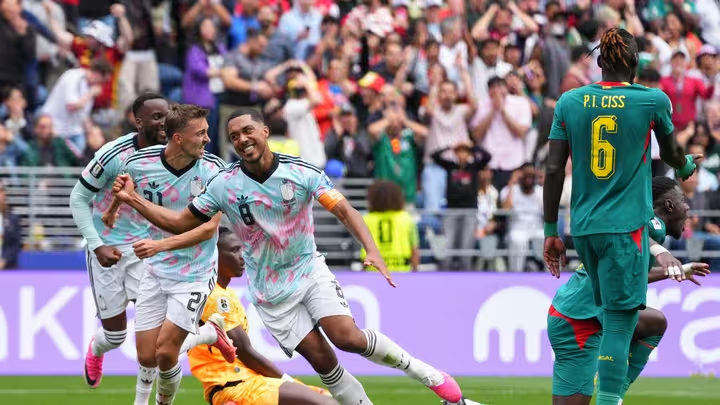
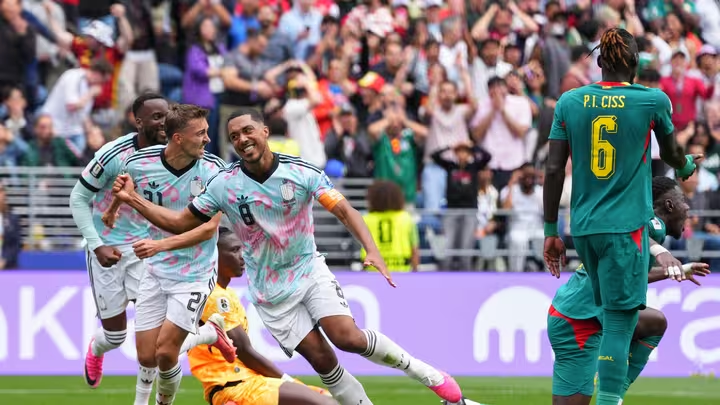
African teams' World Cup journey: From euphoria to disillusionment
Translated from French, summarized and contextualized by DistantNews.
At a glance
Analysis
Sources not specified
Context piece
- Nine out of ten African teams qualified for the 2026 World Cup knockout stages, sparking initial euphoria about African football's progress.
- Reality set in as only Morocco and Egypt advanced past the Round of 16, with seven teams eliminated, highlighting a gap in performance at the highest level.
- Morocco continues its strong showing by reaching the quarterfinals, while Egypt also advances, demonstrating sustained progress, though other teams must learn from their shortcomings.
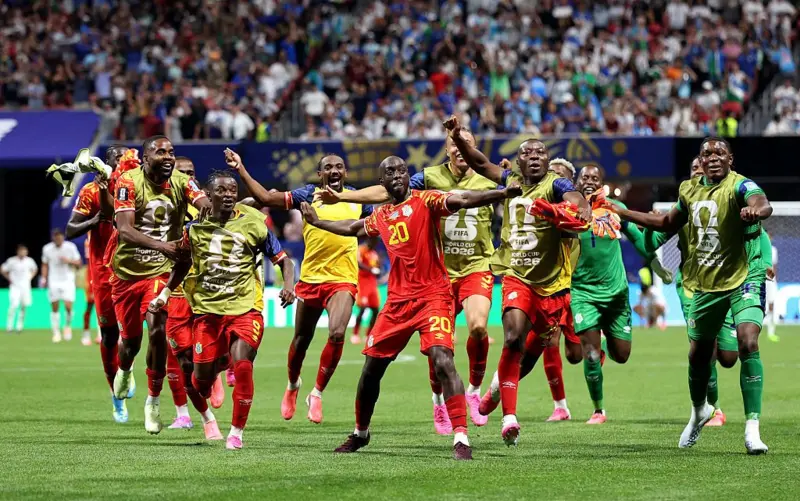
Initial euphoria surrounding African football's performance in the 2026 World Cup quickly faded. After nine of ten participating nations advanced to the knockout stages, many celebrated what they saw as undeniable proof of the continent's footballing evolution. Social media buzzed with triumphant analyses, and every small victory was hailed as revolutionary.
The very high level does not forgive approximations, lapses in concentration, or lack of character.
The competition's later stages, however, proved less romantic. Reality tempered the initial enthusiasm as seven of the nine African teams in the Round of 16 were eliminated. Some exits lacked significant resistance, underscoring that advancing to the second round is merely a step, not a final triumph. The expanded tournament format likely facilitated more African teams reaching this stage, but many mistook this for a dramatic overall improvement in skill.
The on-field results are clear: top-level competition tolerates no approximations, lapses in concentration, or lack of character. While the tournament saw impressive performances, such as Cape Verde's spirited run, major footballing nations succeed by enduring difficult periods and capitalizing on opportunities. This resilience was notably absent in several African selections.
Great nations win because they know how to suffer, manage weak periods, and kill their opponents when the opportunity arises.
Amidst this collective disappointment, Morocco and Egypt continue to represent the continent with distinction. Morocco, building on its 2022 World Cup success, has reached the quarterfinals to face France, showcasing a developing culture of performance. Egypt, facing Argentina in the Round of 16, also holds onto hope, possessing the experience and discipline for a potential upset. Cape Verde's "Blue Sharks" earned admiration for their courageous exit against Lionel Messi's Argentina, embodying a spirit that resonates more than some uninspired qualifications.
Morocco confirms that it is no longer an outsider. After its exceptional epic in the 2022 World Cup, the Atlas Lions continue their ascent and find themselves in the quarterfinals, where they will face France.
Other African teams must conduct a frank self-assessment. While talent is abundant, the winning mentality needed to convert difficult matches into victories remains a critical missing element. This drive is essential for transforming potential into consistent success on the global stage.
Egypt, too, keeps hope alive. The Pharaohs will have their work cut out for them against Argentina in the round of 16, but they have the experience and discipline needed to dream of another feat.
DistantNews Editorial
Originally published by Le Pays in French. Translated, summarized, and contextualized by our editorial team with added local perspective. Read our editorial standards.
More Stories
From Our Blog

What Gets Lost (and Found) When News Is Translated

The Critical Role of Diaspora Media in Global News

What Travellers Should Know About Countries with Restricted Press

A Digital Nomad's Guide to Following Local News

How the Same Story Looks Different in Different Countries
