




After AfD Victory in Saxony-Anhalt, Senior SPD Figures Demand Changes to Coalition Reform Course
Translated from German and summarized by DistantNews. Read the original for the full story.
At a glance
News
Named sources
Ongoing story
- SPD deputy leader Alexander Schweitzer said the federal government may have played a significant role in the AfD’s election result and called for a rethink of the planned pension reform.
- Schweitzer said the proposals could leave people receiving less than they had earned, while Dirk Wiese criticized Chancellor Friedrich Merz’s rhetoric toward working people.
- The SPD politicians said pension and care policies should address people’s everyday concerns, including stronger support for those who performed hard physical work.
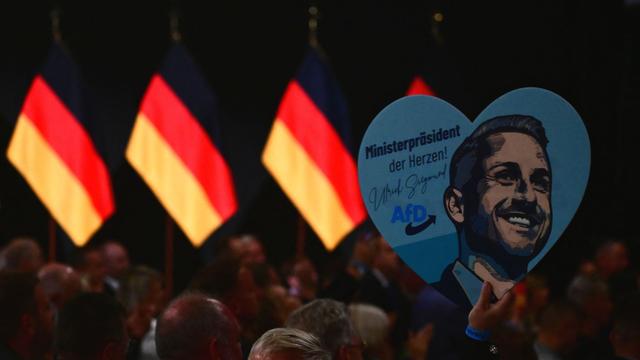
The AfD’s victory in Saxony-Anhalt has prompted senior Social Democrats to turn their criticism toward the federal government’s reform agenda. Alexander Schweitzer, an SPD deputy leader and former premier of Rhineland-Palatinate, said the government had played “no small part” in the election outcome.
Speaking to Deutschlandfunk, Schweitzer said federal issues may have been decisive for many voters in Saxony-Anhalt. He called for the planned pension reform, agreed by the CDU and SPD at federal level, to be reconsidered. The pension commission’s proposals should return to the agenda, he said, including the question of what is fair in relation to people’s contributions.
Such proposals must not receive support from the SPD.
Schweitzer said pensions needed to be “clear and secure”. In his view, the current proposals could mean people receive less than they had previously earned through their work. “Such proposals must not receive support from the SPD,” he said.
Clear and secure.
He argued that the central problem did not lie with the SPD but with the CDU’s conduct over the summer. Chancellor and CDU leader Friedrich Merz had alienated many people during the reform debate through remarks Schweitzer described as clumsy, though not accidental.
Dirk Wiese, the SPD’s parliamentary executive manager, made a similar argument in an interview with ARD’s morning program. He said Merz’s rhetoric had created the impression that the chancellor considered working people “lazy”, adding that this had caused considerable uncertainty. Wiese said issues such as pensions and care were important to voters and that the government needed to offer answers addressing everyday life. He also called for special support for people who had performed extremely hard work.
Lazy.
About this summary
Originally published by Die Zeit in German. Translated, summarized, and contextualized automatically by DistantNews, with a note on how the source frames the story. Not individually reviewed before publishing. How this works.
More Stories

From Our Blog

News in Translation: What Gets Lost, and How We Keep the Framing

The Same Story, Different Countries: How Coverage Changes at the Border

Diaspora Media: How Communities Follow News From Home

Traveling Where the Press Is Not Free: How to Read the News There

The Digital Nomad's Guide to Local News
