

After the US-Iran MoU: Diplomacy’s unfinished business
Summarized and contextualized by DistantNews.
At a glance
News
Sources not specified
Ongoing story
- Despite a recent US-Iran memorandum of understanding aimed at de-escalating tensions, missile exchanges across the Gulf have resumed.
- Commercial shipping is retreating from the Strait of Hormuz, and oil prices are rising as the confrontation intensifies.
- The US conducted precision strikes on Iranian military and petrochemical facilities, using aircraft, naval assets, and sea drones to degrade Iran's capabilities.
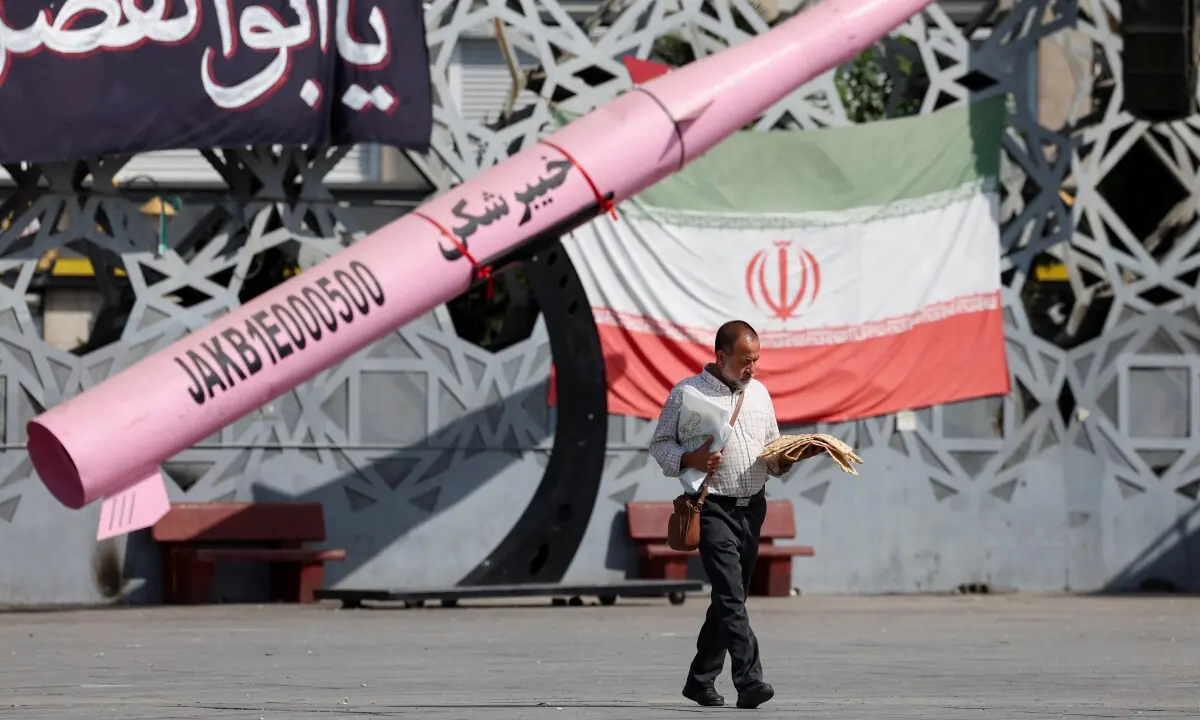
The fragile peace established by a recent US-Iran memorandum of understanding has dissolved, with missile exchanges escalating across the Persian Gulf. The confrontation has entered its most dangerous phase since hostilities resumed last week, prompting commercial shipping to withdraw from the vital Strait of Hormuz and pushing oil prices upward.
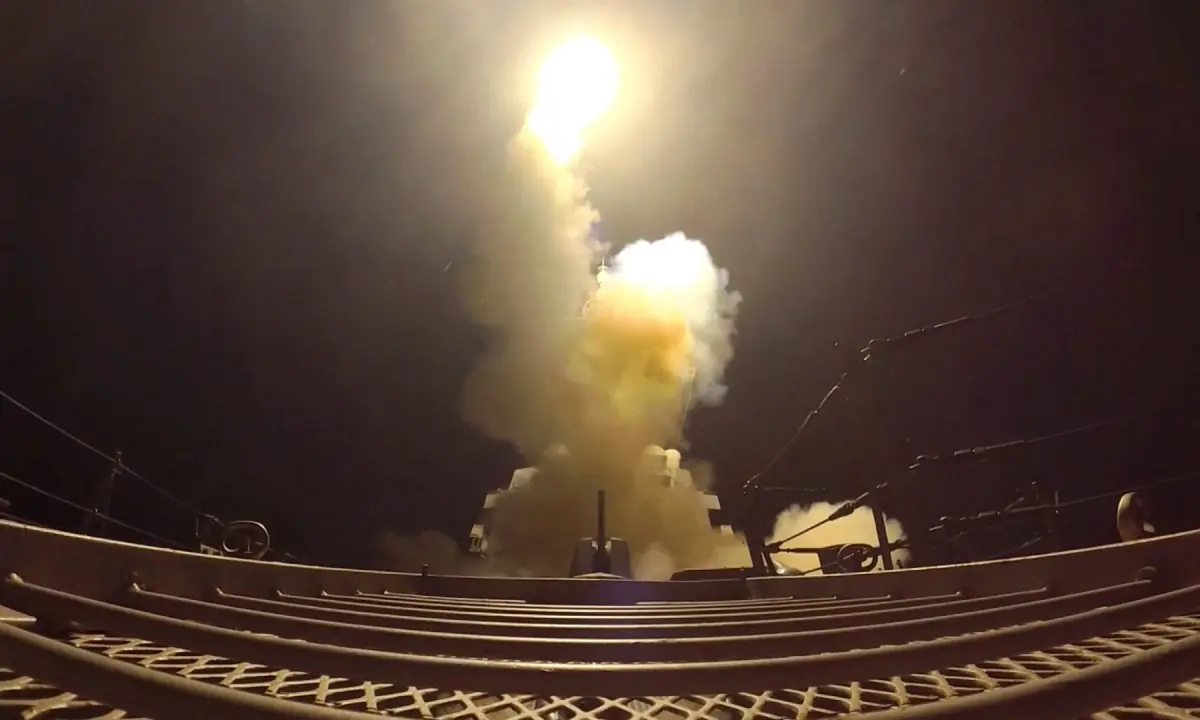
In response to the heightened tensions, the United States launched a fresh wave of precision strikes targeting military and petrochemical infrastructure in southern Iran. Facilities in the oil-rich Khuzestan province, as well as sites near Bandar Abbas, Qeshm Island, and Bushehr, were hit. The US employed a combination of aircraft, naval assets, and, for the first time in this campaign, sea drones.
These strikes aimed to degrade Iran's air defense, missile, and coastal capabilities. Open-source imagery has corroborated damage to key military installations, including the Omidiyeh airbase. The renewed hostilities underscore the persistent instability in the region, despite diplomatic efforts to secure a halt to the dangerous confrontations between the two rivals.
DistantNews Editorial
Originally published by Dawn. Summarized and contextualized by our editorial team with added local perspective. Read our editorial standards.
More Stories

From Our Blog

What Gets Lost (and Found) When News Is Translated

The Critical Role of Diaspora Media in Global News

What Travellers Should Know About Countries with Restricted Press

A Digital Nomad's Guide to Following Local News

How the Same Story Looks Different in Different Countries
