


Agri-tax failure
Summarized and contextualized by DistantNews.
At a glance
Analysis
Sources not specified
Outcome reported
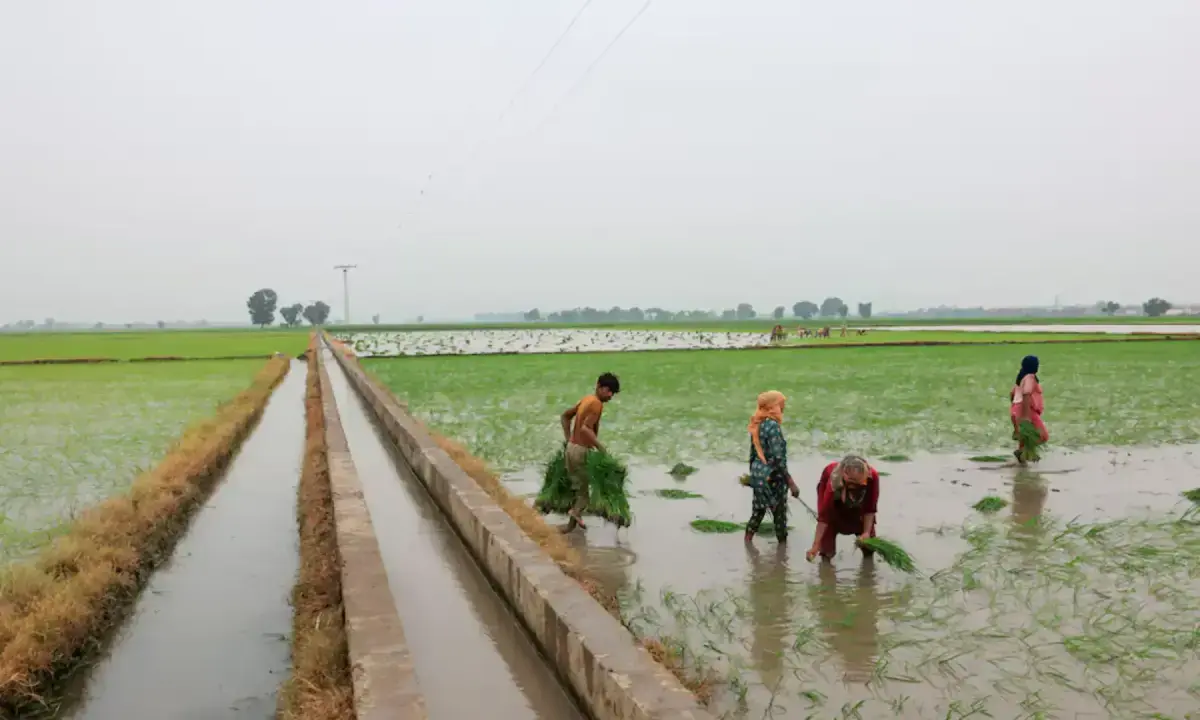
- Pakistan collected only Rs5.62 billion in unified agriculture income tax in its first year, less than 2% of the declared Rs306 billion.
- This outcome highlights the failure of legislation alone to overcome entrenched political interests in taxing agricultural income.
- Reforms aimed at harmonizing agriculture income tax laws across provinces exposed reluctance to confront powerful rural elites.
Pakistan's first year under a unified agriculture income tax regime has yielded disappointing results, collecting barely Rs5.62 billion. This amount represents less than 2% of the Rs306 billion in agricultural income declared by taxpayers, an outcome that was largely predictable.
The legislation, introduced as part of an International Monetary Fund program, aimed to address a long-standing anomaly where Pakistan's largest economic sector largely evaded effective taxation. While salaried workers and documented businesses bear a significant tax burden, agricultural income has remained a glaring exception.
The reforms sought to harmonize agriculture income tax laws across provinces. However, the process exposed a deep-seated reluctance among provincial governments to confront powerful rural elites. Provinces implemented the reforms with varying degrees of enthusiasm and adopted different approaches, underscoring the gap between policy commitments and political reality.
This failure demonstrates that legislation alone cannot overcome entrenched political interests. The unified tax regime has merely highlighted the challenges in effectively taxing Pakistan's agricultural sector.
DistantNews Editorial
Originally published by Dawn. Summarized and contextualized by our editorial team with added local perspective. Read our editorial standards.
More Stories

From Our Blog

What Gets Lost (and Found) When News Is Translated

The Critical Role of Diaspora Media in Global News

What Travellers Should Know About Countries with Restricted Press

A Digital Nomad's Guide to Following Local News

How the Same Story Looks Different in Different Countries
