

Agriculture and livestock sectors contribute to national Net Zero efforts
Summarized and contextualized by DistantNews.
At a glance
News
Named sources
Context piece
- Oman's agriculture and livestock sectors are adopting innovative solutions to support national Net Zero goals.
- Smart agriculture, including AI and IoT, is being used to improve efficiency and reduce resource consumption.
- Initiatives like afforestation, carbon sequestration projects, and sustainable feed production are underway to cut emissions.
Oman's agriculture and livestock sectors are actively expanding the adoption of natural and innovative solutions to support the nation's Net Zero ambitions. Through a series of targeted national initiatives and projects, these vital sectors are poised to contribute significantly to emissions reduction, enhance the efficiency of natural resource use, and bolster food security.
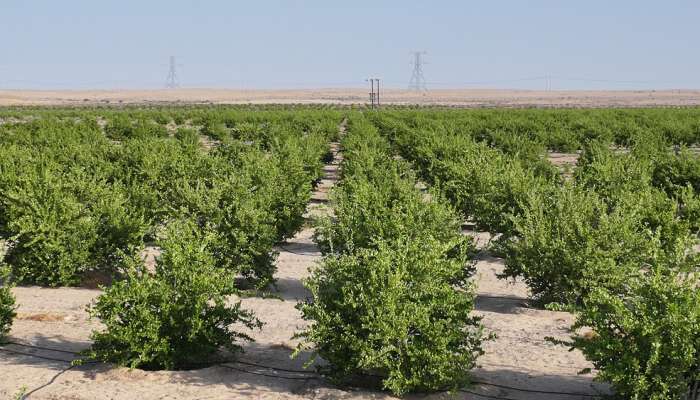
The Sultanate is embracing smart agriculture as a cornerstone for strengthening food security and environmental sustainability. This involves implementing advanced techniques such as smart irrigation systems, hydroponics, vertical farming, and the utilization of drones, artificial intelligence (AI), and the Internet of Things (IoT). These technologies aim to boost production efficiency while simultaneously reducing the consumption of water, energy, and chemical fertilizers.
The Ministry of Agriculture, Fisheries and Water Resources is spearheading national efforts to achieve Net Zero and curb carbon emissions. This includes developing a sustainable agricultural system, increasing vegetation cover, and adopting modern agricultural and water technologies. These measures are crucial for Oman's transition towards a low-carbon green economy, addressing climate change, and promoting environmental sustainability.
Specific initiatives include the implementation of AI-based smart fertilization systems that precisely analyze plant nutrient needs, thereby minimizing fertilizer waste, lowering pollution and emissions, and increasing agricultural output. Dr. Ali Obaid Al Adawi, Director of the Agriculture Research Department in North Al Batinah, highlighted that modern agricultural technologies and expanded green areas are fundamental to meeting Net Zero targets. Estimates suggest that emissions from crop, livestock, and aquaculture sectors amounted to approximately 1.8 million tonnes of CO₂ equivalent up to 2024. To combat this, the Ministry is executing projects focused on afforestation, blue carbon initiatives, organic fertilizer and sustainable animal feed production, and a research project evaluating the Ghaf tree for carbon sequestration and timber production.
the adoption of modern agricultural technologies and the expansion of green areas represent a fundamental pillar in achieving Net Zero targets in the Sultanate of Oman.
DistantNews Editorial
Originally published by Times of Oman. Summarized and contextualized by our editorial team with added local perspective. Read our editorial standards.
More Stories

From Our Blog

What Gets Lost (and Found) When News Is Translated

The Critical Role of Diaspora Media in Global News

What Travellers Should Know About Countries with Restricted Press

A Digital Nomad's Guide to Following Local News

How the Same Story Looks Different in Different Countries
