


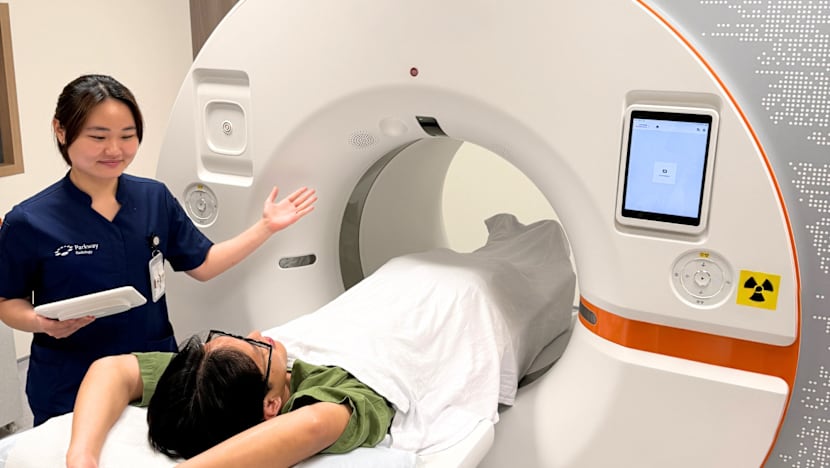
AI and low-dose CT scans transform lung cancer screening
Translated from English and summarized by DistantNews. Read the original for the full story.
At a glance
News
Sources not specified
Context piece
- Advances in medical imaging, including low-dose CT scans and AI, are improving lung cancer detection.
- These technologies are crucial as lung cancer cases increase among non-smokers.
- The methods aim to identify the disease at earlier stages and minimize patient radiation exposure.
Innovative medical imaging technologies, specifically low-dose computed tomography (CT) scans combined with artificial intelligence (AI), are revolutionizing the way lung cancer is screened for and detected.
This technological leap comes at a critical time, as healthcare professionals observe a concerning rise in lung cancer diagnoses among individuals who have never smoked. Traditional screening methods often carry risks, including significant radiation exposure. However, the new low-dose CT approach significantly reduces this exposure while maintaining diagnostic accuracy.
The integration of AI further enhances these capabilities. Algorithms can analyze scan results with remarkable speed and precision, identifying subtle abnormalities that might be missed by the human eye. This allows for earlier detection of lung cancer, a factor strongly correlated with improved patient outcomes and treatment effectiveness. By catching the disease in its nascent stages, doctors can intervene more effectively, offering patients a better chance at recovery.
About this summary
Originally published by CNA in English. Translated, summarized, and contextualized automatically by DistantNews, with a note on how the source frames the story. Not individually reviewed before publishing. How this works.
More Stories



From Our Blog

What Gets Lost (and Found) When News Is Translated

The Critical Role of Diaspora Media in Global News

What Travellers Should Know About Countries with Restricted Press

A Digital Nomad's Guide to Following Local News

How the Same Story Looks Different in Different Countries
