


AI Detects Colorectal Cancer Early Through Blood Test
Translated from Korean and summarized by DistantNews. Read the original for the full story.
At a glance
News
Sources not specified
Approved/passed
- Researchers have developed an AI-powered blood test capable of detecting colorectal cancer with 90% accuracy.
- This new method bypasses the inconvenient procedures of traditional screening, such as stool sample collection or bowel preparation.
- The AI-driven test shows high sensitivity, potentially improving early diagnosis rates for colorectal cancer.
A groundbreaking diagnostic method using artificial intelligence (AI) promises to detect colorectal cancer with 90% accuracy through a simple blood test, potentially overcoming the hurdles of traditional screening. Colorectal cancer, the third most common cancer in South Korea, boasts a survival rate exceeding 95% when diagnosed early. However, the cumbersome nature of current screening methods often results in delayed detection.
These research results suggest the possibility of convenient colorectal cancer screening through blood tests, reducing the burden felt during existing screening processes.
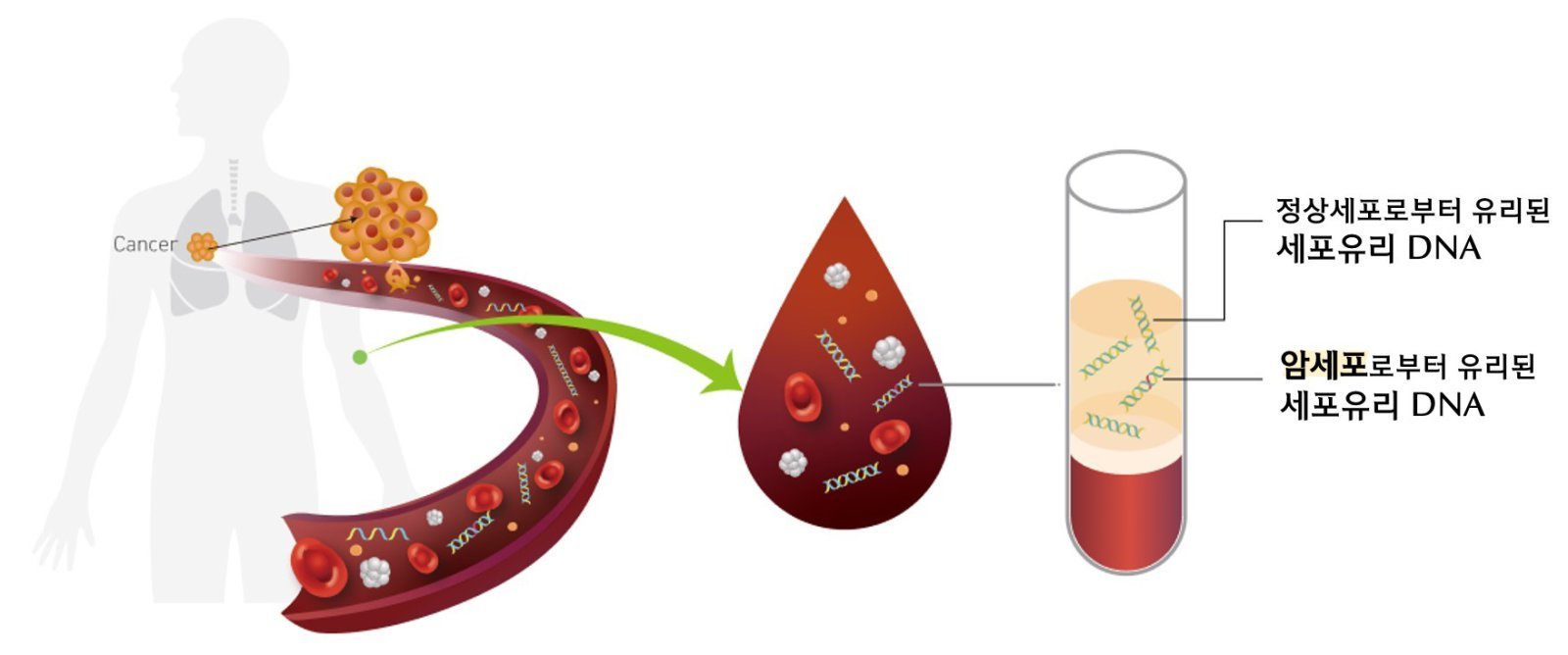
Researchers at Seoul Asan Medical Center, led by Professors Byun Jeong-sik and Hong Seung-wook, have developed a 'cell-free DNA blood diagnostic method.' This AI-driven approach analyzes cell-free DNA in the blood, which originates from cancer cells. In a study involving over 1,000 colorectal cancer patients and a control group, the method achieved a diagnostic sensitivity of 90.4%, significantly outperforming the 70-80% sensitivity of the conventional fecal occult blood test.
The new technique offers a less invasive alternative to existing methods. Current national screening relies on fecal occult blood tests, with positive results recommending a colonoscopy. However, the low screening participation rate, 44.4% according to the National Health Insurance Service, is attributed to the unpleasantness of collecting stool samples and the need for bowel preparation before a colonoscopy. The new blood test eliminates these barriers, potentially increasing screening uptake.
Especially like this research that improved the accuracy of the blood test using an AI deep learning model, AI technology is expected to be usefully applied in various medical fields in the future.
Further analysis revealed that the cell-free DNA blood diagnostic method demonstrated a specificity of 94.7% in the normal control group, correctly identifying 95 out of 100 healthy individuals. The sensitivity remained high even for early-stage cancers, with 84.2% for Stage 1 and 85.0% for Stage 2. The method also detected advanced adenomatous polyps, precursors to cancer, with 58.3% sensitivity, a notable improvement over the 25-40% sensitivity of the fecal occult blood test for polyps.
Given the current situation where colorectal cancer is increasing in people in their 20s and 40s, who are younger than the target age of 50 for national colorectal cancer screening, more convenient colorectal cancer screening is possible by combining the convenience of blood diagnostics with AI technology.
Professor Byun Jeong-sik expressed optimism about the potential of this AI-integrated blood test, especially given the rising incidence of colorectal cancer among younger demographics (20-40s) who are below the typical screening age of 50. He believes this convenient approach could significantly contribute to early detection and treatment, potentially through minimally invasive endoscopic resection, thereby improving survival rates and quality of life.
If colorectal cancer is detected early, it can be treated with minimally invasive endoscopic resection, which is expected to contribute to improving survival rates and quality of life after treatment.
About this summary
Originally published by Dong-A Ilbo in Korean. Translated, summarized, and contextualized automatically by DistantNews, with a note on how the source frames the story. Not individually reviewed before publishing. How this works.
More Stories



From Our Blog

What Gets Lost (and Found) When News Is Translated

The Critical Role of Diaspora Media in Global News

What Travellers Should Know About Countries with Restricted Press

A Digital Nomad's Guide to Following Local News

How the Same Story Looks Different in Different Countries
