

AI drives Dubai utility's smart city ambitions, cuts service times
Translated from English, summarized and contextualized by DistantNews.
At a glance
News
Official statement
New plan
- Dubai Electricity and Water Authority (DEWA) is leveraging artificial intelligence to enhance its operations and build smart, sustainable cities.
- DEWA's AI initiatives have significantly reduced customer service times, such as refunding security deposits from four days to eight minutes.
- The utility's virtual assistant, Rammas, has handled over 13 million customer inquiries since 2017, continuously improved with advanced AI.
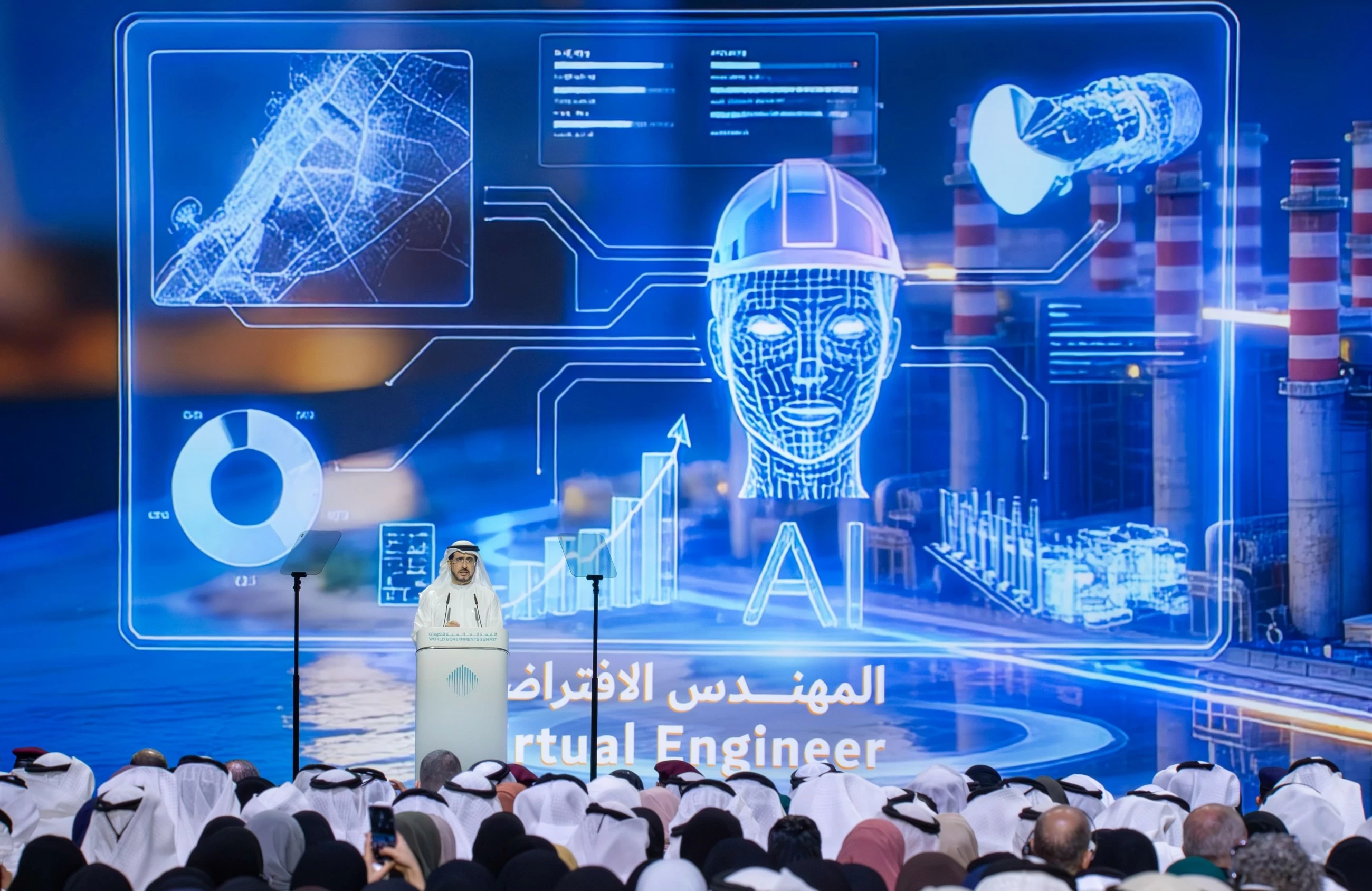
Dubai Electricity and Water Authority (DEWA) is aggressively integrating artificial intelligence to power its vision of becoming the world's first AI-driven utility. Saeed Mohammed Al Tayer, the authority's MD and CEO, highlighted the "exceptional outcomes" of DEWA's strategic roadmap, emphasizing AI's role in creating efficient, resilient, and proactive service ecosystems.
Tangible achievements underscore this transformation. The time required for security deposit refunds, a process that previously took up to four days for amounts up to Dhs4,000, has been slashed to a mere eight minutes. This dramatic improvement showcases DEWA's commitment to customer convenience through technological advancement.
Furthermore, DEWA's virtual smart employee, Rammas, has become a cornerstone of its customer service. Since its 2017 launch, Rammas has independently managed over 13 million customer inquiries. Its capabilities are continually enhanced through the integration of the latest generative AI technologies, including GPT-4o, allowing it to handle complex interactions with increasing sophistication.
Al Tayer stressed that AI is no longer an optional add-on but a fundamental pillar for smart and sustainable cities. He asserted that the technology enables the development of more effective services, supporting a higher quality of life for residents.
artificial intelligence is no longer an optional technology that organisations add to their operations, but has become a fundamental pillar of smart and sustainable cities, enabling the development of more efficient, resilient and proactive service ecosystems that support quality of life.
DistantNews Editorial
Originally published by Gulf Today in English. Translated, summarized, and contextualized by our editorial team with added local perspective. Read our editorial standards.
More Stories



From Our Blog

What Gets Lost (and Found) When News Is Translated

The Critical Role of Diaspora Media in Global News

What Travellers Should Know About Countries with Restricted Press

A Digital Nomad's Guide to Following Local News

How the Same Story Looks Different in Different Countries
