


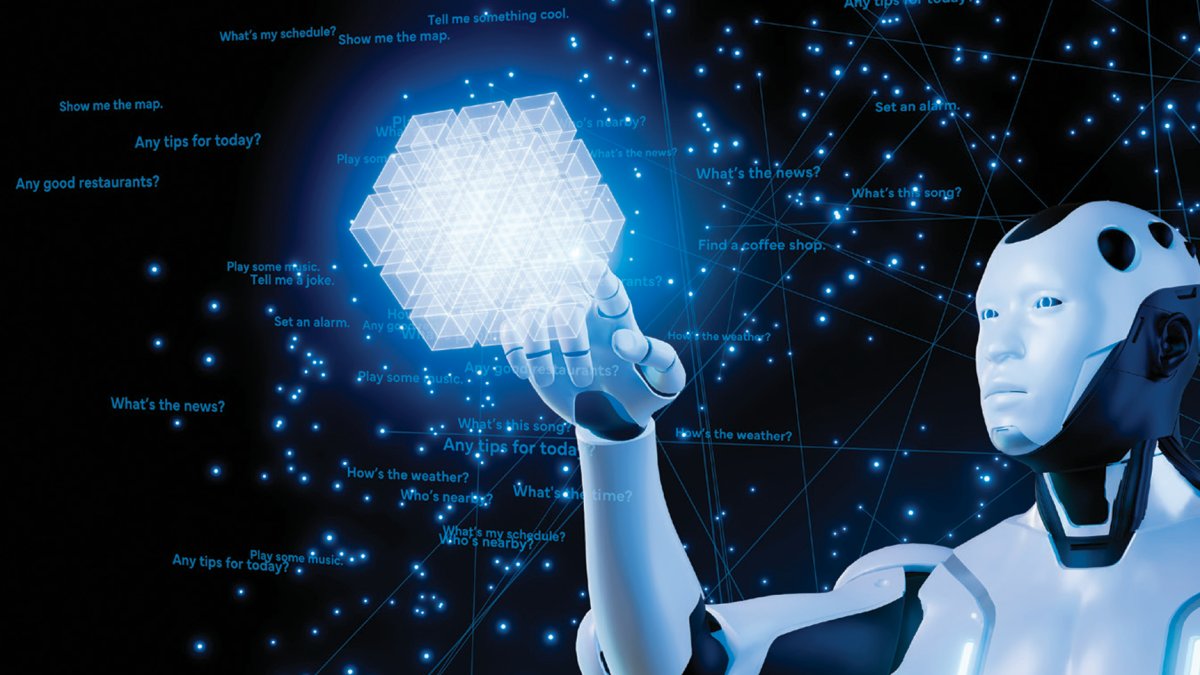
AI Enters the Realm of Fortune-Telling, Physiognomy, and Feng Shui
Translated from Korean and summarized by DistantNews. Read the original for the full story.
At a glance
In-depth
Sources not specified
Context piece
- Artificial intelligence is increasingly being used in traditional East Asian fortune-telling practices like fortune-telling, physiognomy, and feng shui.
- AI-powered robots offering services like fortune-telling and physiognomy are attracting younger generations, with a significant portion of users being women in their 20s and 30s.
- Experts suggest AI can enhance feng shui by analyzing vast datasets of geographical information and historical data, potentially verifying and identifying auspicious locations with unprecedented precision.
In Seoul's trendy Ikseon-dong neighborhood, a shop named 'VINAIDA' offers a glimpse into the future, not through traditional means, but with AI. Here, robot fortune-teller 'Ami' and robot physiognomist 'Dangun' greet customers, advertised as "robot shamans riding algorithms instead of shamanistic swords" and "robot physiognomists laying out big data instead of mats."
This fusion of ancient East Asian arts with cutting-edge technology is captivating younger demographics. The trend extends beyond fortune-telling and physiognomy, with AI-driven services predicting destinies based on birth dates. One platform reports that 90% of its users are in their 20s and 30s, with women making up 70% of that group. This AI service, which uses its own algorithms based on approximately one million data points, boasts 5 million cumulative users and 1 million monthly active users.
Feng shui, the traditional practice of arranging living spaces to harmonize with energy flows, is also embracing AI. The article draws parallels to Steve Jobs' iPhone and AlphaGo, suggesting AI's potential to revolutionize feng shui. AI can rapidly accumulate and analyze vast amounts of data, including geographical information from maps and satellite imagery, historical records of auspicious sites, and data on royal tombs and historic residences. This capability could allow AI to verify existing feng shui sites or even discover new ones, potentially becoming the most comprehensive feng shui expert in history.
Experts believe AI will not replace feng shui practitioners but will serve as a tool to more precisely realize feng shui's original value. Dr. Kim Deok-ki of Dongguk University noted that while feng shui was once a state-sanctioned academic discipline, it has been marginalized as superstition. He posits that advancements in AI and Geographic Information Systems (GIS) offer a new opportunity to verify the empirical and scientific aspects of feng shui. Experiments exploring the physical effects of auspicious and inauspicious sites, using methods like measuring capillary blood flow and brainwaves, have yielded intriguing results, showing higher alpha wave activity in auspicious locations. While the concept of 'qi' remains scientifically elusive, the integration of AI promises a more data-driven and precise approach to understanding and applying feng shui principles.
About this summary
Originally published by Dong-A Ilbo in Korean. Translated, summarized, and contextualized automatically by DistantNews, with a note on how the source frames the story. Not individually reviewed before publishing. How this works.
More Stories


From Our Blog

What Gets Lost (and Found) When News Is Translated

The Critical Role of Diaspora Media in Global News

What Travellers Should Know About Countries with Restricted Press

A Digital Nomad's Guide to Following Local News

How the Same Story Looks Different in Different Countries
