


AI funds rotate from Korean chip stocks to Chinese tech shares, analysis shows
Translated from Korean, summarized and contextualized by DistantNews.
At a glance
Analysis
Named sources
Context piece
- Investor funds are shifting from South Korean semiconductor stocks to Chinese tech stocks in an "AI rotation" phenomenon.
- This shift occurs as investors seek relatively undervalued Chinese tech companies after significant gains in Korean and Taiwanese semiconductor shares.
- The rotation coincides with a downturn in the South Korean stock market and a surge in Hong Kong's Hang Seng China Enterprises Index.
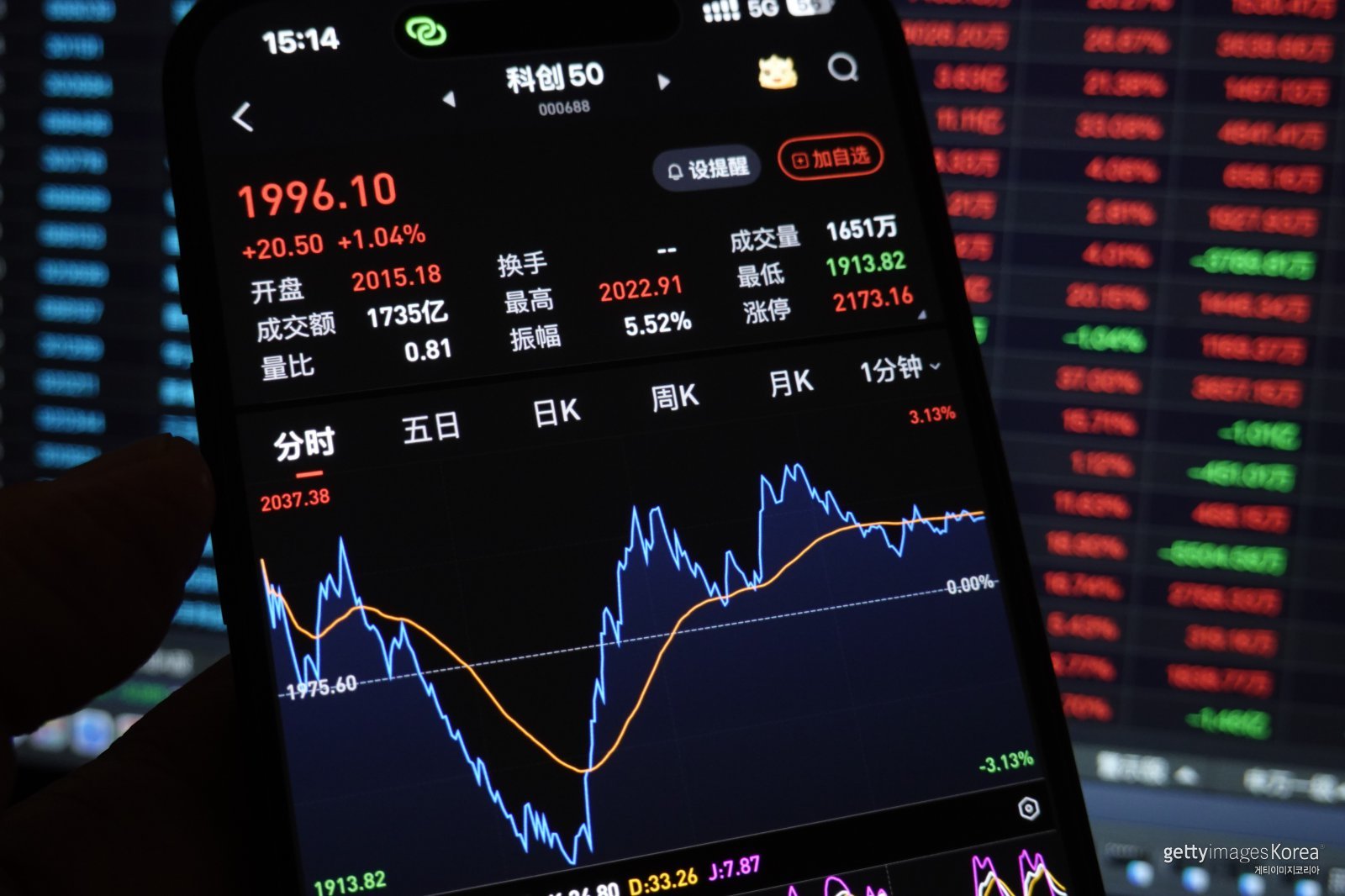
An "AI rotation" is underway in Asian markets, with investor funds moving from South Korean semiconductor stocks to Chinese technology companies, according to a Bloomberg analysis. This shift indicates that the enthusiasm for artificial intelligence investment is not waning but rather redirecting towards potentially undervalued Chinese tech stocks after substantial rallies in Korean and Taiwanese semiconductor shares.
This capital flow has impacted market performance. The South Korean KOSPI index has fallen approximately 20% from its recent record high, entering a technical bear market. In contrast, Hong Kong's Hang Seng China Enterprises Index saw its largest intraday gain since April of the previous year, surging up to 4.5%.
Throughout the year, investors heavily favored South Korean and Taiwanese semiconductor firms like SK Hynix and Samsung Electronics, anticipating them to be the primary beneficiaries of surging AI demand. However, as the rally extended and questions arose about the sustainability of AI investment growth, investor strategies began to change. Alibaba's stock jumped over 13%, and Tencent rose more than 4% in Hong Kong.
Korean and Taiwanese AI rallies are showing signs of fatigue, but it’s too early to call for a major correction. However, investors are rebalancing their portfolios as they become more aware of concentration risk.
Gerald Chan, Chief Investment Officer at Harvest Global Investments, noted that while AI rallies in Korea and Taiwan show signs of fatigue, a major correction may not be imminent. He suggested that investors are rebalancing portfolios to mitigate concentration risks. The development of in-house AI chips by Chinese companies, such as DeepSeek and Zhipu AI, is also influencing this rotation, potentially creating new growth opportunities and encouraging collaboration with Chinese semiconductor firms.
Despite Samsung Electronics reporting a 19-fold increase in quarterly operating profit year-on-year, its stock price declined, reflecting a shift in market sentiment. Analysts suggest that expectations for AI investment growth may already be priced into current valuations. Concerns are growing about whether global tech giants will continue their massive AI investment spree, with Fidelity International's Ian Samson, a portfolio manager, warning of downside risks for the semiconductor sector if these investments slow faster than anticipated. The analysis also points to increased volatility in the South Korean market due to significant net selling by foreign investors and buying by domestic retail investors.
The AI demand for semiconductors is indeed very strong, but ultimately a handful of global big tech companies are leading about $1 trillion in capital expenditures. If this investment slows down faster than expected, the downside risk for the semiconductor sector could increase.
DistantNews Editorial
Originally published by Dong-A Ilbo in Korean. Translated, summarized, and contextualized by our editorial team with added local perspective. Read our editorial standards.
More Stories


From Our Blog

What Gets Lost (and Found) When News Is Translated

The Critical Role of Diaspora Media in Global News

What Travellers Should Know About Countries with Restricted Press

A Digital Nomad's Guide to Following Local News

How the Same Story Looks Different in Different Countries
