

AI-Generated Images Challenge Photography's Relationship with Reality
Translated from Hungarian and summarized by DistantNews. Read the original for the full story.
At a glance
Analysis
Sources not specified
Context piece
- AI-generated images question the traditional link between a photograph and its subject matter.
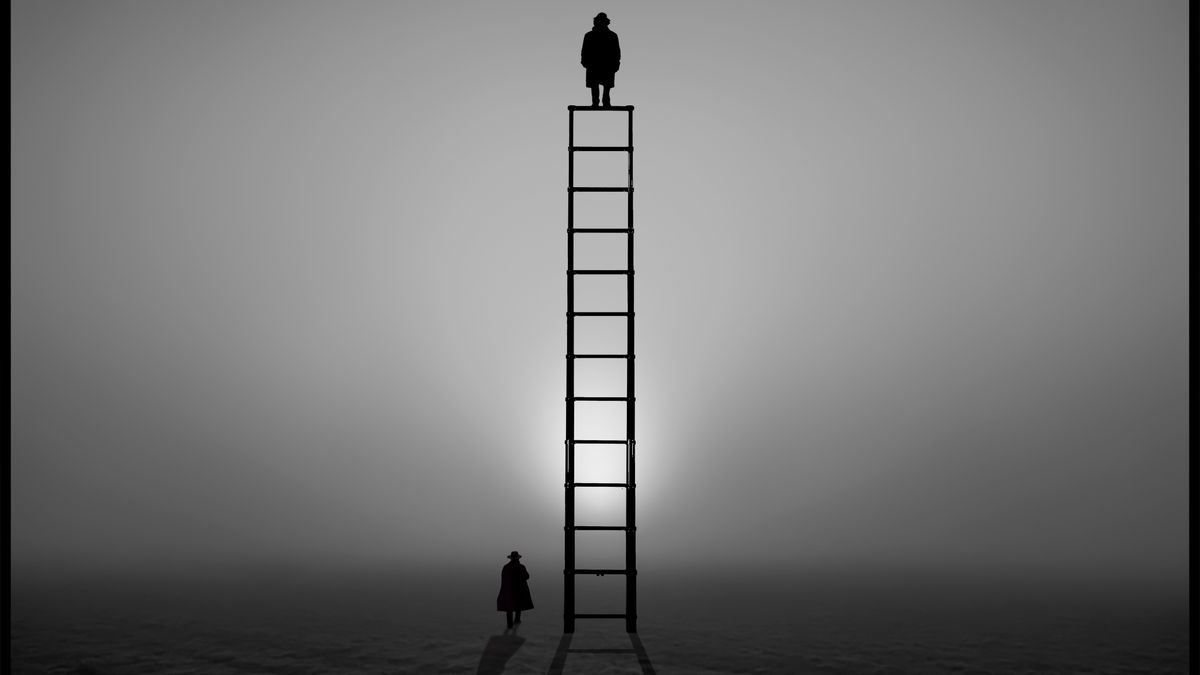
- The III. National Salon of Photography features a section on AI-generated images, exploring artists' integration of the technology.
- Artists are using AI not just as a theme but as a tool within complex artworks, challenging established photographic practices.
The fundamental question in interpreting photography revolves around its relationship with reality. While a photograph is not reality itself, its creation traditionally implied a connection to something that exists. However, this connection did not guarantee objectivity; the photographer's choices in framing and perspective mean every image is an interpretation.
AI-generated images that mimic photography now cast doubt on this very notion of a real-world reference. A moment that never happened can now appear as if it did. On Hungarian Photography Day, art historian and critic Bán András, along with photographer and visual artist Gőbölyös Luca, discussed how we are adapting to this new visual entity and what it means for our understanding of photography.
Artists who have been active for a long time, and masters of photography in general, have established a standard, an aesthetic practice, a taste over roughly 150 years. This has naturally evolved significantly during that time. When we look at a photograph today, we also consider whether it is simple communication, information transfer, or something more complex that deeply affects us, touches us on an elemental level. This mode of photographic expression, let's call it photographic art, has its own practice, its peaks, and its limitations.
The III. National Salon of Photography includes a dedicated section on AI-generated images. Curators Bán András and Kincses Károly have selected works that investigate AI's place within photographic thought. "Artists who have been active for a long time, and masters of photography in general, have established a standard, an aesthetic practice, a taste over roughly 150 years," Bán András explained. "This has naturally evolved significantly during that time. When we look at a photograph today, we also consider whether it is simple communication, information transfer, or something more complex that deeply affects us, touches us on an elemental level. This mode of photographic expression, let's call it photographic art, has its own practice, its peaks, and its limitations."
Bán András highlighted how the use of AI complicates these established notions. "We weren't trying to decide what counts as art among AI-generated images," he emphasized. "Instead, we reviewed the paths practicing artists are taking when they try to incorporate AI into their toolkit." The exhibition's sixth room serves as a cross-section rather than a definitive statement, showcasing various artistic strategies for integrating new technology into existing visual practices. One approach involves using AI not as a standalone subject but as a component within a more complex work, a method employed by Gőbölyös Luca in her installation, which draws from her grandmother's drawings and stories.
We weren't trying to decide what counts as art among AI-generated images. Instead, we reviewed the paths practicing artists are taking when they try to incorporate AI into their toolkit.
About this summary
Originally published by Magyar Nemzet in Hungarian. Translated, summarized, and contextualized automatically by DistantNews, with a note on how the source frames the story. Not individually reviewed before publishing. How this works.
More Stories
From Our Blog

Countries Without a Free Press: What You Need to Know

What Press Freedom Means for the News You Read

What Gets Lost (and Found) When News Is Translated

The Critical Role of Diaspora Media in Global News

What Travellers Should Know About Countries with Restricted Press
