


AI in Politics: Ministries and Chancellor Use AI for Research and Support Tasks
Translated from German, summarized and contextualized by DistantNews.
At a glance
News
Sources not specified
Context piece
- German ministries are using AI for research and support tasks, but not for text or speech production.
- Chancellor Friedrich Merz and Vice Chancellor Lars Klingbeil's offices stated that their speeches are written by humans, with AI used only for research.
- The article follows a previous report suggesting a minister may have used AI for speeches and guest articles, sparking debate.
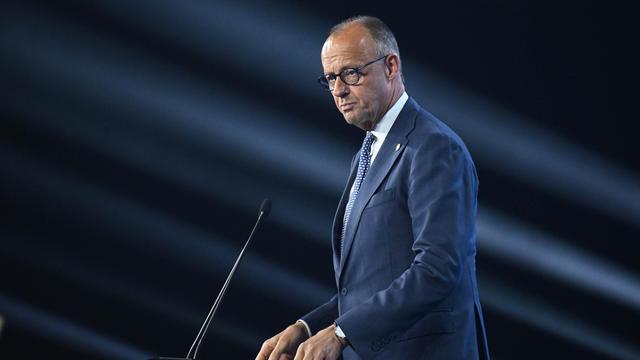
German government ministries are employing artificial intelligence for research and auxiliary functions, but strictly for human-authored texts and speeches. The Federal Chancellery confirmed that Chancellor Friedrich Merz and his Chief of Staff, Thorsten Frei, personally value their speeches, often writing them themselves or shaping AI-assisted drafts into their own words. AI is used in "individual cases" for research purposes only, not for text generation.
They take drafts, but shape them into their own texts.
A spokesperson for Vice Chancellor Lars Klingbeil stated that speeches and texts from the Federal Ministry of Finance are "fundamentally written without the use of AI." The ministry has an internal directive outlining which AI systems can be used for official purposes and the necessary precautions. Similarly, Foreign Minister Johann Wadephul's office reported that his speeches and debate contributions are prepared by staff, and the ministry adopted an AI charter in 2024.
The Federal Ministry of Labour and Social Affairs (BMAS) also utilizes AI, describing it as "human intelligence supported punctually by artificial intelligence" for research and assistance. This approach comes after a recent report by ZEIT indicated that Federal Digital Minister Karsten Wildberger may have used AI to generate speeches and guest articles. The Handelsblatt newspaper temporarily removed a guest article by the CDU politician following this revelation.
Speeches and texts from the House leadership are fundamentally written without the use of AI.
Previously, Thuringia's Minister-President Mario Voigt (CDU) faced criticism for allegedly using AI to help write several speeches and media contributions, including one for Holocaust Remembrance Day, a eulogy, and a New Year's address. These instances highlight an ongoing discussion within German politics about the ethical and practical boundaries of AI use in official communications.
In the BMAS, writing speeches and texts remains a process of human intelligence, which is only punctually supported by artificial intelligence.
DistantNews Editorial
Originally published by Die Zeit in German. Translated, summarized, and contextualized by our editorial team with added local perspective. Read our editorial standards.
More Stories


From Our Blog

What Gets Lost (and Found) When News Is Translated

How the Same Story Looks Different in Different Countries

The Critical Role of Diaspora Media in Global News

What Travellers Should Know About Countries with Restricted Press

A Digital Nomad's Guide to Following Local News
