


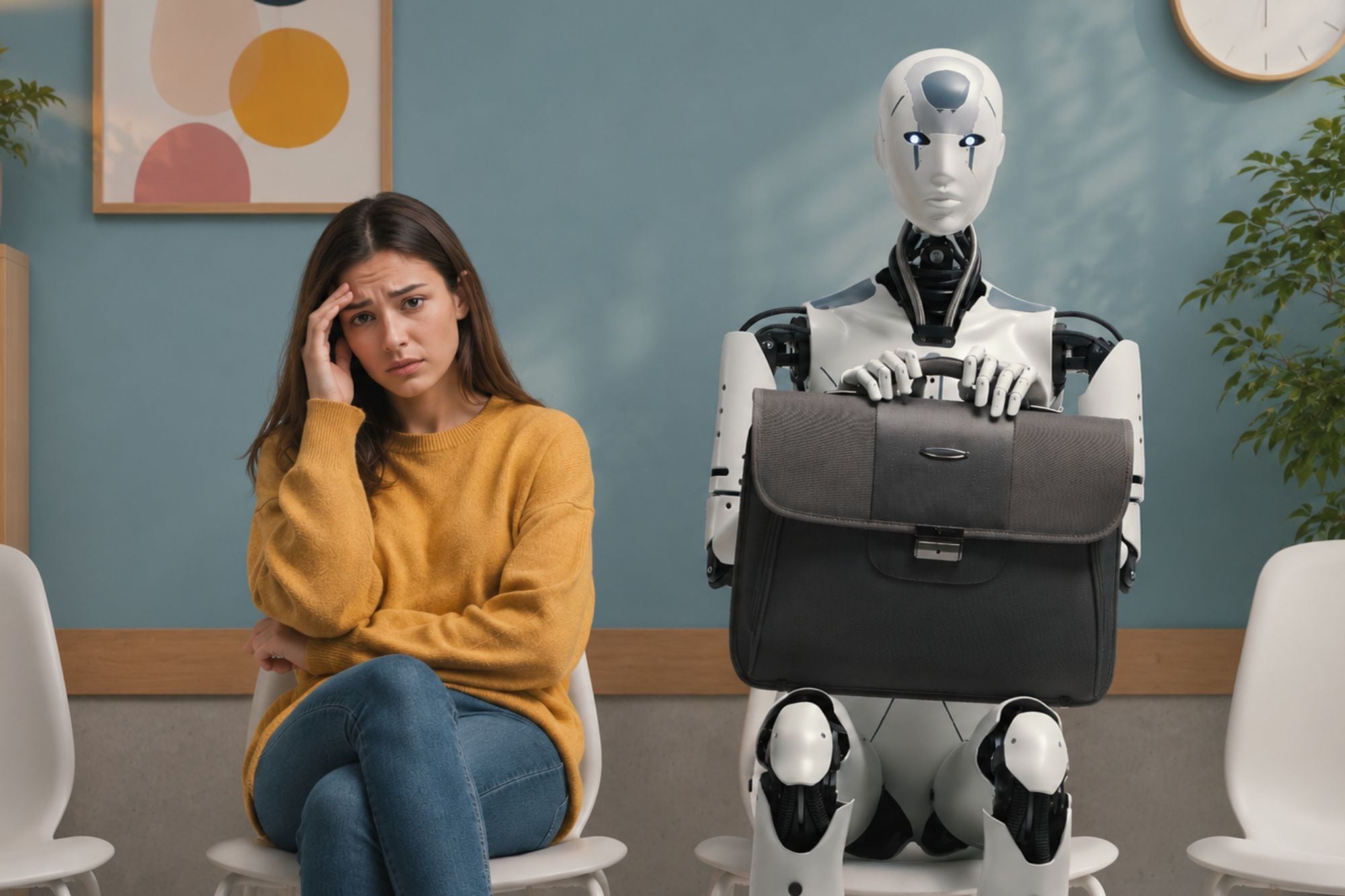
AI's hidden problem: Why young people are among the hardest hit in finding work
Translated from Spanish, summarized and contextualized by DistantNews.
At a glance
News
Named sources
Context piece
- Artificial intelligence is increasingly automating tasks previously performed by young people, threatening their entry into the job market.
- A report from Anthropic suggests a slowdown in hiring for younger workers in occupations highly exposed to AI automation.
- Experts note that companies like Meta, Microsoft, and Google hired significantly fewer recent graduates in 2025 compared to previous years, indicating a structural shift in labor demand.
A growing concern is emerging regarding the impact of artificial intelligence on the job prospects of young people, with fears that AI is automating entry-level tasks and hindering their access to the professional world. Eric Schmidt, former CEO of Google, recently acknowledged this anxiety, stating that a "fear in their generation" exists about machines taking over and jobs evaporating.
This sentiment is supported by a recent document from Anthropic, the company behind the AI Claude. Titled "Impact of AI on the labor market: a new metric and first evidence," the report links a decline in U.S. employment levels to AI-driven automation. While not indicating a general rise in unemployment due to AI, the study found "indications that the hiring of younger workers has slowed in exposed occupations." The report identifies specific job categories most vulnerable to AI replacement.
Experts like Andrés Pallaro, director of the Observatory of the Future at Universidad Siglo 21, describe AI as a "transformative force" impacting businesses structurally. His report indicates that only 13.4% of companies are currently unaffected by work automation processes. Belén Ortega, an AI specialist, echoed Anthropic's findings, noting that young adults aged 22 to 25 are the most affected group. She observed a roughly 14% drop in the labor market entry rate for AI-exposed fields since 2022, attributing it to a structural change in market demand where companies require fewer junior profiles for initial tasks now handled by AI.
Digital creator and technologist Santiago Bilinkis highlighted this trend, stating, "The labor ladder is running out of its first steps." He explained that entry-level roles often involve simple tasks and following instructions, precisely what AI excels at, performing them cheaply and rapidly. Supporting this, data shows a significant decrease in hiring for these positions. For instance, companies such as Meta, Microsoft, and Google hired 25% fewer recent graduates in 2025 compared to the previous year, and half the number they hired in 2019.
DistantNews Editorial
Originally published by La Nación in Spanish. Translated, summarized, and contextualized by our editorial team with added local perspective. Read our editorial standards.
More Stories


From Our Blog

What Gets Lost (and Found) When News Is Translated

The Critical Role of Diaspora Media in Global News

What Travellers Should Know About Countries with Restricted Press

A Digital Nomad's Guide to Following Local News

How the Same Story Looks Different in Different Countries
