


Aid workers warn of infectious diseases, overwhelmed hospitals after Venezuela earthquakes
Summarized and contextualized by DistantNews.
At a glance
News
From a news agency
Ongoing story
- Aid groups warn of a growing humanitarian crisis in Venezuela following two powerful earthquakes.
- Damaged hospitals and widespread displacement are exacerbating the risk of infectious diseases.
- The country's fragile healthcare system is overwhelmed, with thousands of people lacking basic necessities.
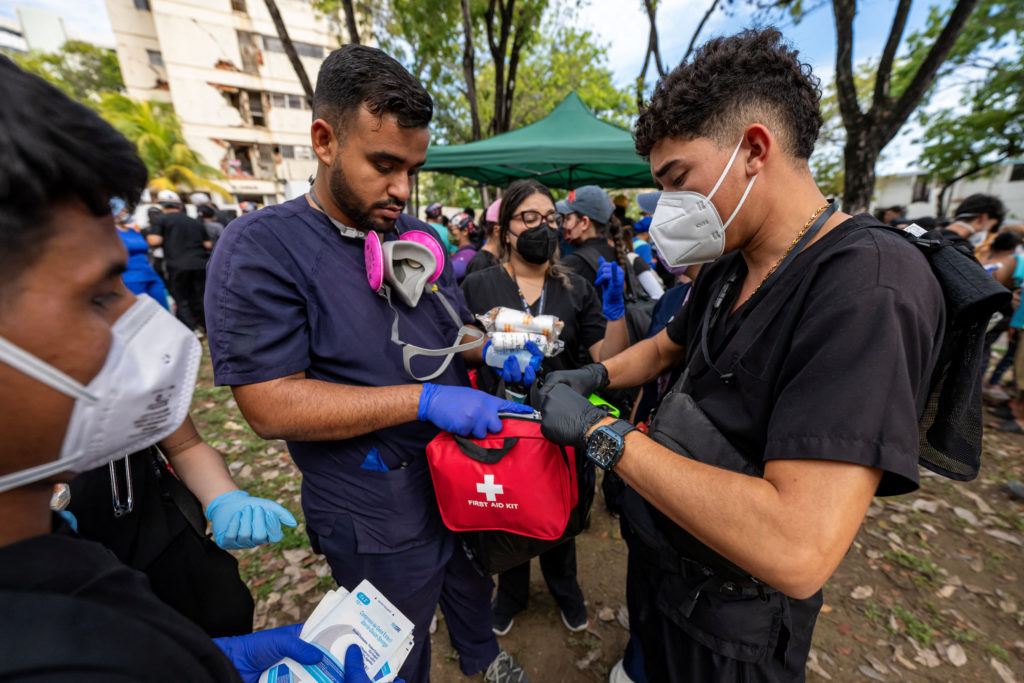
Aid organizations are sounding the alarm over a deepening humanitarian crisis in Venezuela, where the healthcare system is struggling to cope nearly a week after two major earthquakes. Damaged and understaffed hospitals are overwhelmed with injured survivors, while deteriorating conditions in the disaster zones are fueling the spread of infectious diseases.
The Venezuelan healthcare system, strained by decades of underinvestment and years of economic crisis is 'under extreme pressure now, with facilities operating beyond the capacity of the surge of the trauma cases.'
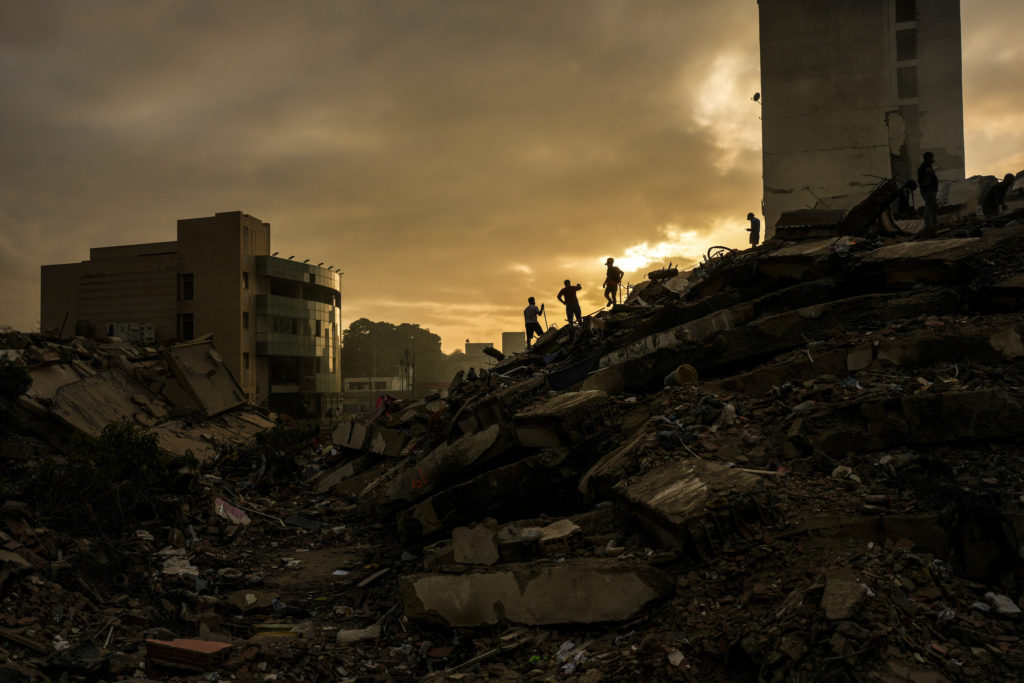
International and domestic rescue teams continue to search for survivors, with the official death toll exceeding 1,700 and more bodies being recovered from the rubble. However, a significant humanitarian crisis is unfolding among the living. United Nations agencies have expressed concern for the health of thousands of displaced individuals sleeping in the open or in crowded, unsanitary shelters.
Venezuelan officials report that over 15,800 people have been affected by the earthquakes, a figure representing the number of displaced individuals, according to the UN refugee agency. Many of those displaced in the hardest-hit state of La Guaira are facing severe food shortages. The World Health Organization warned that displaced Venezuelans without access to sanitation, clean water, or adequate food are increasingly vulnerable to preventable diseases like measles, especially given the population's low vaccination rates. Conditions are also ripe for waterborne illnesses such as dengue, yellow fever, and malaria to spread.
Findings reveal chaotic service delivery and patient flow, marked by overcrowding, growing surgical backlogs ... and a breakdown in biosafety measures.
The Venezuelan healthcare system, already strained by decades of underinvestment and economic crisis, is now under "extreme pressure." The WHO noted that last week's earthquakes damaged or compromised 38 hospitals nationwide. Of the 21 facilities evaluated so far, three are non-operational, and six others are damaged, with the remaining facilities struggling to handle the influx of trauma cases. The absence of many specialist doctors, including those responsible for maternity care in La Guaira, further complicates healthcare access in a country where millions have fled in recent years.
the collapse of forensic and morgue services and inadequate casualty registration.
DistantNews Editorial
Originally published by PBS NewsHour. Summarized and contextualized by our editorial team with added local perspective. Read our editorial standards.
More Stories


From Our Blog

How the Same Story Looks Different in Different Countries

What Gets Lost (and Found) When News Is Translated

The Critical Role of Diaspora Media in Global News

What Travellers Should Know About Countries with Restricted Press

A Digital Nomad's Guide to Following Local News
