


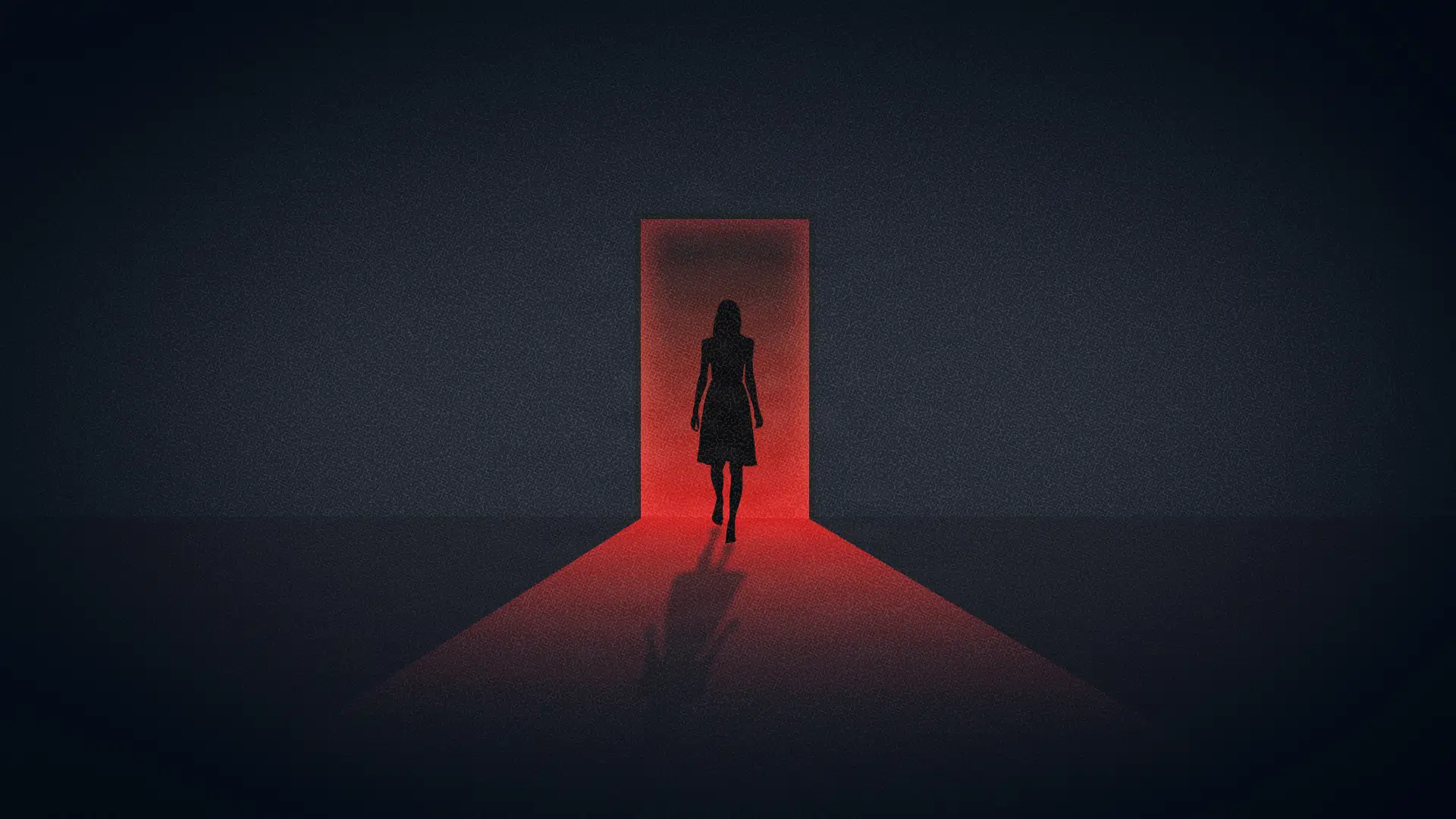
Aisha went into hiding. Now she says: “Girls like me are not forgiven until we end up in the grave”
Translated from Danish and summarized by DistantNews. Read the original for the full story.
At a glance
In-depth
Named sources
Context piece
- Aisha, a pseudonym, describes growing up in an isolated and violent Muslim environment in a Danish ghetto in a new book.
- She lives in hiding because she fears for her life and says social control and honor-related violence receive too little attention in Denmark.
- She wants her daughter and other Arab girls to have lives different from her own.
Aisha does not use her real name, and she does not live under the name she once used. She speaks through the encrypted messaging service Signal because she fears for her life.
The woman describes her upbringing in what the article calls an extremely isolated and violent Muslim environment in a Danish ghetto. In a new book, she argues that Denmark’s reluctance to confront social control and honor-related violence leaves girls like her without protection.
She says she is fighting for her daughter and for other Arab girls to have a different life from the one she experienced. Her identity and location remain concealed. Even during the interview, she would not say where she was, and care was taken not to write or say anything that could identify her.
Aisha appeared on camera during the conversation, but the interview took place through Signal. The setting visible behind her looked like a child’s room. “Girls like me are not forgiven until we end up in the grave,” she says.
Girls like me are not forgiven until we end up in the grave.
About this summary
Originally published by Berlingske in Danish. Translated, summarized, and contextualized automatically by DistantNews, with a note on how the source frames the story. Not individually reviewed before publishing. How this works.
More Stories

From Our Blog

What Gets Lost (and Found) When News Is Translated

The Critical Role of Diaspora Media in Global News

What Travellers Should Know About Countries with Restricted Press

A Digital Nomad's Guide to Following Local News

How the Same Story Looks Different in Different Countries
