

AJK violence
Summarized and contextualized by DistantNews.
At a glance
News
Sources not specified
Ongoing story
- Azad Kashmir has experienced severe disruptions and violence since early June due to protests by the Joint Awami Action Committee (JAAC).
- The protests, focused on governance and economic issues, have resulted in approximately 30 deaths, including security personnel and protesters.
- A deadlock persists over the JAAC's demand to abolish legislative seats for refugees from India-held Kashmir, while the group has launched a 'long march' on Muzaffarabad.
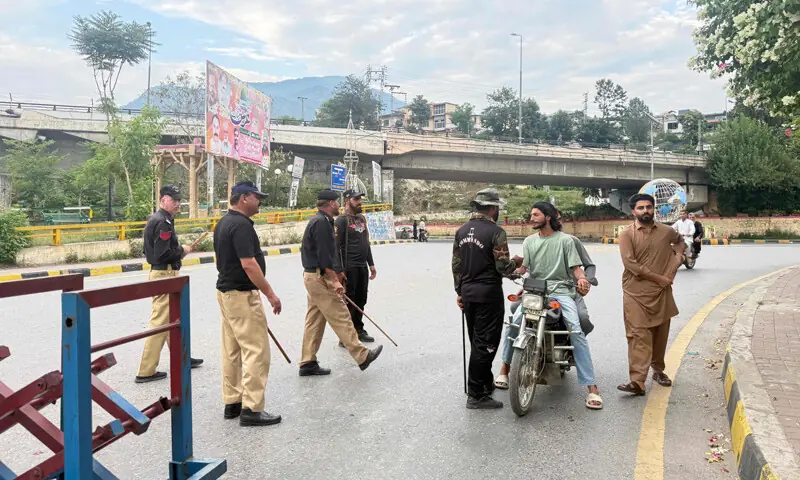
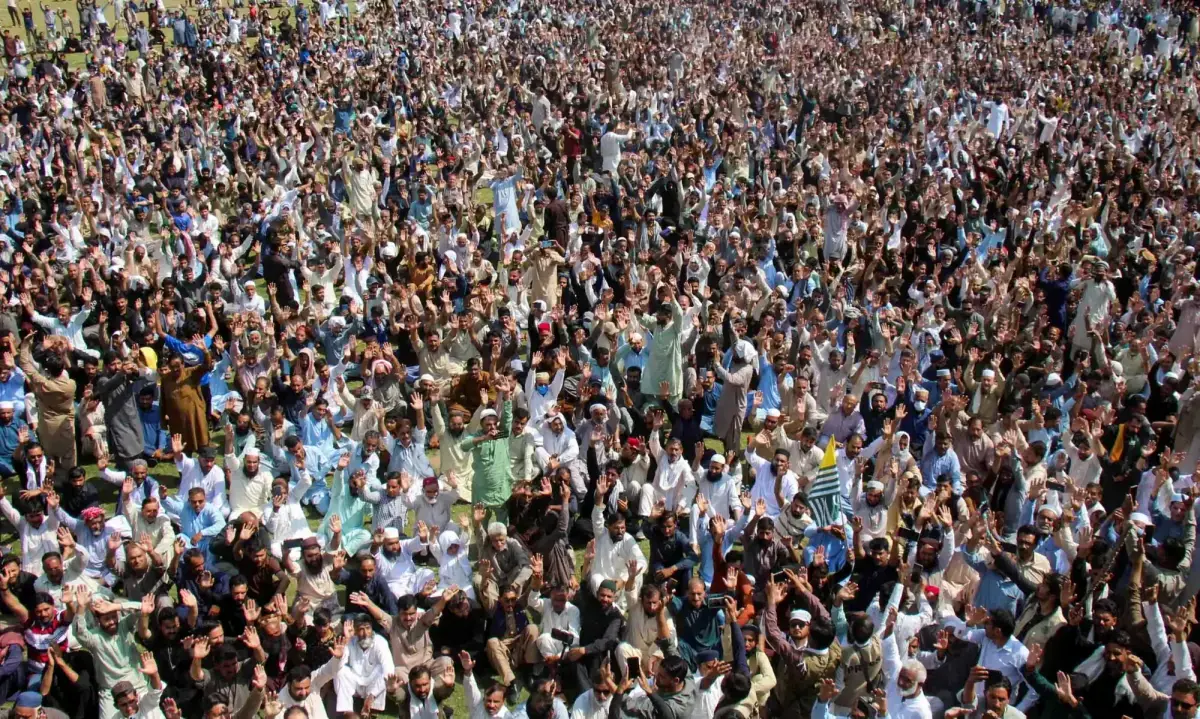
Azad Kashmir has been on edge since early June as authorities attempt to quell protests by the now-proscribed Joint Awami Action Committee (JAAC), a coalition of political and civil society groups. The ongoing unrest has severely disturbed daily life, with violent confrontations claiming the lives of around 30 individuals, encompassing both security forces and protesters. Rawalakot, the epicenter of the movement, has been under curfew for approximately six weeks. The JAAC initially presented demands centered on governance and economic matters, many of which authorities accepted. However, a significant impasse has emerged over the JAAC's call to abolish legislative seats designated for refugees from India-held Kashmir. This specific demand has created a deadlock in negotiations. The situation escalated on Tuesday with violent clashes resulting in at least nine fatalities. On Wednesday, the JAAC initiated its 'long march' towards Muzaffarabad, the administrative capital. Stakeholders are urged to prioritize the restoration of calm, given the considerable loss of life among both law enforcement agencies and civilians.
DistantNews Editorial
Originally published by Dawn. Summarized and contextualized by our editorial team with added local perspective. Read our editorial standards.
More Stories
From Our Blog

What Gets Lost (and Found) When News Is Translated

The Critical Role of Diaspora Media in Global News

What Travellers Should Know About Countries with Restricted Press

A Digital Nomad's Guide to Following Local News

How the Same Story Looks Different in Different Countries
