

AKP Official Criticizes Sözcü TV Broadcast, Accuses Journalists of Imposing Views
Translated from Turkish, summarized and contextualized by DistantNews.
At a glance
News
Official statement
Context piece
- AK Party official Mahir Ünal criticized Sözcü TV's broadcast featuring Kemal Kılıçdaroğlu, accusing the journalists of imposing their views.
- Ünal argued that the questioning style aimed to corner the interviewee rather than seek answers, calling it a deviation from journalistic principles.
- He asserted that media loses its public function when it forces affiliations, becoming a tool rather than a platform for ideas.
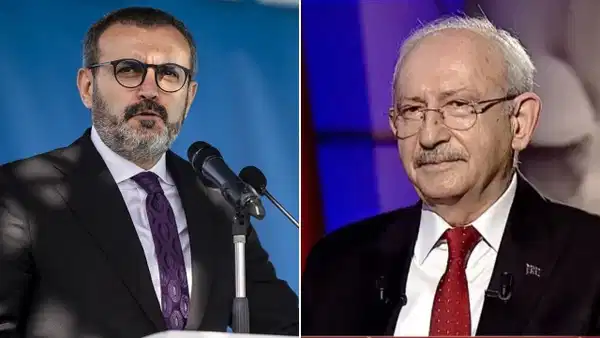
AK Party Central Decision-Making and Executive Board (MKYK) member Mahir Ünal has sharply criticized a broadcast on Sözcü TV featuring Kemal Kılıçdaroğlu, the CHP chairman appointed by court order. Ünal issued a written statement accusing the journalists of failing to adhere to reporting principles and attempting to force their own narratives onto the interviewee.
Asking questions is one thing, but trying to force the person being questioned into your own opinion is another.
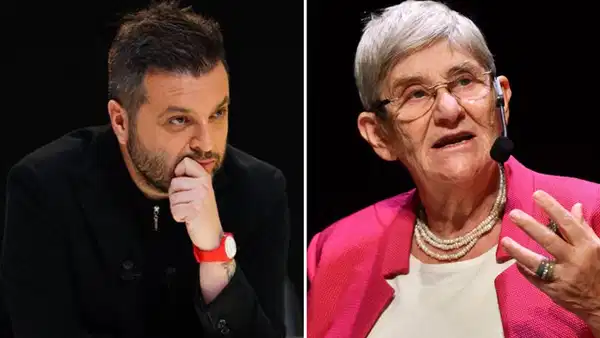
Kılıçdaroğlu was responding to questions from journalists Barış Terkoğlu, Senem Toluay Ilgaz, and Aslı Kurtuluş Mutlu on the program. Ünal contended that the nature of the questions and the overall presentation style did not align with journalistic ethics. "Asking questions is one thing, but trying to force the person being questioned into your own opinion is another," Ünal stated, characterizing the broadcast as an "imposition" that continued until the desired answers were obtained.
Ünal elaborated on his criticism, stating, "A stance that threatens to keep asking until they get the answer they want is not journalism. A journalist is someone who seeks answers, not someone who imposes them. Media is public to the extent that it creates space for ideas. The moment it produces forced affiliation for individuals, it loses its public character and turns into an apparatus. This is exactly what is happening today."
A stance that threatens to keep asking until they get the answer they want is not journalism. A journalist is someone who seeks answers, not someone who imposes them.
He further argued that those who have long categorized Turkish media as "pro-government and independent" are now revealing their own "forced dependency" under the guise of independence. Ünal pointed to the Sözcü TV broadcast as an example of media practice speaking the language of "forced affiliation" rather than an independent stance. He criticized the perceived hypocrisy of those who once accused others of being "pro-government" but now fail to maintain critical distance when defending individuals whose alleged wrongdoings have been exposed.
Media is public to the extent that it creates space for ideas. The moment it produces forced affiliation for individuals, it loses its public character and turns into an apparatus. This is exactly what is happening today.
"The most dangerous thing is that this is becoming normalized. Because echo chambers are not just built in politics; the media also builds its own echo chamber," Ünal warned. He described a situation where the same sentences are repeated, the same opinions are circulated, and different voices are preemptively rejected, allowing collective approval to replace truth. Ünal concluded that truth requires the ethics of maintaining equal distance from everyone at all times.
The most dangerous thing is that this is becoming normalized. Because echo chambers are not just built in politics; the media also builds its own echo chamber.
DistantNews Editorial
Originally published by Cumhuriyet in Turkish. Translated, summarized, and contextualized by our editorial team with added local perspective. Read our editorial standards.
More Stories
From Our Blog

What Gets Lost (and Found) When News Is Translated

The Critical Role of Diaspora Media in Global News

What Travellers Should Know About Countries with Restricted Press

A Digital Nomad's Guide to Following Local News

How the Same Story Looks Different in Different Countries
