


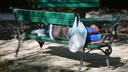
Alarming Warning from Zagreb: 'Five Homeless Veterans Died in Less Than a Month Before New Year's'
Translated from Croatian, summarized and contextualized by DistantNews.
At a glance
News
Sources not specified
Context piece
- Five homeless veterans died in Zagreb in less than a month before New Year's, highlighting a critical lack of support.
- Activists warn of insufficient shelter capacity and inadequate social and health care for the homeless population.
- Police actions, including dispersing homeless individuals and imposing bans, are criticized as inhumane.
A dire situation for homeless veterans in Zagreb has come to light, with five individuals dying in less than a month leading up to New Year's. Vesna Ribarić of the "Od srca do srca za potrebite" (From Heart to Heart for the Needy) initiative sounded the alarm, emphasizing that the problem extends beyond a lack of shelter. Many homeless individuals are elderly and sick, and Ribarić stressed that they deserve dignity.
You can't know what will happen in life – a crash, alcohol, whatever. And these people still deserved some dignity.
Ribarić highlighted the inadequacy of current facilities. Zagreb has approximately 115 places in shelters in Velika Kosnica and Sesvetski Kraljevac, with additional overnight beds available. However, she argues that this is insufficient, particularly lacking comprehensive daytime accommodation and integrated social and health services. She pointed out that some homeless individuals are suffering from untreated medical conditions, like broken limbs, making it impossible to sleep in public restrooms.
Before New Year's, in less than a month, five homeless veterans died.
The initiative also criticizes the actions of the police, who have reportedly dispersed homeless people from public spaces like parks and train stations. Some individuals have allegedly faced interrogations, travel bans in certain city areas, and fines. Ribarić questioned the city's proposed solutions, such as directing homeless people to swimming pools or galleries during heatwaves, calling them "fairy tales for small children." She questioned who would allow a homeless person, unbathed and with belongings, into such establishments.
Who will let a homeless person with bags or a cart, who hasn't bathed for days, into a gallery?
Ribarić urged local authorities to prioritize the care of the homeless, drawing positive examples from Pula, Rijeka, and the Split association Most. She stated that Zagreb, as the largest city with the greatest financial capacity, must make the accommodation of its homeless population a top priority. "For me, a person is the priority," she concluded, calling for political will and budgetary planning to ensure the well-being of this vulnerable group.
For me, a person is the priority.
DistantNews Editorial
Originally published by Večernji List in Croatian. Translated, summarized, and contextualized by our editorial team with added local perspective. Read our editorial standards.
More Stories



From Our Blog

What Gets Lost (and Found) When News Is Translated

The Critical Role of Diaspora Media in Global News

What Travellers Should Know About Countries with Restricted Press

A Digital Nomad's Guide to Following Local News

How the Same Story Looks Different in Different Countries
