

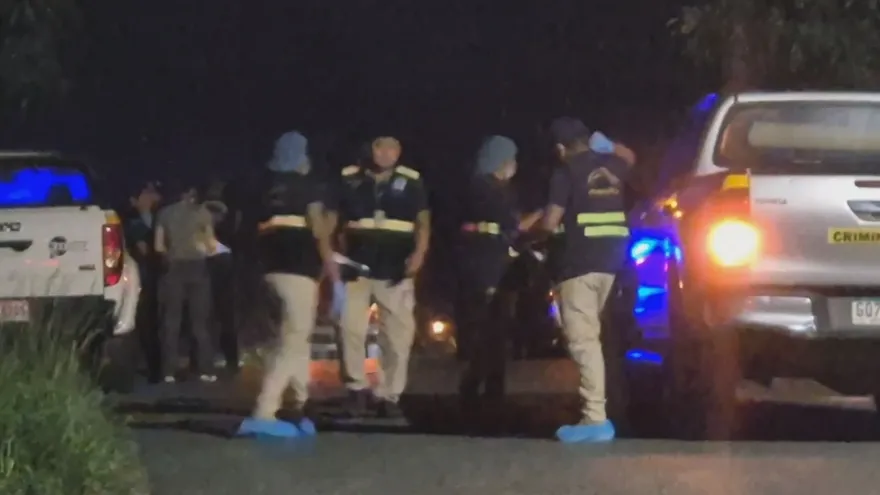

Alas Chiricanas Case: Criminal Court Denies Statute of Limitations for Main Suspect Ali Zaki Hage
Translated from Spanish, summarized and contextualized by DistantNews.
At a glance
News
Official statement
In the courts
- Panama's Supreme Court rejected a bid to dismiss the prosecution of Ali Zaki Hage Jalil and two others for the 1994 Alas Chiricanas bombing.
- The court ruled that terrorism offenses, including those against humanity, are not subject to prescription under Panamanian law.
- Hage Jalil remains detained, facing charges related to terrorism and collective security, while his defense seeks to review his provisional detention.
Panama's Supreme Court has upheld a lower court's decision, rejecting a motion to dismiss the criminal case against Ali Zaki Hage Jalil and two other individuals accused in the 1994 bombing of Alas Chiricanas flight 901. The Second Criminal Chamber of the Supreme Court confirmed that the statute of limitations does not apply to terrorism charges, particularly those classified as crimes against humanity.
The ruling, documented in Resolution No. 82 issued on August 7, 2026, reaffirms the Superior Tribunal for the Liquidation of Criminal Cases' prior decision. The magistrates denied appeals presented by Hage Jalil's legal team, ensuring that the legal process against him will continue. This decision aligns with Panamanian penal law, which states that penalties for terrorism and crimes against humanity do not expire.
Hage Jalil faces charges including intentional homicide with terrorist characteristics and offenses against collective security, specifically related to acts against transportation and communication. He is currently held under strict security measures at the Directorate of Judicial Investigation (DIJ) pending the resolution of his case. His defense has requested a review of his provisional detention, arguing for his innocence and questioning the evidence presented by the Public Ministry. The defense also contends that the case should be processed under the newer Adversarial Criminal Justice System (SPA), which came into effect in January 2018.
DistantNews Editorial
Originally published by TVN Panamá in Spanish. Translated, summarized, and contextualized by our editorial team with added local perspective. Read our editorial standards.
More Stories


From Our Blog

What Gets Lost (and Found) When News Is Translated

The Critical Role of Diaspora Media in Global News

What Travellers Should Know About Countries with Restricted Press

A Digital Nomad's Guide to Following Local News

How the Same Story Looks Different in Different Countries
