

Alberta expands cancer treatment access with new Calgary radiopharmaceutical facility
Translated from English and summarized by DistantNews. Read the original for the full story.
At a glance
News
Named sources
Ongoing story
- A new radiopharmaceutical centre and cyclotron are under construction in Calgary to improve cancer treatment access for southern Alberta patients.
- The facility will reduce delays caused by the short half-life of radioisotopes, which currently require transport from Edmonton.
- Advanced treatments like theranostics, using radiopharmaceuticals for precise cancer targeting, will become more accessible, minimizing side effects and improving patient tolerance.
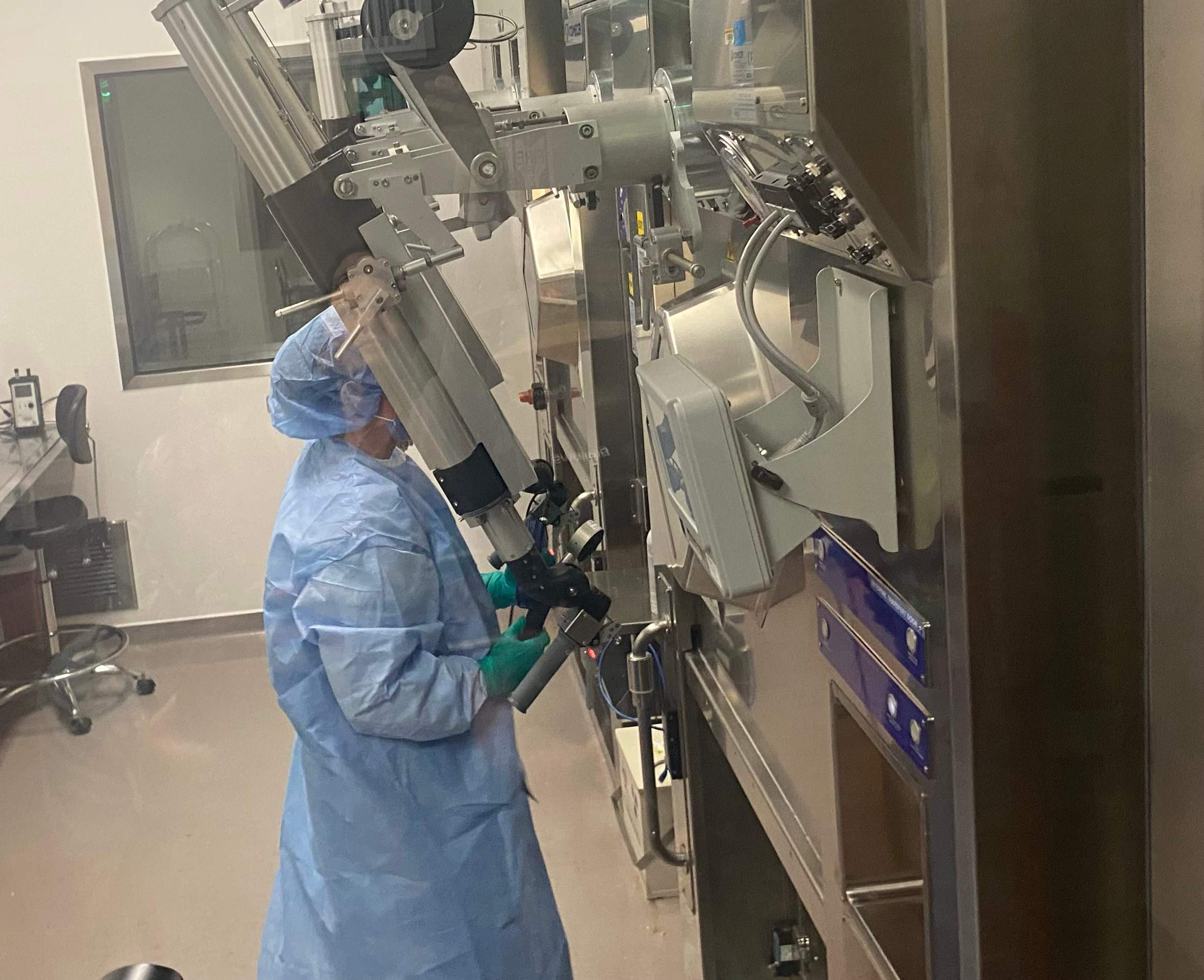
Alberta is enhancing cancer patient care with the construction of a new radiopharmaceutical centre and cyclotron in Calgary. This facility aims to provide timely access to crucial treatments for individuals in southern Alberta, addressing logistical challenges associated with the production and delivery of radioactive materials.
We have to do it every day, or even two or three times a day for each clinic.
Currently, two cyclotrons in Edmonton produce the radioactive isotopes essential for medical imaging and cancer therapies. However, the short half-lives of these radioisotopes, approximately 109 minutes, mean significant material is lost during the three-and-a-half-hour transport to Calgary. The new Calgary site, announced in 2021 and adjacent to the Tom Baker Cancer Centre, will house a third cyclotron, enabling localized production.
We lose a lot when we go to Calgary. It’s a three-and-a-half-hour drive.
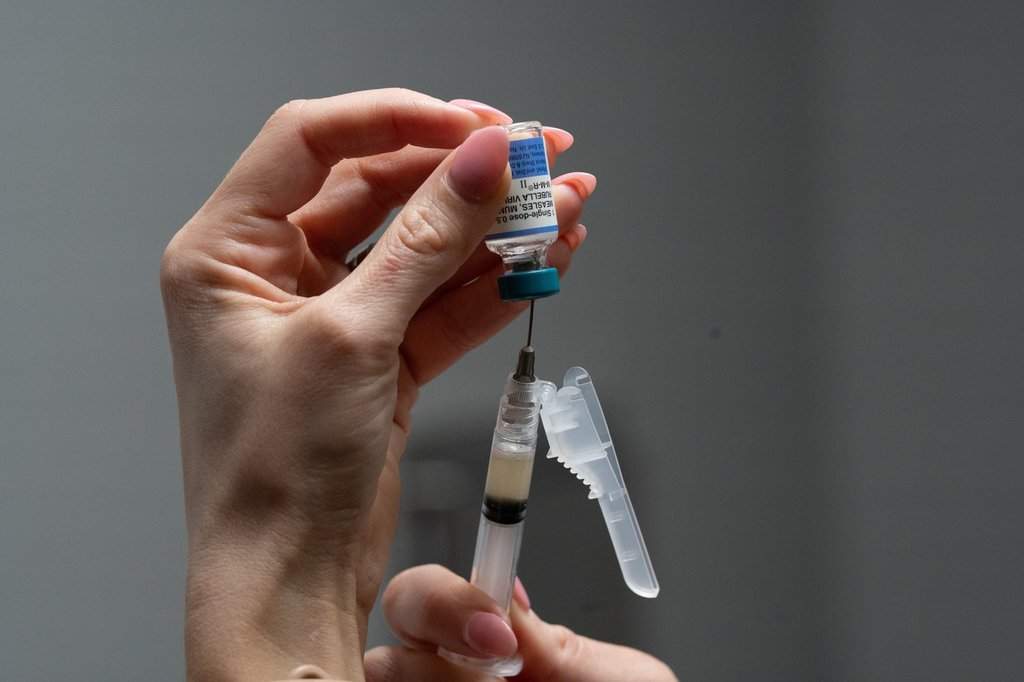
This expansion is particularly significant for advanced treatments like theranostics, which utilize radiopharmaceuticals as highly targeted agents to track and treat certain cancers. Dr. Stella Koumna, a nuclear medicine specialist, explained that this precise approach spares healthy tissues, thereby minimizing side effects and improving patient tolerance. Patients undergoing these treatments often report better toleration and fewer adverse reactions compared to traditional therapies.
By using this precise oncology type of approach, we spare largely physiologic tissues and thus minimizing side effects. What we get as a benefit out of this approach is that the patients tolerate the treatment well with minimal side effects.
Ron Ohlmann, a prostate cancer patient, shared his positive experience with a theranostic treatment called Pluvicto. After completing his sixth treatment, his PSA count, an indicator of prostate cancer, reached normal levels for the first time in six years. Ohlmann expressed profound gratitude for the treatment, noting it has alleviated pain and allowed him a period of respite, highlighting the life-changing impact of these innovative therapies.
The chemo helped and certainly I’m grateful for the chemo because I’m still here, but the Pluvicto has taken all that pain away.
About this summary
Originally published by Global News in English. Translated, summarized, and contextualized automatically by DistantNews, with a note on how the source frames the story. Not individually reviewed before publishing. How this works.
More Stories



From Our Blog

What Gets Lost (and Found) When News Is Translated

The Critical Role of Diaspora Media in Global News

What Travellers Should Know About Countries with Restricted Press

A Digital Nomad's Guide to Following Local News

How the Same Story Looks Different in Different Countries
