


Alberta's self-referral health test program faces clinic and technician skepticism
Translated from English, summarized and contextualized by DistantNews.
At a glance
News
Sources not specified
New plan
- Alberta's new self-referral program for diagnostic imaging tests faces skepticism from clinics and technicians due to concerns about capacity and potential misuse.
- Technicians warn there are not enough medical radiation technologists to meet the increased demand, potentially exacerbating existing wait times.
- Clinics are adopting a wait-and-see approach, while concerns exist that patients without a history of cancer might book tests, lengthening waits for higher-risk individuals.
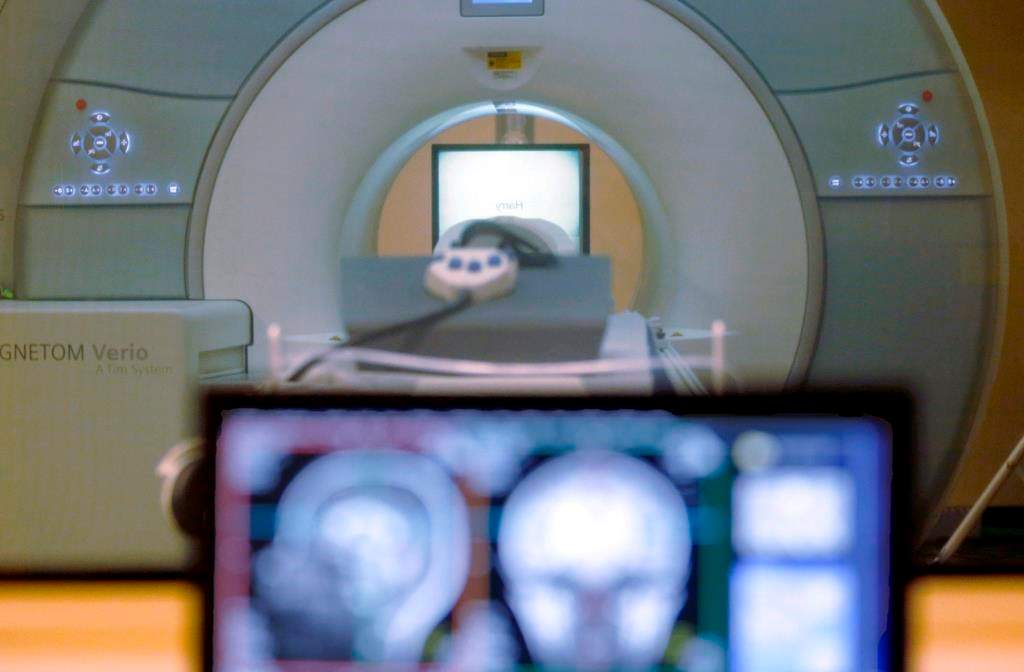
Alberta's new self-referral system for diagnostic imaging tests, launched last Friday, is met with caution by some medical clinics and significant skepticism from the technicians who operate the machines. The program allows patients to book and pay for tests like MRIs and CT scans privately, bypassing the need for a doctor's referral, with the province offering reimbursement if a previously undiagnosed cancer is found.
However, a major concern is the province's capacity to handle the anticipated increase in demand. Gina McRae, Alberta provincial manager for the Canadian Association of Medical Radiation Technologists, stated, "The fact is we do not have enough (medical radiation technologists) in Alberta to support the number of diagnostic imaging exams that are being asked of us right now." Technicians were already operating at their limits before the program's introduction, and McRae questions how they will manage the new demand.
The fact is we do not have enough (medical radiation technologists) in Alberta to support the number of diagnostic imaging exams that are being asked of us right now.
Her organization's survey last year indicated a shortage of about 202 full-time equivalent technologists, a number projected to double by 2028. Adding to the concern is the potential for individuals with no history of cancer to book appointments, thereby extending wait times for those in the public system who are at a higher risk of the disease. Some clinics are reportedly declining bookings as they navigate the policy's implementation.
The province's stated goal is to incentivize private investment in imaging machines and reduce overall wait times. However, data from the Canadian Institute for Health Information shows that median wait times for MRIs in Alberta have been worsening since 2020, reaching a 72-day median last year. The effectiveness and feasibility of the new self-referral model remain uncertain amidst these existing challenges.
We’re very curious about how we’re going to be able to meet the new demands as more and more people are able to self-refer.
DistantNews Editorial
Originally published by Global News in English. Translated, summarized, and contextualized by our editorial team with added local perspective. Read our editorial standards.
More Stories

From Our Blog

What Gets Lost (and Found) When News Is Translated

The Critical Role of Diaspora Media in Global News

What Travellers Should Know About Countries with Restricted Press

A Digital Nomad's Guide to Following Local News

How the Same Story Looks Different in Different Countries
