


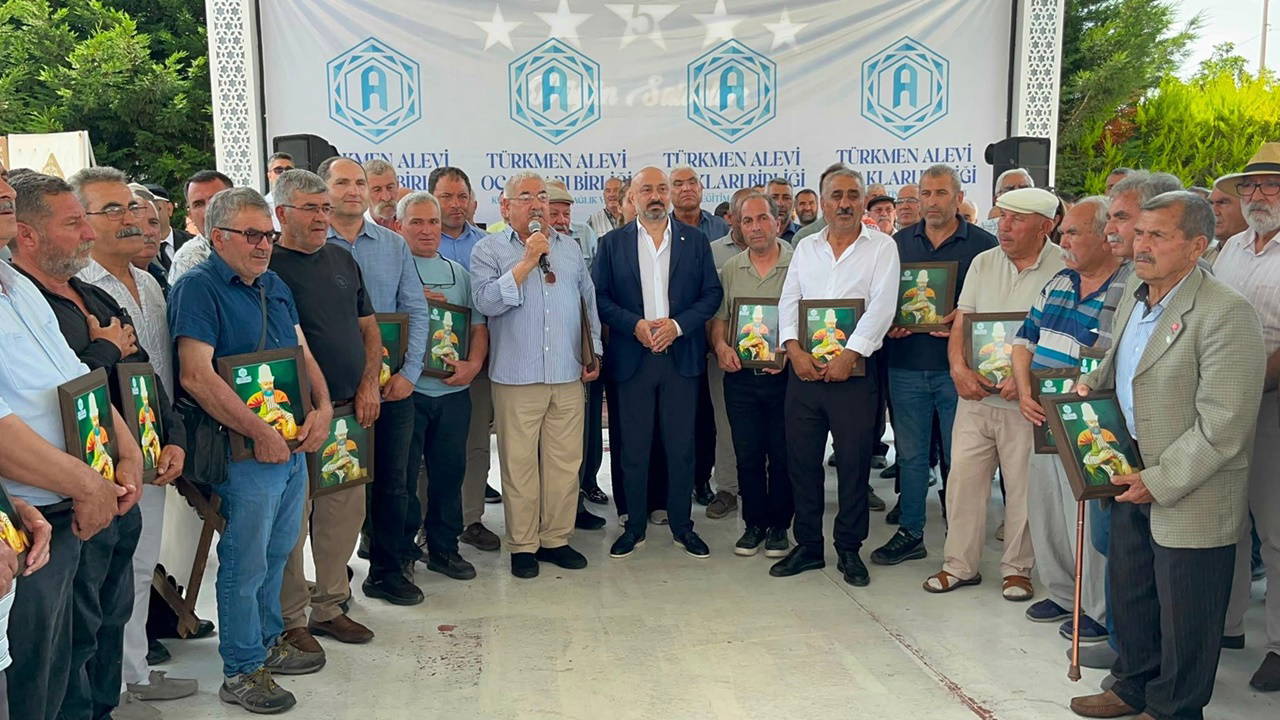
Alevi-Bektashi leaders meet in Western Anatolia to discuss tradition and future
Translated from Turkish, summarized and contextualized by DistantNews.
At a glance
In-depth
Sources not specified
Context piece
- A meeting of Alevi-Bektashi community leaders, academics, and representatives was held in Western Anatolia.
- Discussions focused on the current state of the Alevi-Bektashi tradition, the future of the 'ocak' system, cultural heritage preservation, and engaging younger generations.
- Ali Coşkun, head of the Turkish Turkmen Ocakları Union Culture Education and Health Foundation, emphasized the importance of shared memory and unity within the community.
A significant consultative meeting, considered one of the most comprehensive regional gatherings, brought together numerous elders, community leaders, academics, and Alevi-Bektashi society members from various parts of Western Anatolia, including İzmir, Balıkesir, and Manisa. The discussions centered on critical issues facing the community today. Key topics addressed included the contemporary state of the Alevi-Bektashi faith tradition, the future trajectory of the 'ocak' system (a form of spiritual lineage and community organization), the preservation of cultural heritage, and strategies for connecting younger generations with their faith and cultural values. The importance of strengthening inter-institutional solidarity and developing collaborative work areas was also highlighted. Ali Coşkun, President of the Turkish Turkmen Ocakları Union Culture Education and Health Foundation, delivered the opening address. He stressed that the meeting should not be viewed merely as a regional event but as a critical reflection on a faith and cultural tradition that has endured for centuries in Anatolia. Coşkun underscored the Alevi-Bektashi doctrine's human-centric approach to life, defining the 'ocak' system not just as a religious structure but as a vital institution fostering social solidarity, ethics, and cultural continuity. Coşkun further noted that the Ocaklar and Tekkes operating across Anatolia and the Balkans draw from a common spiritual heritage, with the path of wisdom extending from Hoca Ahmet Yesevi to Hünkâr Hacı Bektaş Veli continuing to resonate in the hearts of millions. The meeting also delved into the historical roles of the Tahtacı Turkmen and Çepni Turkmen communities, significant social components of Western Anatolia. Their journey from Khorasan to Anatolia was presented not just as a migration but as a process of carrying their culture, beliefs, and way of life, alongside their labor, to new lands. The Çepni Turkmen's historical contribution to the Turkification, settlement, and cultural formation of Anatolia was emphasized, particularly highlighting their role as carriers of the region's cultural memory in the Balıkesir, Manisa, and İzmir areas. Coşkun concluded by stating that Alevism and Bektashism are shared cultural values of Anatolia, not exclusive to a single group, and stressed the paramount importance of strengthening unity and solidarity among community members and faith leaders who draw from the same spiritual source.
DistantNews Editorial
Originally published by Cumhuriyet in Turkish. Translated, summarized, and contextualized by our editorial team with added local perspective. Read our editorial standards.
More Stories


From Our Blog

What Gets Lost (and Found) When News Is Translated

The Critical Role of Diaspora Media in Global News

What Travellers Should Know About Countries with Restricted Press

A Digital Nomad's Guide to Following Local News

How the Same Story Looks Different in Different Countries
