

Alevi Leader Criticizes Government Appointments to New Presidency
Translated from Turkish, summarized and contextualized by DistantNews.
At a glance
News
Sources not specified
Context piece
- Turkey's Ministry of Tourism established an Alevi-Bektashi Culture and Cemevi Presidency, appointing eleven advisory board members.
- Turgut Öker criticized the appointments, stating they were made without community consent and do not represent the Alevi people's will.
- Öker argued the board reflects the government's agenda rather than genuine Alevi representation, likening it to a state-controlled religious structure.
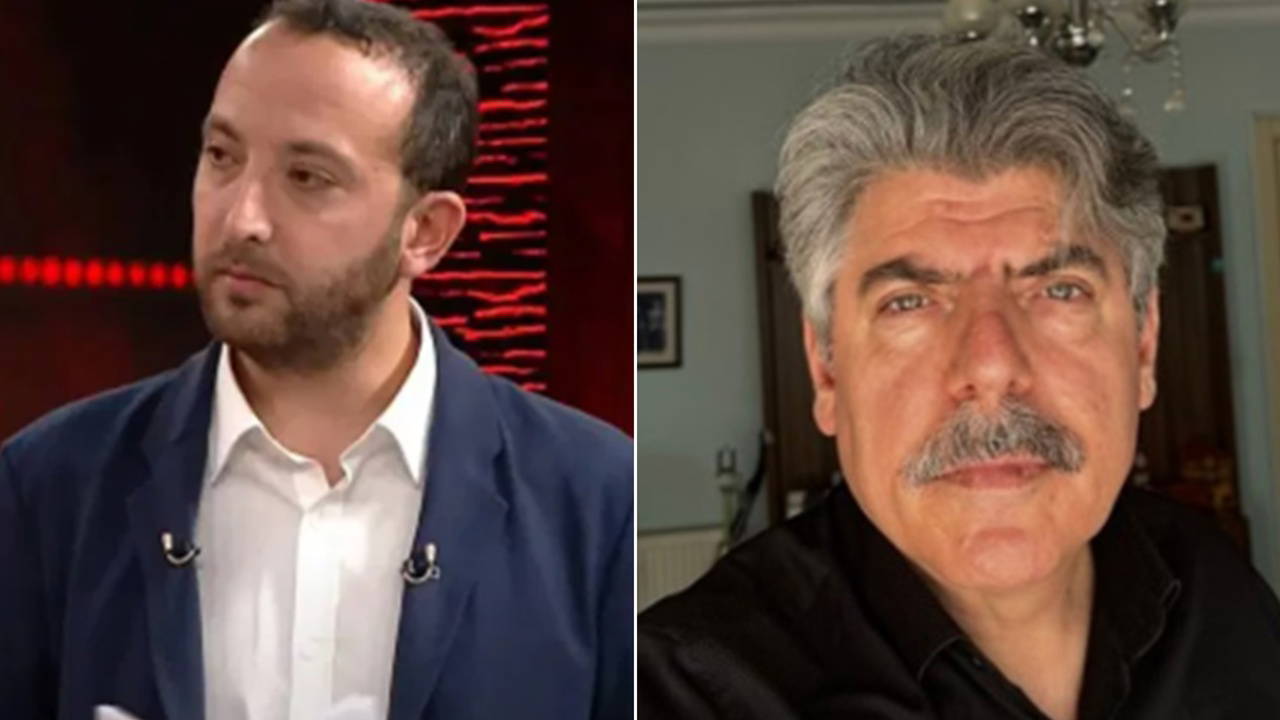
Turkey's Ministry of Tourism has established an Alevi-Bektashi Culture and Cemevi Presidency, appointing eleven individuals to an advisory board. The appointments, made via a presidential decree, include figures such as Metin Tarhan, Selahattin Özgündüz, and Serdar Gazi Karababa.
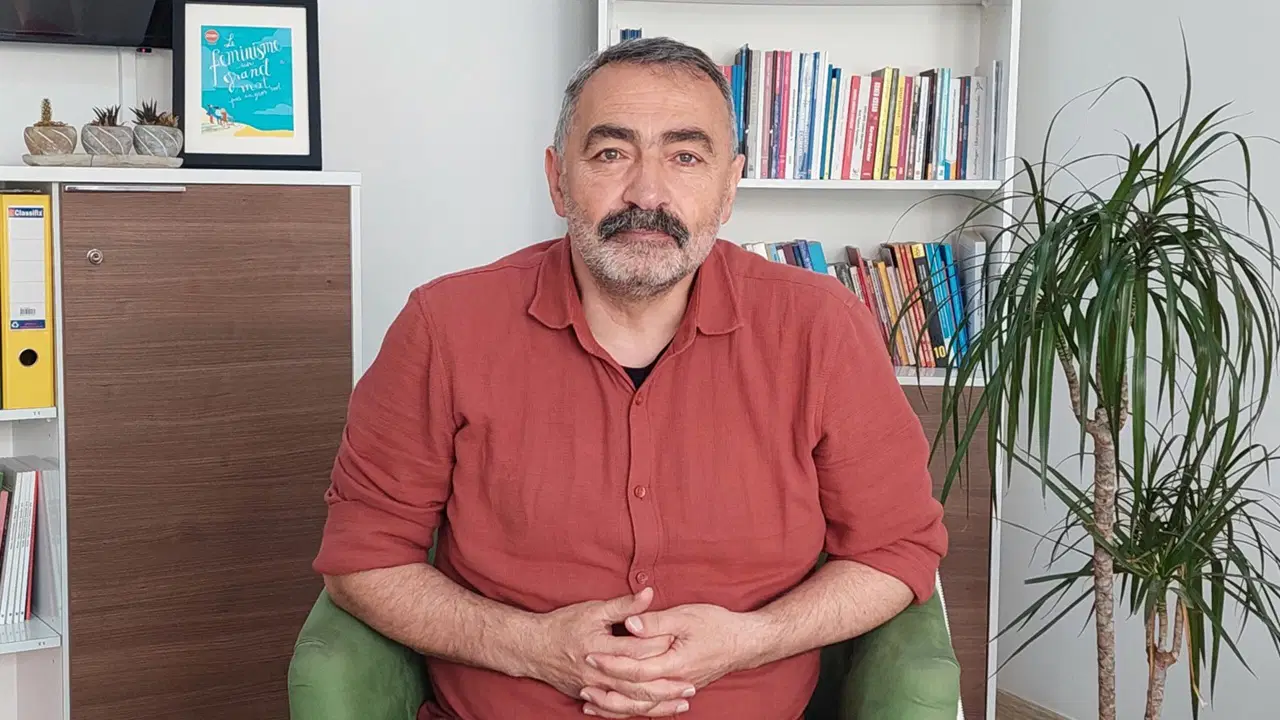
Turgut Öker, a prominent voice within the Alevi community, strongly criticized the move. He stated that the appointments were made "from above" without consulting or gaining the consent of Alevi institutions and representatives. Öker expressed no surprise at the chosen individuals, asserting they have offered no benefit to the Alevi community and have historically used the community's faith and identity for personal gain.
Öker further argued that this appointed board does not represent the will of the Alevi people but rather the "Saray's (palace's) Alevi policy." He emphasized that Alevi representatives cannot be determined by President Erdoğan, and that those appointed by the state represent the political power that appointed them, not the community itself. He contrasted this with the Alevi tradition of choosing representatives through consensus and democratic elections, stating, "In Alevism, representation arises not from a position given by the palace, but from the consent given by the community."
Highlighting the move to place Cemevis under the Ministry of Tourism, Öker described it as a denial of Alevism as a faith, reducing it to a cultural spectacle. He believes the government's aim is not to solve Alevi issues but to create a new, state-aligned form of Alevism. "The state's Alevi, the state's dede (elder), the state's cemevi, and the state's representative are being created," he stated, suggesting this aligns with a Turkish-Islamic synthesis approach that co-opts Alevi identity.
Atananlara baktığımızda şaşırmıyoruz. Bunların Alevi toplumuna toplu iğnenin başı kadar faydası olmamıştır. Hiçbir toplumsal mücadelenin içinde yer almamışlardır.
DistantNews Editorial
Originally published by Cumhuriyet in Turkish. Translated, summarized, and contextualized by our editorial team with added local perspective. Read our editorial standards.
More Stories


From Our Blog

What Gets Lost (and Found) When News Is Translated

The Critical Role of Diaspora Media in Global News

What Travellers Should Know About Countries with Restricted Press

A Digital Nomad's Guide to Following Local News

How the Same Story Looks Different in Different Countries
