

All-inclusive EV charging deals strain Denmark's power grid
Translated from Danish, summarized and contextualized by DistantNews.
At a glance
Opinion
Named sources
Context piece
- An all-inclusive electricity agreement for electric vehicle owners removes financial incentives to shift consumption to off-peak hours, straining the power grid.
- The article questions how to justify denying power to EVs when they are in high demand.
- This situation highlights ongoing challenges in balancing the electricity grid's capacity with increasing demands from various sectors.
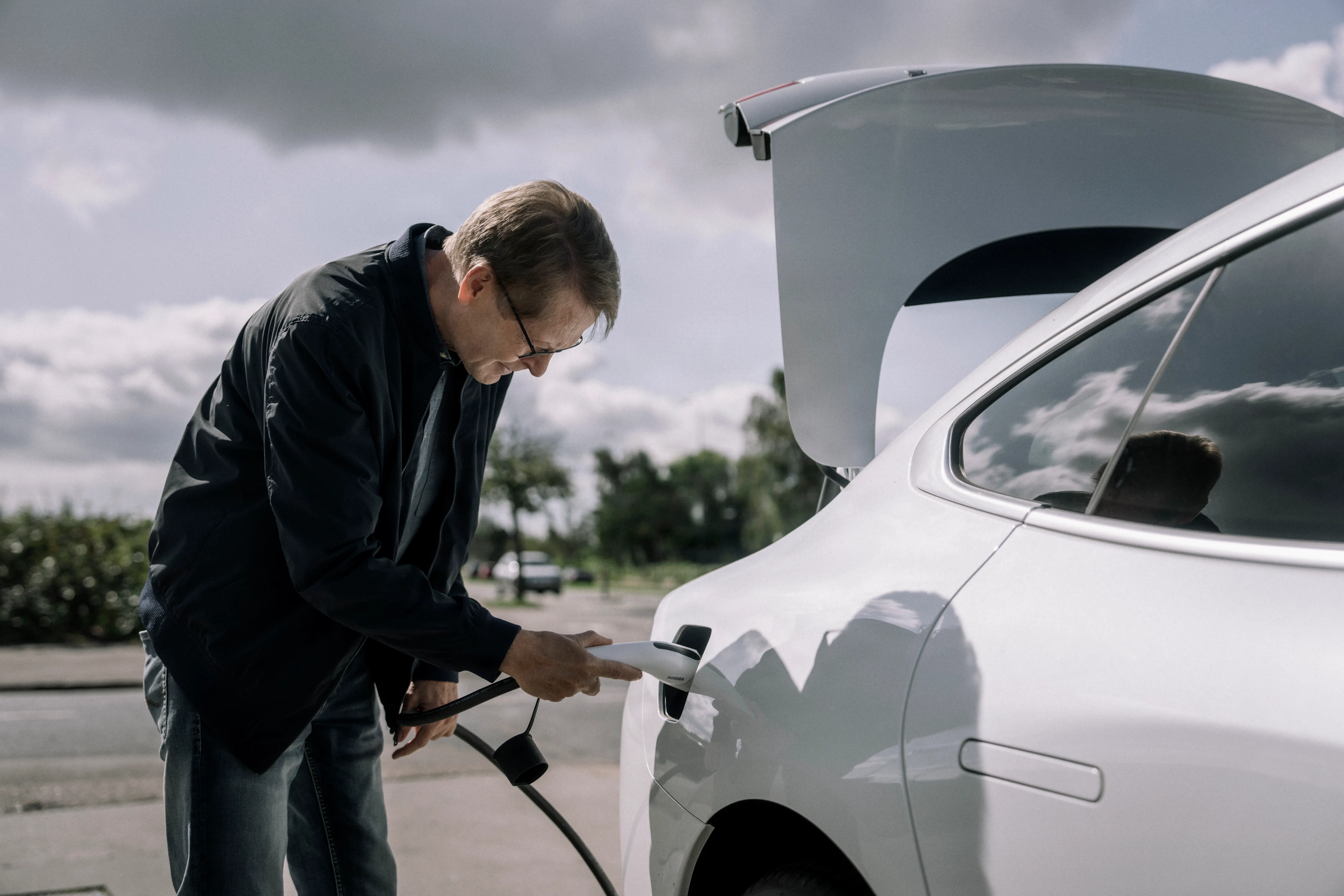
Electric vehicle owners with all-inclusive electricity agreements face a lack of financial incentive to align their charging times with periods of low demand on the power grid. This situation is contributing to strain on the national electricity network.
"Who will stand up and defend that the electric cars, which are practically queuing up to leave car dealerships today, cannot get electricity?" ask Jeppe Juul and Søren Rosenkilde Clausen in a debate piece for Berlingske.
The authors highlight the daily media coverage of the struggle to secure sufficient capacity in the electricity grid. They point to the constant competition for priority among various energy consumers, including data centers, Power-to-X facilities for green fuels, and charging operators for electric vehicles and trucks.
This debate underscores the complex challenges in managing energy resources and infrastructure to meet the growing demands of electrification and industrial development, while ensuring grid stability and reliability.
Who will stand up and defend that the electric cars, which are practically queuing up to leave car dealerships today, cannot get electricity?
DistantNews Editorial
Originally published by Berlingske in Danish. Translated, summarized, and contextualized by our editorial team with added local perspective. Read our editorial standards.
More Stories

From Our Blog

What Gets Lost (and Found) When News Is Translated

The Critical Role of Diaspora Media in Global News

What Travellers Should Know About Countries with Restricted Press

A Digital Nomad's Guide to Following Local News

How the Same Story Looks Different in Different Countries
