

Allianz pushes for cheaper car repairs using used parts in Germany
Translated from German, summarized and contextualized by DistantNews.
At a glance
News
From a news agency
Context piece
- Allianz is pushing for cheaper car repairs by advocating for the use of used parts and easier repair regulations.
- The insurer highlights expensive headlight replacements as an example, with average costs rising significantly.
- Allianz argues that using used parts and repairing components instead of replacing them with new ones can drastically reduce CO2 emissions.
The Allianz insurance group is intensifying its efforts to lower the cost of car repairs, particularly by advocating for the increased use of used parts and simplified regulations that permit more repairs. This initiative targets both the German government and automotive manufacturers, urging the industry to design parts that are repairable and for policymakers to ease restrictions.
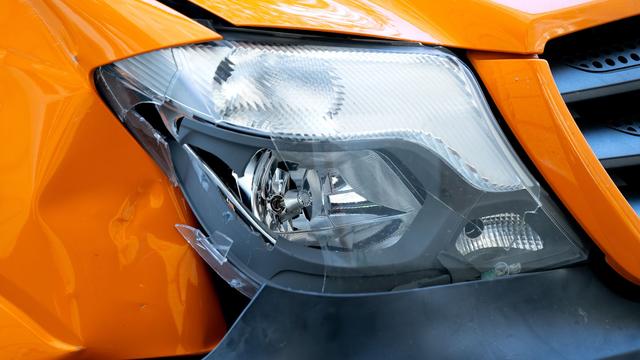
Frank Sommerfeld, CEO of Allianz Versicherungs-AG, pointed to headlights as a prime example. He noted that minor accidents, such as those occurring during parking, often lead to headlights being discarded and replaced with new ones. Allianz estimates that approximately 870,000 headlights are replaced annually in Germany. The average cost for a single headlight has surged from 708 euros in 2015 to 1,251 euros last year, depending on the car's make and model.
With every small damage, it is thrown away and replaced with a new one.
Allianz also highlighted that certain parts must be replaced with new ones due to regulatory safety requirements, even if repair is technically feasible. Christian Sahr, head of the Allianz Center for Technology, explained that while minor scratches or stone chips on headlight lenses could be repaired by specialists, German regulations currently prohibit such repairs. He contrasted this with France and other European countries where such repairs are permitted.
The insurance industry has long criticized rising prices for spare parts from car manufacturers. Data from the German Insurance Association indicates that trunk lids have more than doubled in price over the past decade, fenders have increased by over 80 percent, and windshields are about 50 percent more expensive than in 2015. These escalating costs have contributed to significant price hikes in auto insurance. Furthermore, Allianz emphasizes that using used parts or repairing components instead of replacing them with new ones could lead to a substantial reduction in CO2 emissions.
Repair is technically possible, but not permitted in Germany.
DistantNews Editorial
Originally published by Die Zeit in German. Translated, summarized, and contextualized by our editorial team with added local perspective. Read our editorial standards.
More Stories

From Our Blog

What Gets Lost (and Found) When News Is Translated

How the Same Story Looks Different in Different Countries

The Critical Role of Diaspora Media in Global News

What Travellers Should Know About Countries with Restricted Press

A Digital Nomad's Guide to Following Local News
