

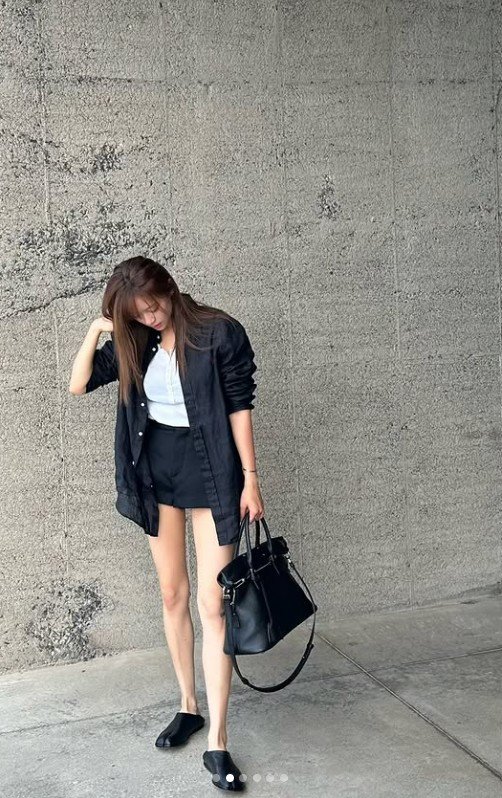

Alone but not a threat [Lee Myung-seok's 'Anyway, I'm Alone']
Translated from Korean, summarized and contextualized by DistantNews.
At a glance
Analysis
Sources not specified
Context piece
- The author reflects on feeling like a potential threat when alone in public spaces as a middle-aged man.
- This feeling stems from societal perceptions and media reports about male perpetrators.
- The author explores the anxieties of both potential victims and potential perpetrators in society.
A middle-aged man finds himself self-censoring and feeling like a potential threat when alone in public spaces, a feeling amplified by recent news reports about men luring children with music and toys. While walking in a park, the author hesitated to engage with a child who approached him, recalling a news story that made him acutely aware of his own appearance – sweaty and disheveled.
This experience prompts the author to question why he felt the need to police his own behavior. He notes that if he were accompanied by another woman or child, he likely wouldn't have felt this way. The anxiety of being alone, particularly for women and the elderly, is a common concern, but the author highlights a reverse anxiety: the fear of being perceived as a threat by others.
He recounts another incident where he was stopped by a security guard for trying to follow a family into a school, despite not intending any harm. This led him to ponder the definition of "family" in such contexts and the implicit assumption that his presence alone was suspicious. The author argues that society often treats solitary men as potential aggressors, leading to a sense of unfairness and discomfort.
Reflecting on this, the author considers how to project harmlessness. He suggests simple actions like dressing neatly, walking calmly, making eye contact, and refraining from eating or taking photos in ways that might appear suspicious. He also notes that sometimes, one must act like a vigilant, albeit slightly fearful, citizen, questioning strangers loitering near buildings or smoking in unauthorized areas, acknowledging the complex interplay of fear between potential victims and potential aggressors in creating a more peaceful society.
DistantNews Editorial
Originally published by Hankyoreh in Korean. Translated, summarized, and contextualized by our editorial team with added local perspective. Read our editorial standards.
More Stories

From Our Blog

What Gets Lost (and Found) When News Is Translated

The Critical Role of Diaspora Media in Global News

What Travellers Should Know About Countries with Restricted Press

A Digital Nomad's Guide to Following Local News

How the Same Story Looks Different in Different Countries
