


Amended Oil and Gas Law: Strengthening Decentralization, Delegation of Power Paired with Inspection, Supervision
Translated from Vietnamese, summarized and contextualized by DistantNews.
At a glance
News
Sources not specified
Context piece
- Vietnam's National Assembly is discussing amendments to the Petroleum Law, focusing on decentralization and enhanced oversight.
- Lawmakers expressed concerns about granting significant authority to Petrovietnam, Vietnam Oil and Gas Group, while emphasizing the need for robust control mechanisms.
- The proposed law aims to clarify Petrovietnam's role as the host country representative and ensure state interests are protected through a three-tiered management model.
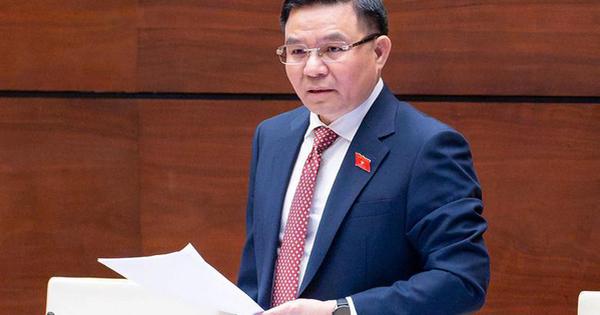
Vietnam's National Assembly is deliberating a revised Petroleum Law that emphasizes increased decentralization and delegation of power, coupled with stringent inspection and supervision measures. Minister of Industry and Trade Le Manh Hung highlighted this as a key spirit of the proposed legislation.
The outstanding spirit of the draft Petroleum Law (amended) is to strengthen decentralization and delegation of power, going hand in hand with inspection and supervision.
During a plenary session on August 8th, National Assembly deputies voiced concerns regarding the substantial authority being transferred to the Vietnam Oil and Gas Group (Petrovietnam). While acknowledging the necessity of decentralization, they stressed the importance of commensurate control mechanisms. Deputy Trinh Xuan An of the Dong Nai delegation supported the delegation of powers but called for a clearer definition of Petrovietnam's capabilities, authority, and functions, particularly its role as the host country representative.
Deputy Le Thi Suu of the Ho Chi Minh City delegation echoed these sentiments, noting that while the bill grants Petrovietnam significant rights and responsibilities in managing oil and gas contracts and operations, including approval and settlement of contractor costs, relying solely on post-audits is insufficient. She proposed that decisions significantly impacting state reserves, investment costs, recoverable expenses, or financial obligations should require prior appraisal and approval from state management agencies, based on criteria set by the government.
The greater the decentralization, the greater the need for commensurate control mechanisms.
Minister Hung explained that the new management model would involve three tiers: the Government and Prime Minister for macro-level decisions, state management agencies like the Ministry of Industry and Trade as focal points, and Petrovietnam. This structure aims to balance delegated authority with effective state control, ensuring the protection of national assets and interests.
It is necessary to clearly distinguish the performance of the host country's rights and obligations from the investment and business activities of the group and its affiliated enterprises.
DistantNews Editorial
Originally published by Thanh Niên in Vietnamese. Translated, summarized, and contextualized by our editorial team with added local perspective. Read our editorial standards.
More Stories

From Our Blog

What Gets Lost (and Found) When News Is Translated

The Critical Role of Diaspora Media in Global News

What Travellers Should Know About Countries with Restricted Press

A Digital Nomad's Guide to Following Local News

How the Same Story Looks Different in Different Countries
