


Americans reflect on national identity, contradictions, and service ahead of 250th birthday
Translated from English, summarized and contextualized by DistantNews.
At a glance
In-depth
Named sources
Context piece
- As the United States approaches its 250th birthday, conversations with Americans reveal a complex national identity marked by founding contradictions and a strong spirit of service.
- Historians note that the nation's founding ideals of equality were established alongside practices like slavery, creating inherent tensions that persist.
- Despite grappling with its past, many Americans express fierce love for their country and a commitment to improving it for future generations through volunteerism and civic engagement.
As the United States prepares to mark its 250th anniversary, a series of conversations with Americans and historians reveal a nuanced understanding of national identity, one deeply rooted in both founding ideals and persistent contradictions. One significant theme emerging is that the nation's inception, while proclaiming "all men" created equal, simultaneously perpetuated slavery and excluded women and Native Americans.
Even those that are very much in favor of ending slavery are not in favor of granting them equal treatment at all. The failure to end slavery means in the end, the Civil War is inevitable.
Historians like Joseph Ellis and Lindsay Chervinsky highlight this inherent tension. Ellis points out that even proponents of ending slavery did not advocate for equal treatment, ultimately making the Civil War inevitable. Chervinsky suggests the founders recognized issues they were "sweeping under the rug," hoping future generations would address them and strive to make the nation more just.
They could not figure out how to solve the issue of slavery. They also knew that there were problems they couldn't possibly foresee because they didn't have the ability to predict the future.
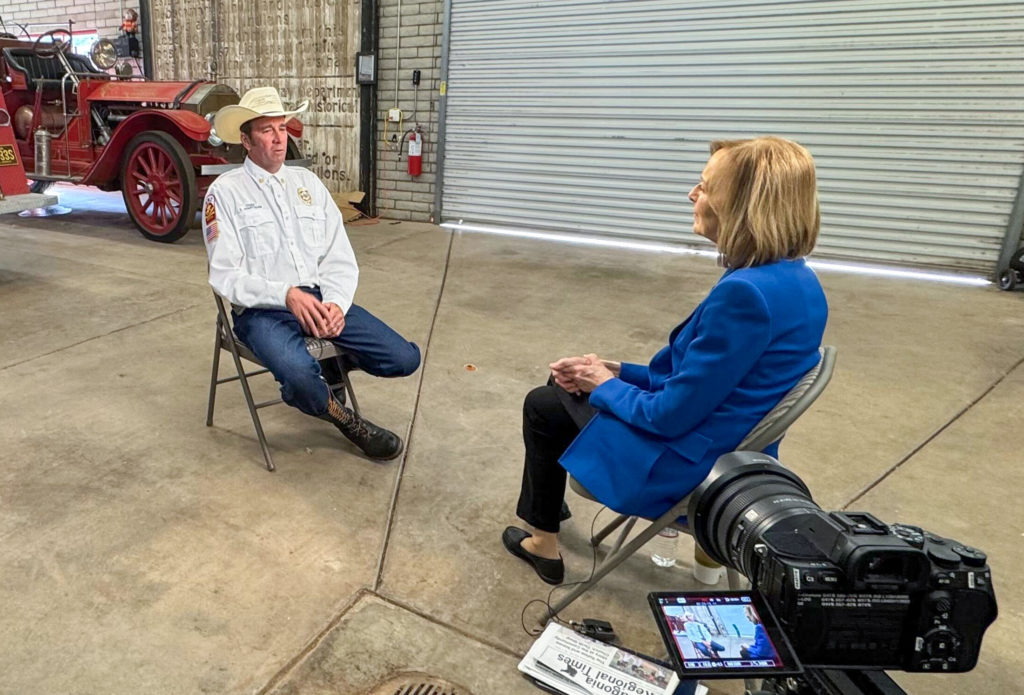
Beyond historical complexities, a powerful thread of American identity is the deep-seated belief in serving others. From volunteer fire departments established by figures like Benjamin Franklin to individuals meticulously locating and marking the graves of Revolutionary War soldiers, the willingness to dedicate time and effort to community and country is evident. Zay Hartigan, chief of a volunteer firehouse in Patagonia, Arizona, encapsulates this spirit, stating, "You find a lot of volunteers, just, they look and they say, 'Someone ought to do that.' And then they say, 'Well, I'm someone, I'm going to do it.'"
You find a lot of volunteers, just, they look and they say, 'Someone ought to do that.' And then they say, 'Well, I'm someone, I'm going to do it.'
Despite ongoing debates and challenges in reconciling the nation's founding principles with its history, the overwhelming sentiment from those interviewed is a fierce love for the country. This affection is coupled with a commitment to continuous improvement, reflecting a hope that each generation will embrace the challenge of making the republic better, ensuring its survival and evolution.
It's permanent record, then forever, that you can look up and see, 'Wait, that's my five-times great-grandfather and I know exactly by GPS where they're buried at.'
DistantNews Editorial
Originally published by PBS NewsHour in English. Translated, summarized, and contextualized by our editorial team with added local perspective. Read our editorial standards.
More Stories


From Our Blog

How the Same Story Looks Different in Different Countries

What Gets Lost (and Found) When News Is Translated

The Critical Role of Diaspora Media in Global News

What Travellers Should Know About Countries with Restricted Press

A Digital Nomad's Guide to Following Local News
