


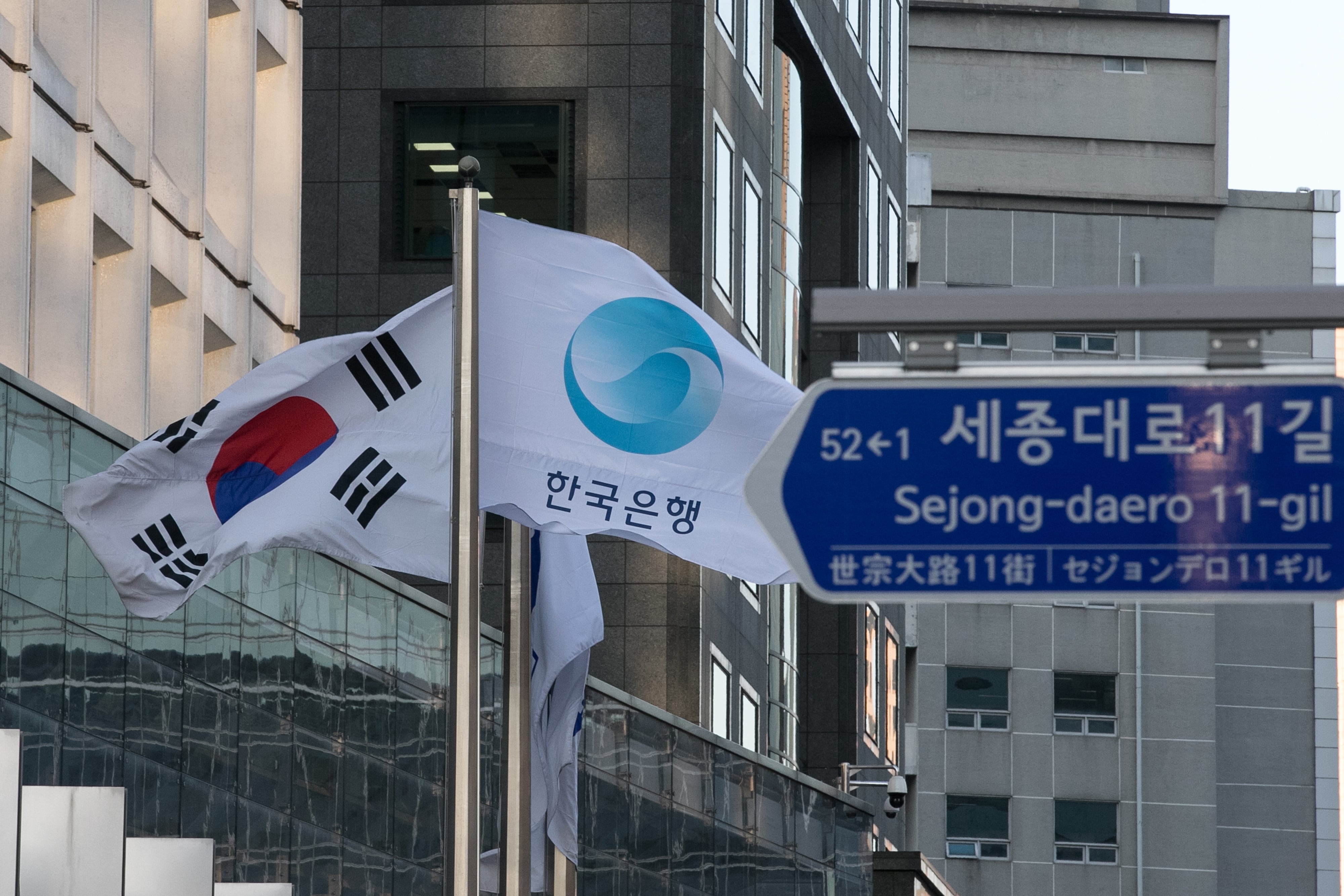
Amid high exchange rates, the Bank of Korea extends interest payments on excess foreign currency deposits for six months
Translated from Korean, summarized and contextualized by DistantNews.
At a glance
News
Sources not specified
New plan
- The Bank of Korea has extended its policy of paying interest on excess foreign currency deposits held by banks by six months.
- This measure is intended to help stabilize the foreign exchange market amid high exchange rates.
- The decision reflects the central bank's efforts to manage currency fluctuations and their impact on the economy.
The Bank of Korea (BOK) has decided to extend its policy of paying interest on excess foreign currency deposits held by financial institutions by an additional six months. This move is a direct response to the persistent high exchange rates, which have been a significant concern for the South Korean economy.
The policy allows banks to deposit excess foreign currency reserves with the central bank and receive interest. By extending this measure, the BOK aims to provide a continued incentive for banks to manage their foreign currency holdings effectively, thereby contributing to the stability of the foreign exchange market. This is particularly crucial in an environment where a strong won can negatively impact the competitiveness of South Korean exports.
High exchange rates can lead to increased import costs and potentially fuel inflation. The central bank's decision underscores its commitment to mitigating these effects and maintaining financial stability. The extension signals that the BOK views the current exchange rate situation as requiring ongoing management and intervention, rather than a short-term anomaly.
DistantNews Editorial
Originally published by Chosun Ilbo in Korean. Translated, summarized, and contextualized by our editorial team with added local perspective. Read our editorial standards.
More Stories



From Our Blog

What Gets Lost (and Found) When News Is Translated

The Critical Role of Diaspora Media in Global News

What Travellers Should Know About Countries with Restricted Press

A Digital Nomad's Guide to Following Local News

How the Same Story Looks Different in Different Countries
