


Amid US-China tensions, US fast-food chains accelerate China market entry
Translated from Korean, summarized and contextualized by DistantNews.
At a glance
News
Sources not specified
Context piece
- Despite ongoing U.S.-China tensions, American fast-food chains are accelerating their expansion into the Chinese market.
- Brands like Five Guys and Wendy's are increasing their presence, seeking to capture a share of China's vast consumer market as the U.S. market becomes saturated.
- This expansion strategy involves adapting to local tastes and operating models, often through franchising, to compete effectively.
American fast-food chains are intensifying their expansion into China, navigating geopolitical tensions with the United States to tap into the world's second-largest consumer market. As the domestic U.S. market reaches saturation, companies are increasingly looking overseas for growth opportunities.
Some small American chains are exploring opportunities to enter the Chinese market to offset the saturation of their home markets.
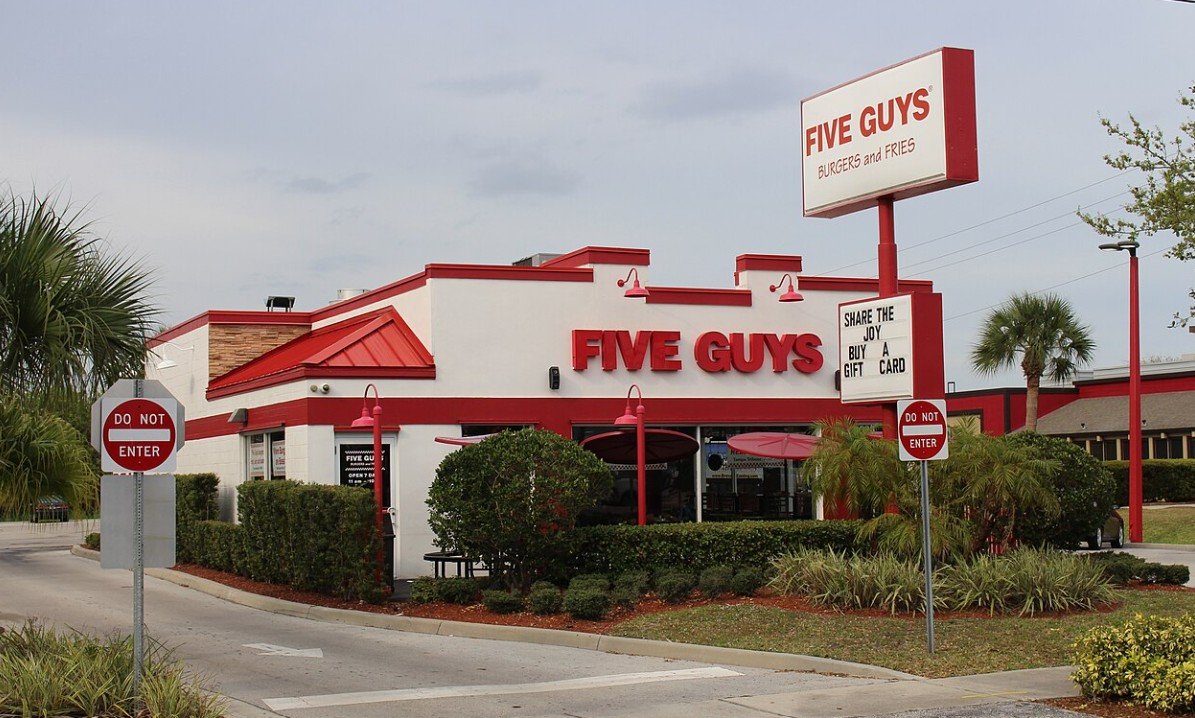
Burger chain Five Guys is set to open its first Beijing locations next month, adding to its presence in Shanghai where it first launched in 2021. The company plans to open three new stores in popular Beijing shopping centers, signaling a significant push into the capital. This move places Five Guys among a growing number of U.S. brands accelerating their Chinese market entry.
Wendy's announced in May plans to open up to 1,000 stores across China over the next decade. The company has entered into franchise agreements with experienced local operators, a strategy that mirrors the approach of established players like McDonald's and Starbucks. These early entrants have developed franchise models to mitigate risk and adapt to local consumer preferences.
Unlike past models where overseas headquarters directly managed operations, many American brands now prefer the franchise model.
Analysts note that while some smaller chains are seeking to offset U.S. market saturation, success in China now requires more than just brand recognition. Chinese consumers are no longer blindly favoring foreign brands. Experts emphasize the need for differentiated products and localized operations to thrive. Other brands like Texas Chicken and Popeyes are also expanding, with Texas Chicken planning at least 600 stores nationwide and Popeyes re-entering Beijing after a 20-year absence.
These chains must grow through differentiated products and localized operations because Chinese consumers no longer blindly prefer foreign brands.
DistantNews Editorial
Originally published by Dong-A Ilbo in Korean. Translated, summarized, and contextualized by our editorial team with added local perspective. Read our editorial standards.
More Stories



From Our Blog

What Gets Lost (and Found) When News Is Translated

The Critical Role of Diaspora Media in Global News

What Travellers Should Know About Countries with Restricted Press

A Digital Nomad's Guide to Following Local News

How the Same Story Looks Different in Different Countries
