

Analysis: Deal is ‘First Step, Not Final Breakthrough’
Translated from English, summarized and contextualized by DistantNews.
At a glance
Analysis
Named sources
Ongoing story
- US and Iranian signals suggest a framework agreement might be signed soon, viewed by Washington policy circles as a preliminary step, not a final resolution.
- Analysts anticipate a preliminary understanding resembling an outline, part of a larger strategic shift in the Middle East and global order.
- The potential agreement, possibly a memorandum of understanding, would establish principles for future negotiations rather than settle core disputes, requiring continued US leverage and European coordination.
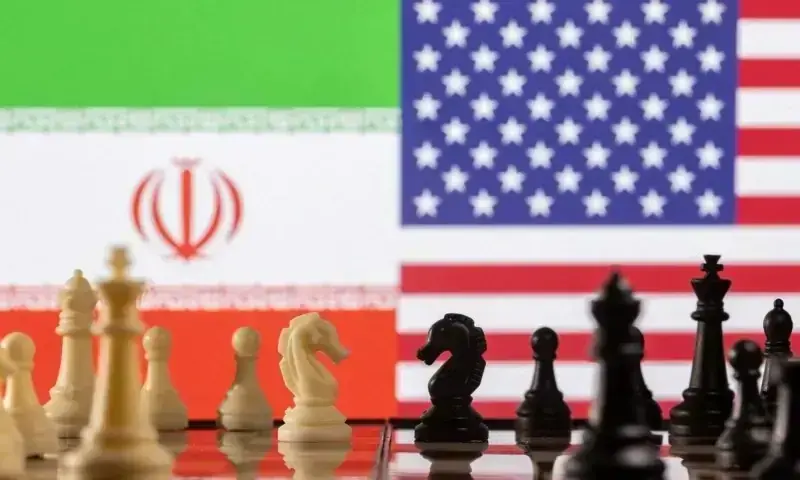
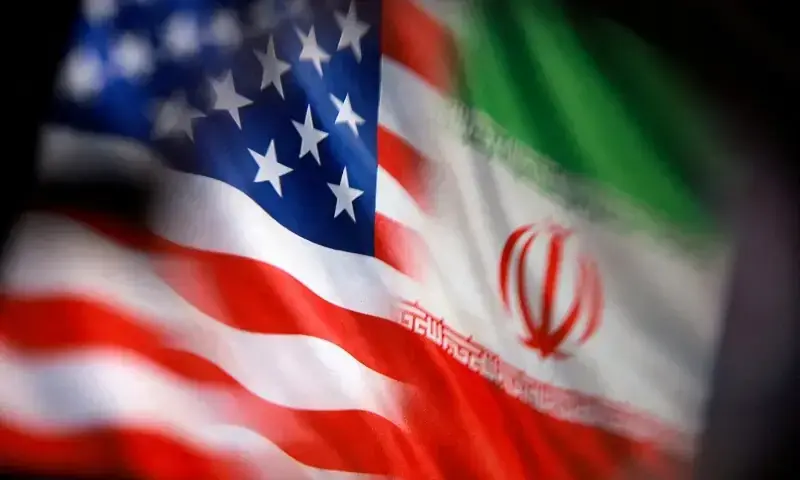
Signals from the United States and Iran indicate that a framework agreement could be signed as early as this weekend. However, Washington policy circles are interpreting this development not as a final breakthrough but as the commencement of a carefully managed and uncertain negotiation process. Analysts at prominent American think tanks, including the Atlantic Council and the Brookings Institution, caution that any preliminary understanding is likely to be an outline agreement rather than a comprehensive settlement.
This emerging understanding is seen as part of a broader strategic realignment that is already reshaping the Middle East and the global order. U.S. President Donald Trump has frequently suggested that a "major understanding" with Iran is imminent, a sentiment echoed by Iranian officials who have also signaled progress toward an interim arrangement. Diplomats involved in the talks describe the anticipated outcome as a memorandum of understanding (MoU) that would lay down principles for further negotiations, rather than resolve the fundamental disputes between the two nations.
Jonathan Panikoff, director of the Scowcroft Middle East Security Initiative at the Atlantic Council, emphasized the preliminary nature of the developing situation. "It's not a deal. It's an MoU. It's a rough outline and high-level explanation of the concepts a deal is supposed to be about," he stated, noting that a 60-day negotiating window would likely follow. Panikoff advocates for Washington to maintain leverage throughout this period, including a continued U.S. military presence in the region as a deterrent. He also stresses the importance of closer coordination with European partners, urging the U.S. to collaborate with France, Germany, and the UK to ensure "a unified policy toward Iran."
It’s not a deal. It’s an MoU. It’s a rough outline and high-level explanation of the concepts a deal is supposed to be about.
Furthermore, Panikoff suggests that any lasting agreement would need to extend beyond nuclear constraints to encompass Iran's missile program and its network of allied groups, alongside broader regional stabilization efforts. Analysts at the Brookings Institution, referencing commentary associated with Robert Kagan, view the unfolding diplomacy against a backdrop of deeper geopolitical strain. They observe that recent conflicts, including those involving major powers, have resulted in indecisive and prolonged engagements, eroding perceptions of both U.S. and Russian strategic effectiveness.
This dynamic, they argue, is contributing to a gradual shift toward a more fragmented international system. In this evolving landscape, traditional power guarantees are weakening, and states are increasingly hedging their security alignments. A separate analysis from Brookings by Kari Heerman and David Wessel highlights how developments in the Strait of Hormuz are influencing perspectives on global trade security, suggesting that access to critical maritime routes is becoming more politically conditioned, allowing states to strategically reward partners.
a unified policy toward Iran
DistantNews Editorial
Originally published by Dawn in English. Translated, summarized, and contextualized by our editorial team with added local perspective. Read our editorial standards.
More Stories
From Our Blog

What Gets Lost (and Found) When News Is Translated

The Critical Role of Diaspora Media in Global News

What Travellers Should Know About Countries with Restricted Press

A Digital Nomad's Guide to Following Local News

How the Same Story Looks Different in Different Countries
