


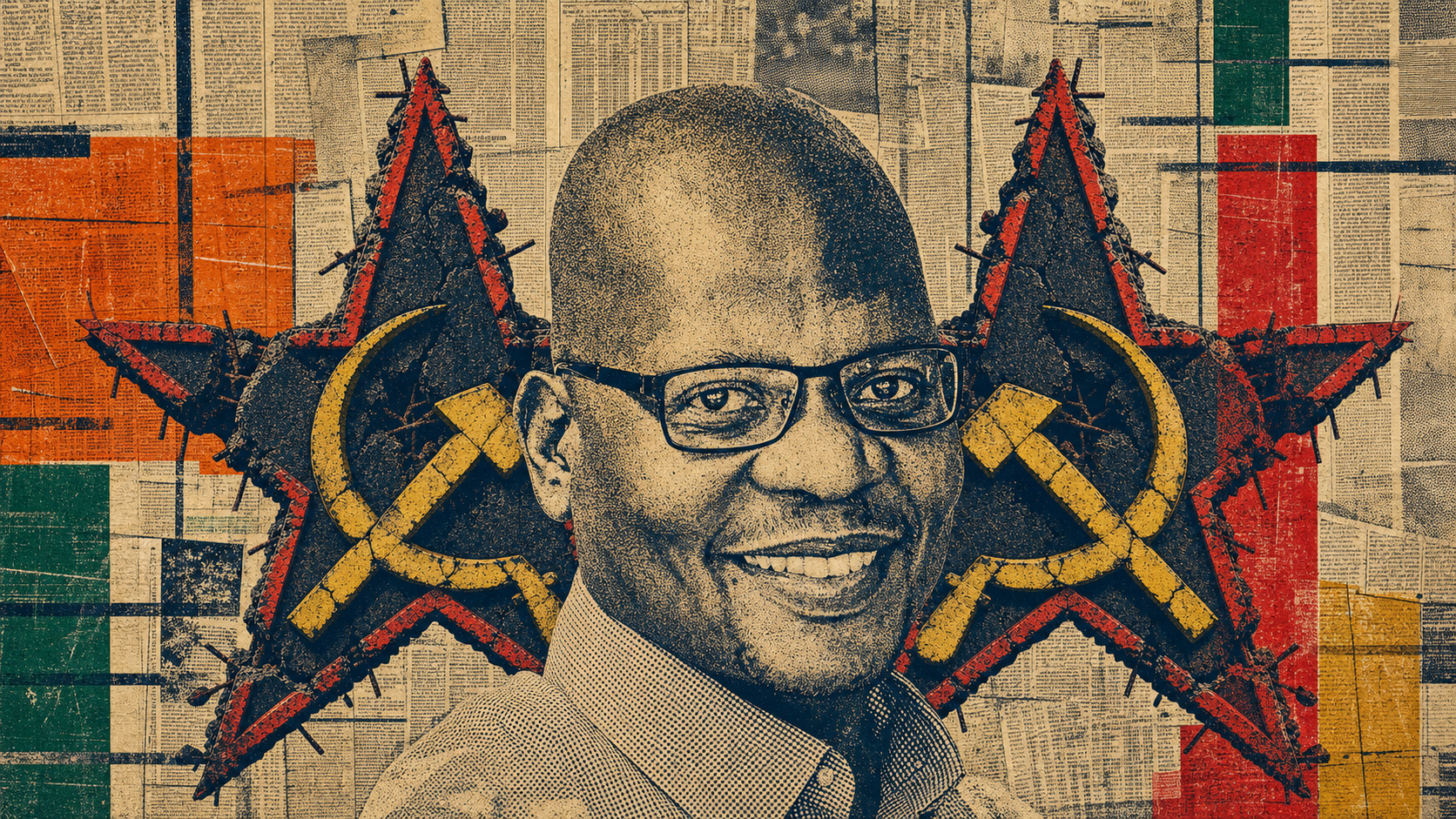

ANALYSIS: If the ANC has given up on Johannesburg, why should business act any differently?
Translated from English and summarized by DistantNews. Read the original for the full story.
At a glance
Analysis
Documents & data
Ongoing story
- Ipsos polling puts the ANC at 31% in Johannesburg, ahead of the DA at 27%, challenging the DA’s claim that it is the city administration in waiting.
- Businesses are weighing whether to move headquarters, delay investment or reduce operations if the elections produce no change.
- The article warns that companies and affluent residents could increasingly retreat into self-contained enclaves, deepening inequality and division.
The latest Ipsos polling has punctured the confident story being told in Johannesburg’s suburbs. The African National Congress stands at 31%, while the Democratic Alliance is on 27%, a result much closer to the 2024 Gauteng election outcome than to the DA’s claim that it is already a government in waiting.
Other polling cited by the article, from the Social Research Foundation and Common Sense, put the DA at 42% and the ANC at 18%. But the Ipsos figures, published after a poll conducted in June and July 2026, offer a sharper warning to businesses that may have absorbed the more optimistic narrative.
The immediate question for boardrooms is what happens if the local government elections produce no change. Some companies may move their headquarters out of Johannesburg, perhaps to Stellenbosch or Cape Town. Others may wait until after the vote before deciding whether to downgrade their operations in the city.
The more damaging decisions, however, may attract less attention. Companies could hold back on further investment, and a lack of visible change could gradually weaken the city’s economic base. Firms that cannot leave Gauteng may instead insulate themselves from municipal failure by moving into office parks and developments such as Waterfall City near Midrand.
Affluent residents are likely to follow a similar path, with more walls, barriers, traffic controls and complexes that provide their own services. The result, the article argues, would be a more unequal and divided Johannesburg. Once businesses take that route, it may also become harder to persuade them that improvement will come after the next election.
About this summary
Originally published by Daily Maverick in English. Translated, summarized, and contextualized automatically by DistantNews, with a note on how the source frames the story. Not individually reviewed before publishing. How this works.
More Stories

From Our Blog

News in Translation: What Gets Lost, and How We Keep the Framing

Diaspora Media: How Communities Follow News From Home

Traveling Where the Press Is Not Free: How to Read the News There

The Digital Nomad's Guide to Local News

The Same Story, Different Countries: How Coverage Changes at the Border
