


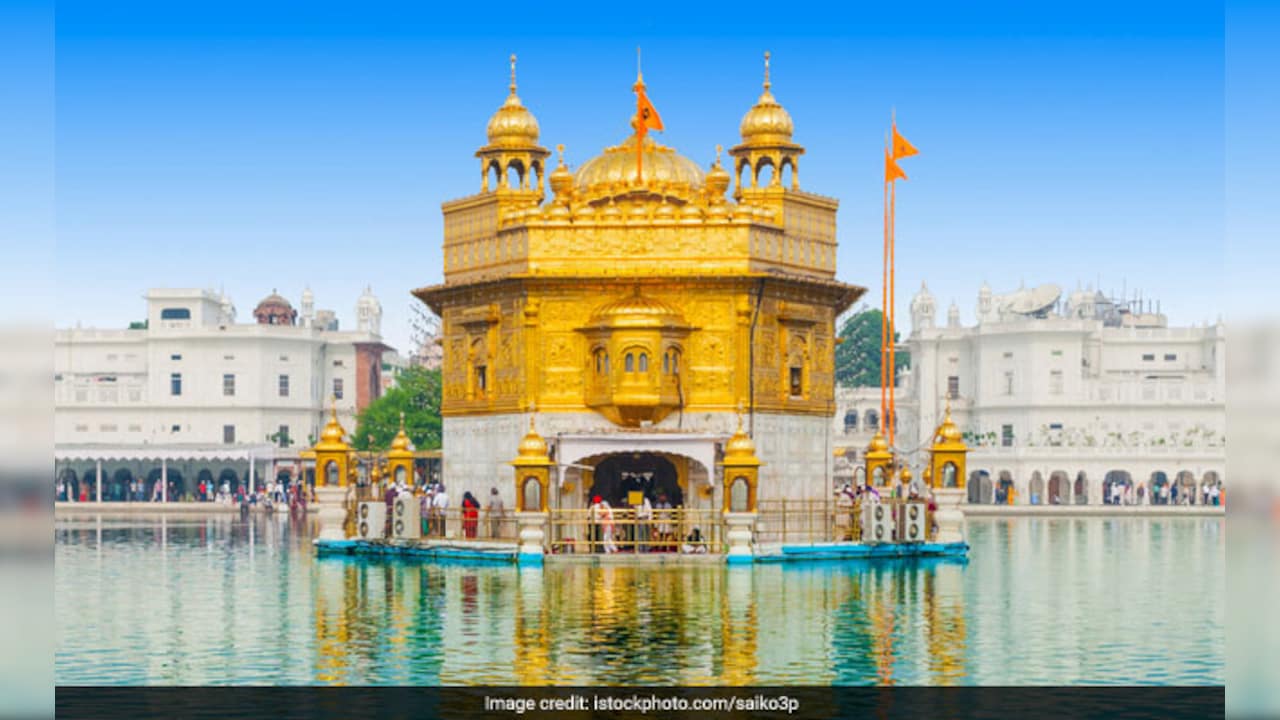
Analysis: Operation Blue Star, An Emotional Memory, Not A Poll Issue
Summarized and contextualized by DistantNews.
At a glance
Analysis
Sources not specified
Context piece
- Recent elections indicate that panthic issues, while resonating with some voters, have not been the primary driver of electoral outcomes.
- The analysis suggests a shift in voter priorities, moving away from religious or identity-based politics as the sole determinant of electoral success.
- This trend implies that broader socio-economic factors and governance issues are increasingly influencing voter decisions.
Recent electoral results suggest that issues of religious or sectarian identity, while still holding sway with a segment of the electorate, are no longer the decisive factor in shaping election outcomes. The analysis points to a nuanced political landscape where these 'panthic' issues, though present, have not emerged as the dominant force determining electoral success.
This trend indicates a potential evolution in voter priorities. While identity politics continues to resonate, its ability to unilaterally dictate electoral results appears to be diminishing. This suggests that voters are increasingly considering a broader spectrum of concerns when casting their ballots.
The findings imply that socio-economic factors, governance, and other mainstream political issues may be gaining prominence. As these elements become more influential, the impact of purely identity-based appeals could be diluted, leading to more complex electoral calculations for political parties.
Ultimately, the analysis suggests that while panthic issues remain a part of the political discourse, their role as the sole or primary determinant of electoral outcomes is waning, pointing towards a more multifaceted approach to understanding voter behavior.
DistantNews Editorial
Originally published by NDTV. Summarized and contextualized by our editorial team with added local perspective. Read our editorial standards.
More Stories


From Our Blog

What Press Freedom Means for the News You Read

What Gets Lost (and Found) When News Is Translated

The Critical Role of Diaspora Media in Global News

What Travellers Should Know About Countries with Restricted Press

A Digital Nomad's Guide to Following Local News
