


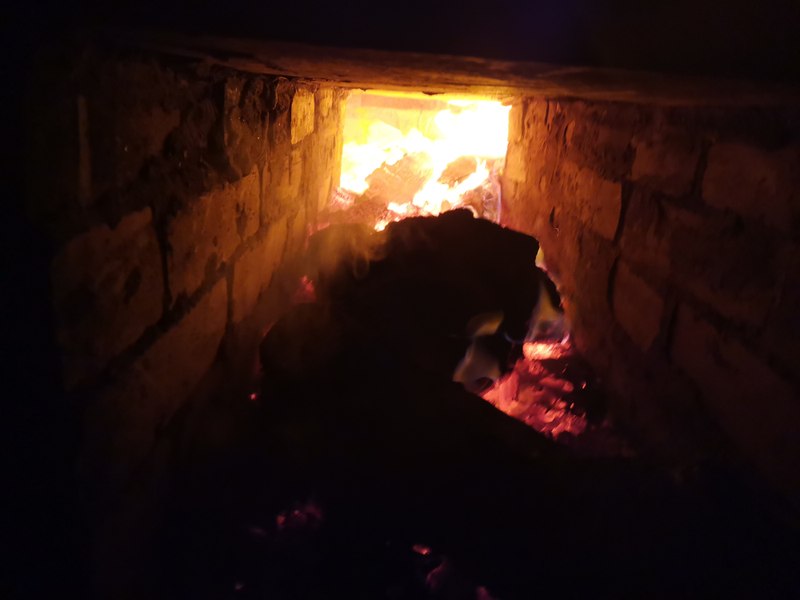
Ancient pottery firing methods demonstrated at Olt County Museum
Translated from Romanian, summarized and contextualized by DistantNews.
At a glance
In-depth
Named sources
Outcome reported
- The Olt County Museum is offering summer workshops where children and adults can learn ancient pottery-making techniques.
- Participants mold clay by hand and then fire the pieces in a replica of an Eneolithic-era kiln.
- The experimental archaeology process aims to recreate and understand how objects were made thousands of years ago.
The Olt County Museum is providing the public with a unique opportunity to step back in time and learn ancient pottery-making methods. These summer workshops offer a hands-on experience, allowing participants to understand the craftsmanship behind the artifacts they admire in museums.
Children, in particular, are drawn to the tactile experience of molding clay with their bare hands. At the "Gunka and Spiru Vergulescu" house, a museum section, participants of all ages can practically learn how ceramic objects were created approximately 7,000 years ago. Archaeologist Lucian Truță guides their curiosity, offering a different kind of history lesson that is both educational and engaging.
Truță explains the essence of experimental archaeology: "It's like reading a book from the end. You see the finished object, the discovered object, and you try to figure out how it was made, going backward, in a way." He conducts annual clay modeling activities, especially during school holidays.
It's like reading a book from the end. You see the finished object, the discovered object, and you try to figure out how it was made, going backward, in a way.
Instead of using a potter's wheel, Truță employs a technique that predates its invention. Once a year, the clay vessels are fired in a kiln built in the courtyard of the "Gunka and Spiru Vergulescu" house in Slatina. This kiln is constructed based on principles from the Eneolithic period. The firing process itself is meticulous, requiring a minimum of eight hours, depending on the type of wood used, and careful temperature control to prevent the vessels from melting or failing to harden properly.
This year's firing event coincided with "The Night of Museums," attracting considerable public interest. The process continued well after visitor hours, emphasizing the controlled and careful nature of replicating ancient techniques. The goal is to transform the molded clay into functional objects, mirroring the practices of ancient civilizations.
If we exceed the temperature - they melt, if it's too little - they don't burn.
DistantNews Editorial
Originally published by Adevărul in Romanian. Translated, summarized, and contextualized by our editorial team with added local perspective. Read our editorial standards.
More Stories


From Our Blog

What Gets Lost (and Found) When News Is Translated

The Critical Role of Diaspora Media in Global News

What Travellers Should Know About Countries with Restricted Press

A Digital Nomad's Guide to Following Local News

How the Same Story Looks Different in Different Countries
