


Ancient tales of stress-induced death find modern medical explanation
Translated from Turkish and summarized by DistantNews. Read the original for the full story.
At a glance
In-depth
Sources not specified
Context piece
- Ancient Greek athletes Diagoras and Pheidippides experienced fatal stress-related events during moments of triumph or exertion.
- Modern medicine identifies Takotsubo syndrome, or "broken heart syndrome," as a physiological response to intense emotional stress.
- This condition, characterized by temporary heart weakening, highlights the tangible link between emotions and physical health.
Ancient tales of athletes succumbing to overwhelming emotion or exertion are finding modern medical explanations. Diagoras of Rhodes, an ancient boxing champion, reportedly died in the stadium after his sons also achieved Olympic victory. Similarly, Pheidippides, the legendary messenger who ran from Marathon to Athens to announce victory, died immediately after delivering his news. These stories, once attributed to "sacred death" or the ultimate price of glory, are now being examined through the lens of modern cardiology.
Scientists have identified Takotsubo syndrome, often called "broken heart syndrome," which can occur after intense stress. This condition temporarily weakens the heart muscle, mimicking a heart attack with symptoms like chest pain and elevated enzymes. However, unlike a typical heart attack, the coronary arteries remain open, yet the heart struggles to function.
The syndrome's name, "takotsubo," refers to a Japanese octopus trap, describing the heart's shape during an attack: a widened lower chamber with a narrow neck. This phenomenon underscores that emotions are not confined to the mind but have profound biological effects, triggering a release of stress hormones like adrenaline.
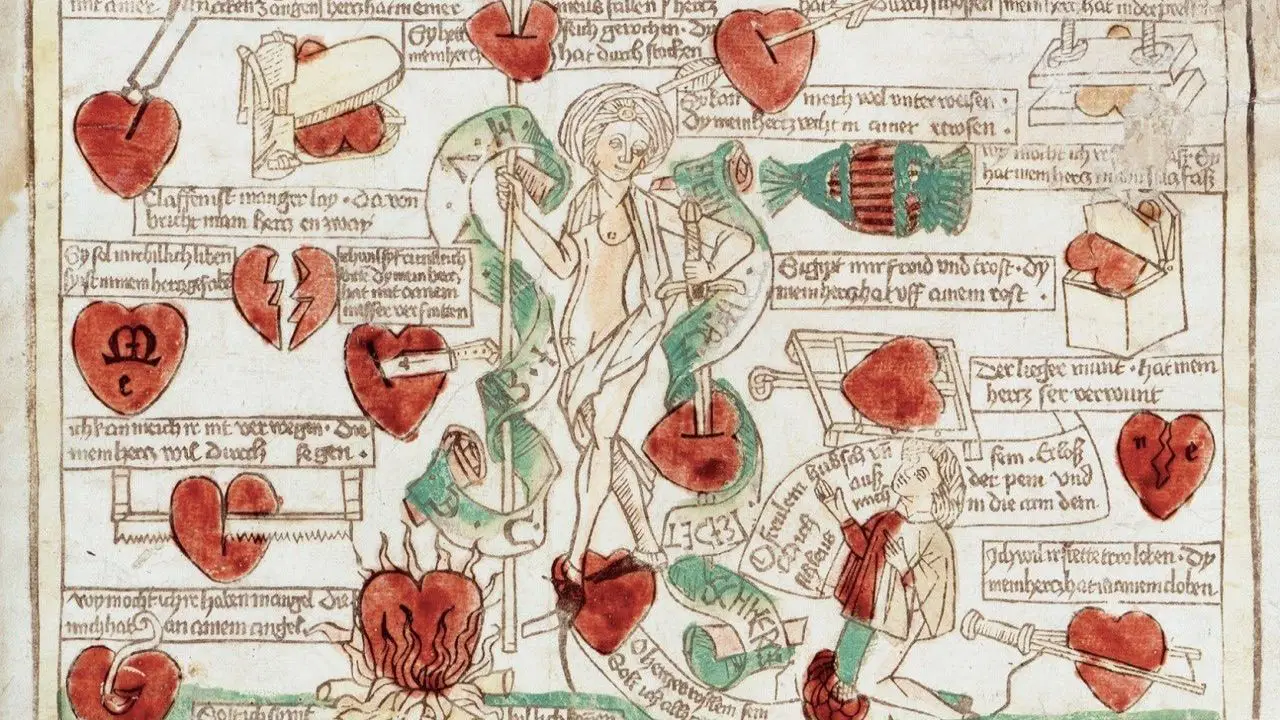
This hormonal surge can create a toxic effect on the heart muscle, leading to temporary incapacitation. While many cases resolve, research indicates a significantly increased risk of death in the first year for those who have lost a spouse, suggesting that "a broken heart" is a measurable physiological reality. The intersection of art and medicine reveals how, for centuries, the heart has been a central metaphor for human experience.
About this summary
Originally published by Cumhuriyet in Turkish. Translated, summarized, and contextualized automatically by DistantNews, with a note on how the source frames the story. Not individually reviewed before publishing. How this works.
More Stories


From Our Blog

What Gets Lost (and Found) When News Is Translated

The Critical Role of Diaspora Media in Global News

What Travellers Should Know About Countries with Restricted Press

A Digital Nomad's Guide to Following Local News

How the Same Story Looks Different in Different Countries
