

André Henning: “I was told it couldn’t work with them”
Translated from German and summarized by DistantNews. Read the original for the full story.
At a glance
Interview
Named sources
Outcome reported
- Germany retained its men’s hockey World Cup title with a 1-0 victory over Spain in the final.
- Coach André Henning said the team celebrated after a demanding tournament, though he left before the festivities ended.
- Henning has also won a European title and Olympic silver with Germany.
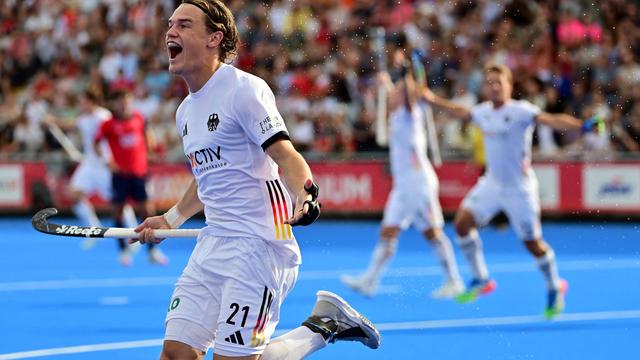
Germany’s hockey players kept celebrating until dawn after defending their World Cup title, while coach André Henning went to bed around 3 a.m. “I can only report on parts of it, because I wasn’t there until the end,” Henning told Die Zeit the day after the final.
Germany beat Spain 1-0 on Sunday to retain the title it won in 2023. Henning said the celebrations began in the dressing room with dancing and singing, but he described the overall mood as one of “blissful calm” after a tournament that had drained the team’s energy.
I can only report on parts of it, because I wasn’t there until the end.
The 42-year-old coach has built a successful career after a cruciate ligament injury forced him to end his playing career early. He has since led Germany to the European title and Olympic silver, in addition to the World Cup victories.
In the interview, Henning also discussed how he became a successful coach and why teams need to pass through a crisis during a tournament. The headline recalls an earlier doubt about whether his group could succeed, set against the team’s latest championship.
German hockey players can indeed celebrate very well, but on Sunday evening and during the night I had more the impression that a blissful calm prevailed.
About this summary
Originally published by Die Zeit in German. Translated, summarized, and contextualized automatically by DistantNews, with a note on how the source frames the story. Not individually reviewed before publishing. How this works.
More Stories


From Our Blog

What Gets Lost (and Found) When News Is Translated

How the Same Story Looks Different in Different Countries

The Critical Role of Diaspora Media in Global News

What Travellers Should Know About Countries with Restricted Press

A Digital Nomad's Guide to Following Local News
