


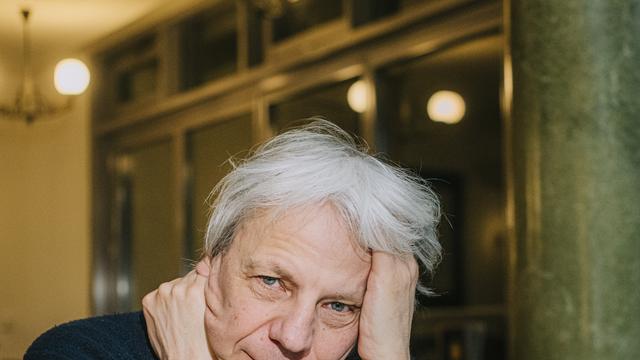
Andreas Dresen: Soviet Film 'Shine, My Star' Triggered My East German Soul
Translated from German, summarized and contextualized by DistantNews.
At a glance
Interview
Named sources
Context piece
- German director Andreas Dresen reflects on the Soviet film "Shine, My Star" as a formative experience from his childhood in East Germany.
- The 1972 film, a poetic comedy, explores the role of art amidst political turmoil.
- Dresen recalls seeing the film as a fairy tale, focusing on a traveling actor trying to engage people with theater during a civil war.
German director Andreas Dresen identifies the 1972 Soviet film "Shine, My Star" as a cinematic experience that has stayed with him since his youth in East Germany. He describes the film as a poetic comedy that delves into the significance of art, particularly theater, even in times of conflict and political instability.
Dresen, who was under ten years old when he first saw the film, viewed it through the lens of a child's imagination, likening it to a fairy tale. The narrative centers on Iskremas, a traveling actor who moves through villages with his wagon, aiming to inspire people to engage with the theater.
Shine, my star, a Soviet film that ran in GDR cinemas in 1972. A poetic comedy about the role of art. I wasn't even ten and probably saw it more like a fairy tale.
The film's backdrop is a civil war, where the villages Iskremas visits are subjected to occupation and rule by various external powers. Despite this volatile environment, Iskremas persistently attempts to use the means of theater to respond to and reflect the prevailing circumstances, highlighting the enduring power and relevance of artistic expression.
Iskremas, a traveling actor, moves through the country with his wagon and wants to inspire people for the theater. The civil war is raging, and his audiences in the villages are constantly occupied and ruled by other powers. And he always tries to react to it with the means of theater.
DistantNews Editorial
Originally published by Die Zeit in German. Translated, summarized, and contextualized by our editorial team with added local perspective. Read our editorial standards.
More Stories



From Our Blog

What Gets Lost (and Found) When News Is Translated

How the Same Story Looks Different in Different Countries

The Critical Role of Diaspora Media in Global News

What Travellers Should Know About Countries with Restricted Press

A Digital Nomad's Guide to Following Local News
