

Anglers, researchers race to document East Coast fish species ahead of Long Island works
Summarized and contextualized by DistantNews.
At a glance
News
Sources not specified
Context piece
- Anglers and researchers in Singapore are racing to document fish species near Bedok Jetty before coastal protection works begin.
- Preparatory work for the Long Island project is set to start by the end of 2026, potentially altering the marine environment.
- One angler has helped identify at least 15 new fish species for Singapore's biodiversity records, seven of which were found at Bedok Jetty.
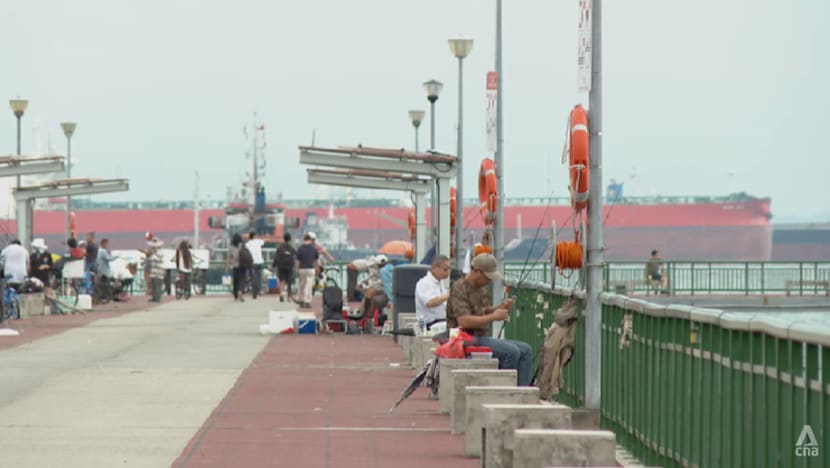
As Singapore prepares to begin preparatory works for its ambitious Long Island coastal protection project, a group of fishing enthusiasts is engaged in a race against time to document the marine life that inhabits the waters near Bedok Jetty.
The project, designed to safeguard against rising sea levels, is slated to commence in the waters west of the popular fishing spot by the end of 2026. This impending change has spurred anglers like Lin Jiayuan, a bioengineering undergraduate, to focus on recording species that might become less accessible or disappear.
definitely a sense of urgency
Mr. Lin, who visits the jetty at least twice a month, dedicates his time to finding and documenting rarely recorded fish. He collaborates with researchers at the Lee Kong Chian Natural History Museum (LKCNHM) at the National University of Singapore, contributing to the nation's biodiversity records. Over the years, he has helped identify at least 15 fish species new to Singapore, with seven of those found at Bedok Jetty.
This is probably the easiest place you can catch them in Singapore. Not saying they are common – they are very rare.
He expressed a "definite sense of urgency" as the preparatory works loom, noting that many species in the area inhabit murky waters, making them difficult to spot. Mr. Lin hopes to document rare species like the demon stinger, a relative of the stonefish. Even after the construction begins, he plans to continue observing the changes in the area.
Dr. Tan Heok Hui, a senior collection manager at LKCNHM, highlighted that documenting Singapore's biodiversity is an ongoing process. The museum currently records between 700 to 800 fish species across the country's habitats. "With proper documentation, you only realise what you've lost or what you may lose," he stated, underscoring the importance of the anglers' efforts.
With proper documentation, you only realise what you've lost or what you may lose.
DistantNews Editorial
Originally published by CNA. Summarized and contextualized by our editorial team with added local perspective. Read our editorial standards.
More Stories


From Our Blog

What Gets Lost (and Found) When News Is Translated

The Critical Role of Diaspora Media in Global News

What Travellers Should Know About Countries with Restricted Press

A Digital Nomad's Guide to Following Local News

How the Same Story Looks Different in Different Countries
