


Animal Behavior May Change During Upcoming Solar Eclipse
Translated from Danish, summarized and contextualized by DistantNews.
At a glance
News
Named sources
Context piece
- Animals react to celestial events like solar eclipses, with light serving as a crucial signal for their activity cycles.
- During a solar eclipse, birds might stop singing, bats could emerge, and ducks may seek water, while mosquitoes might become active earlier than usual.
- The partial solar eclipse on Wednesday is expected to be visible around 7:10 PM to 9:00 PM.
Animals are also sensitive to celestial phenomena, including solar eclipses, as light plays a significant role in regulating their daily activity patterns. The upcoming partial solar eclipse is expected to cause noticeable reactions in various species.
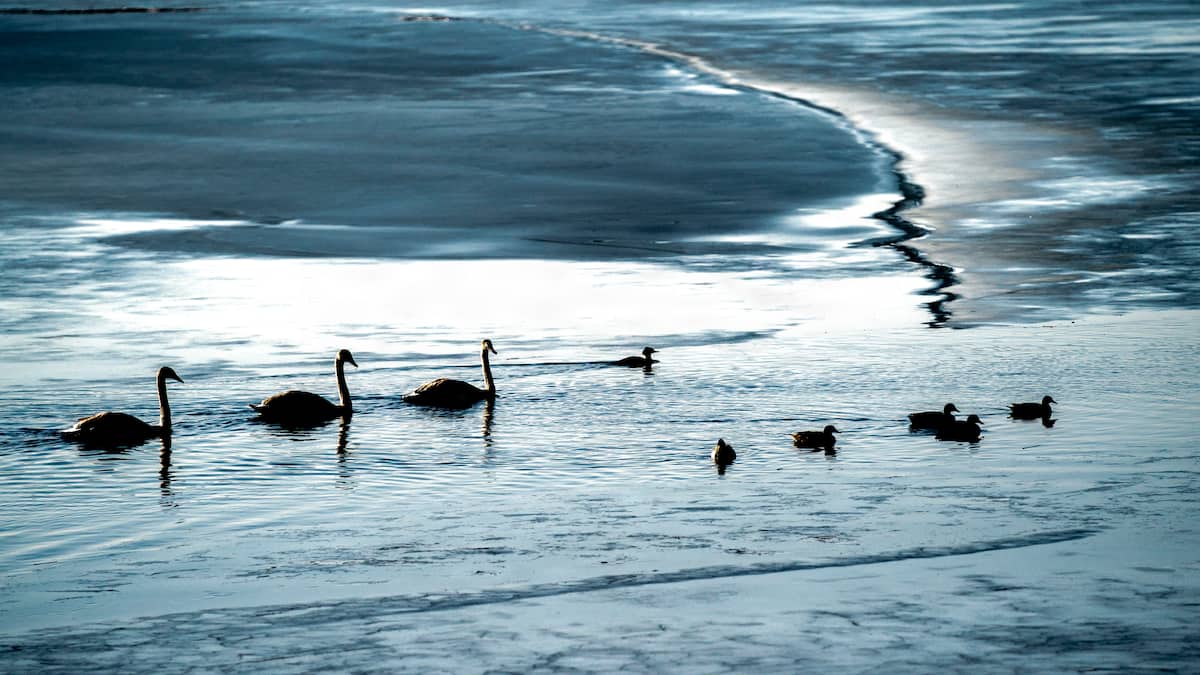
For many species, the impact of a solar eclipse is temporary and leaves no lasting consequences. However, the change in light conditions can trigger immediate behavioral responses. Songbirds might cease their singing, bats could leave their roosts, and ducks might head towards the center of a lake as they perceive the dimming light as the onset of evening.
Mosquitoes, however, might be the most disoriented creatures. Simon Bruslund, head of global development at the Zoological Garden, explained that when the light disappears, mosquitoes may interpret it as evening and begin hunting earlier than normal. Once active, they often continue their activity even after the light returns.
The partial solar eclipse is anticipated to be observable on Wednesday, with the phenomenon occurring between approximately 7:10 PM and 9:00 PM.
DistantNews Editorial
Originally published by DR Nyheder in Danish. Translated, summarized, and contextualized by our editorial team with added local perspective. Read our editorial standards.
More Stories


From Our Blog

What Gets Lost (and Found) When News Is Translated

The Critical Role of Diaspora Media in Global News

What Travellers Should Know About Countries with Restricted Press

A Digital Nomad's Guide to Following Local News

How the Same Story Looks Different in Different Countries
