



Apartment Rentals Plummet in South Korea Amid Rising Demand for Alternatives
Translated from Korean, summarized and contextualized by DistantNews.
At a glance
News
Named sources
Context piece
- Apartment rental transactions nationwide decreased by 7.2% in the first five months of the year compared to the previous year.
- Non-apartment rentals, such as villas and detached houses, saw a 11.5% increase during the same period.
- Experts attribute the decline in apartment rentals to a shortage of available units and rising prices, potentially signaling a shift away from apartments.
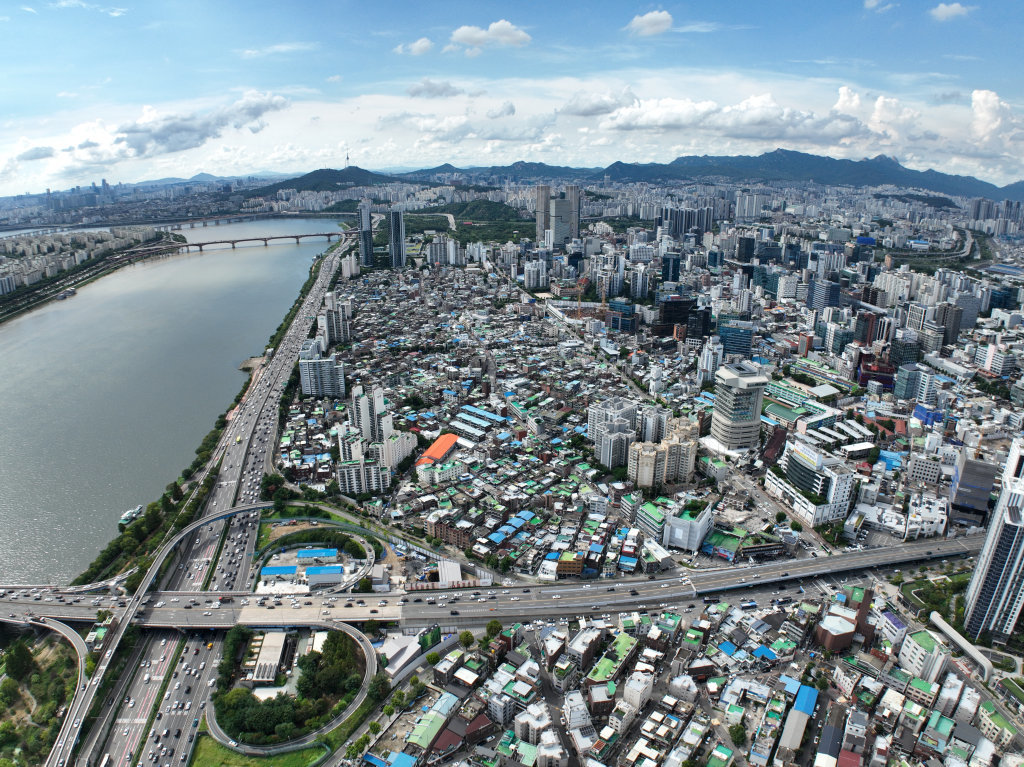
The South Korean rental market is showing a significant shift, with apartment rental transactions declining notably while demand for non-apartment dwellings like villas and detached houses surges. From January to May this year, nationwide apartment rental transactions fell by 7.2% compared to the same period last year. In contrast, non-apartment rentals experienced a substantial 11.5% increase, according to data from the Ministry of Land, Infrastructure, and Transport.
This trend is particularly pronounced in Seoul, where apartment rental transactions decreased by 6.5%. However, non-apartment rentals in the capital city rose by 6.3%. The disparity is even more striking outside the Seoul metropolitan area, with apartment rentals dropping 7.4% while non-apartment rentals climbed 19.1%. The overall national rental market saw a modest 2.6% increase in transactions, but this was driven entirely by the growth in non-apartment rentals.
Experts point to a scarcity of available apartment rental units as a primary driver of this trend. A decrease in newly built apartments entering the market, coupled with regulations restricting new rental listings, has tightened supply. Furthermore, rising deposit requirements and increased difficulty in securing rental loans are pushing tenants to explore alternative housing options. This situation, occurring despite a previous reluctance to rent non-apartments due to "jeonse fraud" concerns, suggests a growing "de-apartment" movement among renters priced out or unable to find suitable apartment listings.
Park Won-gap, a senior real estate expert at KB Kookmin Bank, noted that the combination of rising rents, limited availability, and tighter loan conditions is causing a spatial migration back to the villa market, which had previously been avoided. This dynamic could signal a broader change in housing preferences and affordability challenges within South Korea's urban centers.
Rents are rising, there are few properties available, and loans are difficult to obtain, so there is a spatial migration back to the villa market, which was once shunned due to the jeonse fraud issue.
DistantNews Editorial
Originally published by Hankyoreh in Korean. Translated, summarized, and contextualized by our editorial team with added local perspective. Read our editorial standards.
More Stories


From Our Blog

What Gets Lost (and Found) When News Is Translated

The Critical Role of Diaspora Media in Global News

What Travellers Should Know About Countries with Restricted Press

A Digital Nomad's Guide to Following Local News

How the Same Story Looks Different in Different Countries
